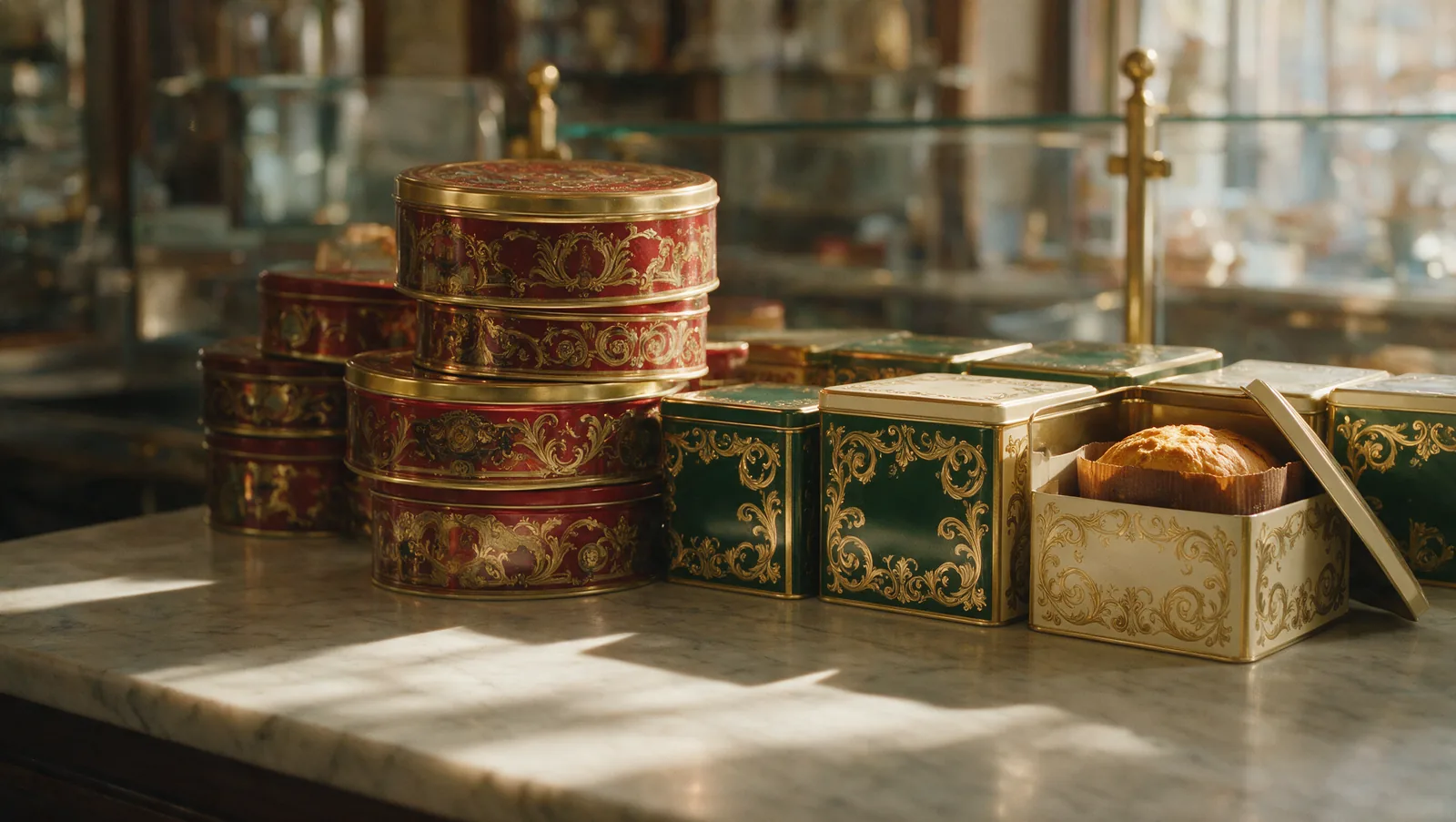
بستهبندی شکلات در قوطی فلزی: راهنمای هدیهدهی لوکس
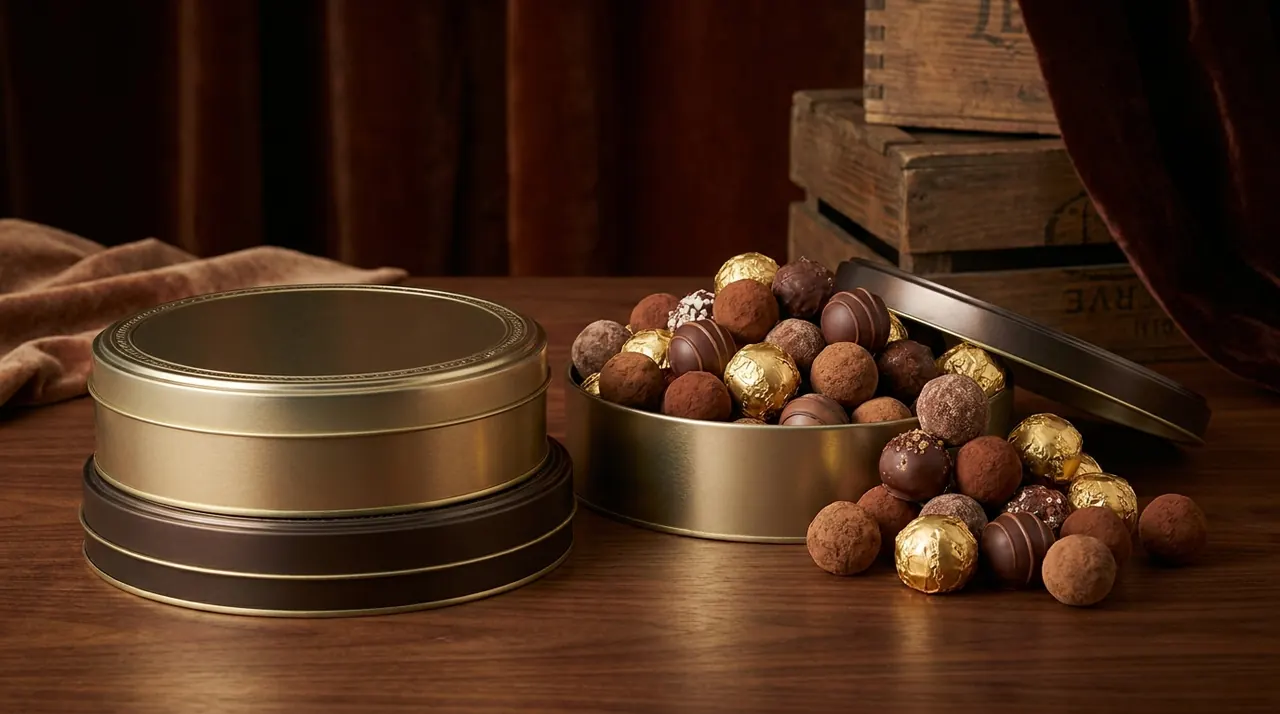
شکلات و شیرینی به همان اندازه که به خاطر طعم خریداری میشوند، به خاطر لحظه هدیهدادن نیز خریده میشوند. همین موضوع بستهبندی را به بخشی از هدیه تبدیل میکند، نه صرفاً ظرفی برای آن. قوطی فلزی خوشساخت، یک بسته شکلات را به چیزی تبدیل میکند که گیرنده آن را نگه میدارد و این راهنما توضیح میدهد که فلز چگونه هدیهدهی در صنعت شیرینی و شکلات را ارتقا میدهد، چرا برجستهکاری و نسخههای فصلی اینقدر خوب جواب میدهند و برای تماس مستقیم با مواد غذایی چه چیزی باید برای داخل قوطی تعیین شود.
چرا فلز، هدیهدادن شکلات را ارتقا میدهد
هدیهدادن یک قوطی فلزی شکلات حسی متفاوت از هدیهدادن یک جعبه مقوایی دارد. فلز وزن دارد، لمسی خنک دارد و پرداختی دارد که سنجیده و لوکس خوانده میشود و همین نشانهها ارزش ادراکشده شکلات را حتی پیش از برداشتن درب بالا میبرند. سه ویژگی این اثر را میسازند:
- حضور: قوطی فلزی صلب و سنگین، کیفیت و مناسبت را نشان میدهد و این دقیقاً همان پیامی است که یک هدیه باید منتقل کند.
- محافظت: فلز مات و مستحکم است؛ شکلات را از نور در امان نگه میدارد و از لهشدن پرالینها و ترافلهای ظریف در حملونقل جلوگیری میکند.
- ارزش یادگاری: بیشتر قوطیهای فلزی تزئینی نگه داشته میشوند و برای نگهداری اشیا دوباره به کار میروند؛ بنابراین برند مدتها پس از تمامشدن شکلات در خانه گیرنده باقی میماند.
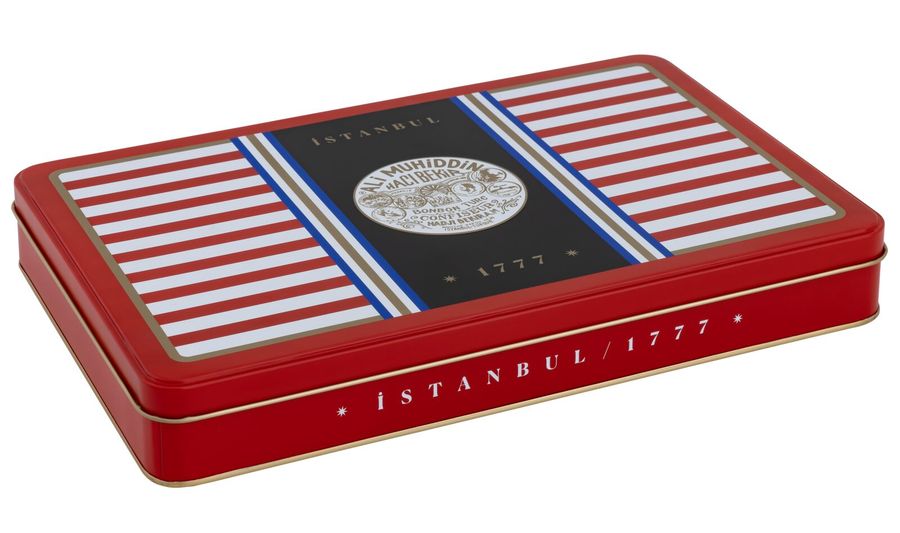
اینها دلایلی است که برندهای لوکس شیرینی و شکلات برای خطوط شاخص خود به فلز تکیه میکنند. برای دیدن گستره فرمها در این دسته، صفحه قوطی هدیه فلزی نقطه شروع خوبی است و مجموعه بستهبندی شکلات نشان میدهد که این شکلها در هدیههای فصلی و روزمره چگونه به کار میروند.
نسخههای فصلی و محدود
فروش شکلات موجی است – کریسمس، ماه رمضان و عید، روز ولنتاین، روز مادر، عروسیها و هدایای سازمانی همگی حجم هدیهای را بالا میبرند. قوطی فلزی برای این اوجها بهطور ایدهآل مناسب است، زیرا طرح چاپی میتواند از فصلی به فصل دیگر تغییر کند در حالی که شکل زیربنایی ثابت میماند. این موضوع دو فایده عملی دارد:
- هزینه قالب کمتر: استفاده مجدد از یک شکل قوطی در نسخههای گوناگون یعنی برای هر طرح به قالب جدید نیاز نیست و تنها طرح چاپی تازه لازم است.
- قابلیت مجموعهسازی: شکلی شناختهشده با طرح فصلی تازه، مشتریان را به کاملکردن مجموعه ترغیب میکند و همین، خرید دوباره را سال به سال پشتیبانی میکند.
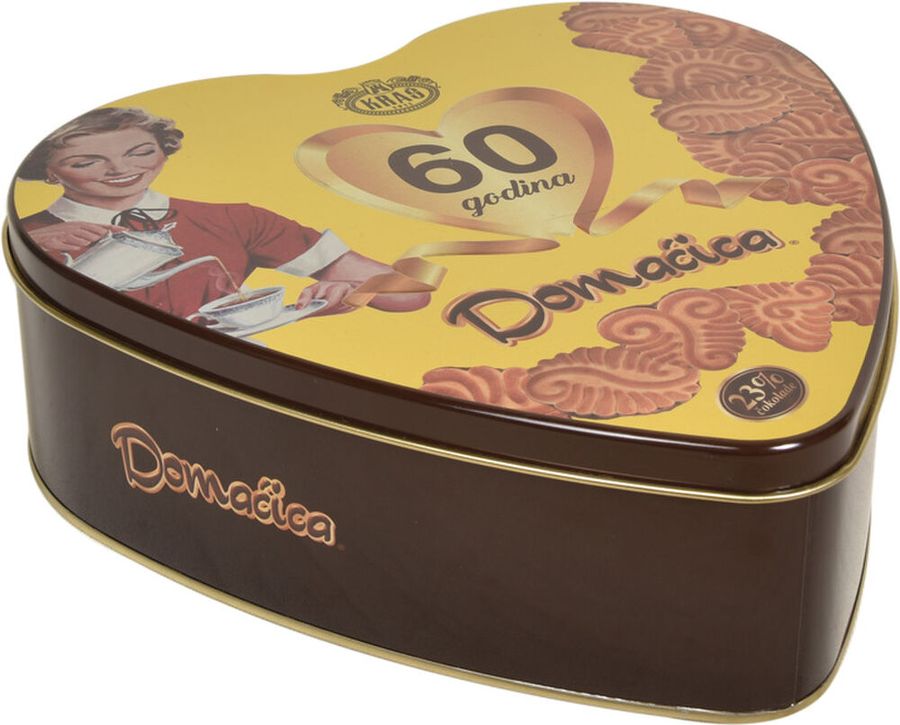
یک قوطی فلزی با شکل خاص یا ویژه – قلب، کتاب، درب قوسدار (Domed) – میتواند به امضای یک خط محصول تبدیل شود و آن را در قفسه شلوغ هدیه متمایز کند.
برجستهکاری و پرداختها برای حس لوکس
فلز از جلوههای تزئینیای پشتیبانی میکند که کاغذ و پلاستیک بهسادگی از عهده آن برنمیآیند و در هدیهدهی، همین جزئیات بخش بزرگی از کار را انجام میدهند. برجستهکاری بخشی از طرح را بالا میآورد تا نور را بگیرد و لمس را پاداش دهد و به یک نشان، لوگو یا حاشیه، کیفیتی ملموس و دستساز میبخشد. نقش فرورفته (Debossing) طرح را به داخل فشار میدهد و ظاهری ظریفتر و حکاکیشده پدید میآورد. اگر اینها را با ورنی و مرکب مناسب لایهلایه کنار هم بگذارید، قوطی فلزی حسی بهراستی مجلل پیدا میکند:
- برجستهکاری و نقش فرورفته برای لوگو، حاشیه و نقشهای برجسته یا فرورفته که با دست حس میشوند.
- ورنی مات برای پرداختی نرم و امروزی، یا ورنی براق برای ظاهری غنی و جشنگونه.
- مرکبهای متالیک و سطوحی که میگذارند فولاد براق از زیر طرح دیده شود تا نقاط درخشان و تأکیدهایی شبیه فویل پدید آید.
درب قوسدار (Domed) یا درب با پنجره برشخورده (Window) نشانه لوکس دیگری اضافه میکند؛ یکی طرح را برجسته نگه میدارد و دیگری شکلاتهای داخل را نمایان میکند. صفحه قوطی فلزی برجسته نشان میدهد که این پرداختهای لمسی روی فلز چگونه کنار هم مینشینند.
داخل قوطی و لاک گرید غذایی
شکلات مادهای چرب است و چربی میتواند به سطحی نامناسب مهاجرت کند؛ بنابراین داخل قوطی به همان اندازه تزئینات بیرونی اهمیت دارد. قوطیهای فلزی شیرینی و شکلات لاک داخلی گرید غذایی دارند که سدی خنثی میان فلز و شکلات پدید میآورد و بهطور مشخص برای شکلات، این لاک باید از نوعی باشد که در برابر مهاجرت روغن مقاوم است. این رویه، رویه استاندارد بستهبندیهای در تماس مستقیم با ماده غذایی است و ارزش دارد آن را با هر تأمینکنندهای تأیید کنید. بهعنوان زمینه کلی صنعت، مواد در تماس با غذا تابع چارچوبهایی مانند مقررات (EC) 1935/2004 اتحادیه اروپا هستند و پوششها به سمت فرمولاسیونهای BPA-NI حرکت کردهاند، چرا که استفاده از BPA در تماس با مواد غذایی محدود شده است. بسیاری از شکلاتهای بستهبندیشده نیز داخل قوطی روی یک سینی داخلی پلاستیکی یا کاغذی مینشینند که جای هر تکه را تعیین میکند و لایهای دیگر میان شکلات و فلز میافزاید.
تناسب قوطی با ترکیب شکلاتها
اندازه قوطی فلزی شکلات باید بر پایه تعداد تکهها و شیوه ارائه ترکیب انتخاب شود، نه آنکه نخست قوطی انتخاب و سپس پر شود. از اینجا آغاز کنید که هدیه چند تکه دارد و آنها چگونه چیده میشوند، سپس سطح و عمقی را انتخاب کنید که تکهها را محکم در جای خود نگه دارد.
- ترکیبهای تخت و تکلایه با حدود دوازده تکه، با قوطی کمعمق و پهن سازگارند؛ قوطیای که با برداشتن درب، تمام مجموعه را نشان میدهد.
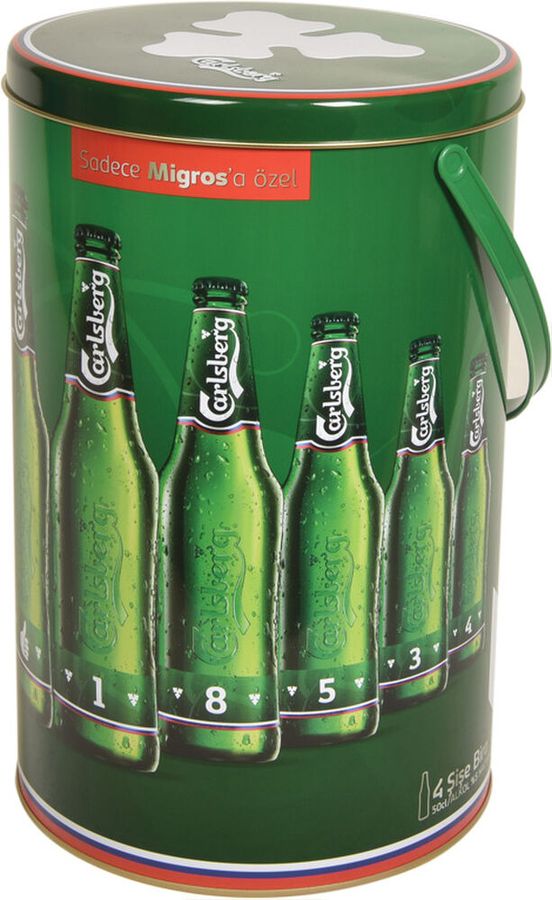
- مجموعههای بزرگتر در قوطی عمیقتر با سینی داخلی جاسازیشده بهتر جواب میدهند، یا در دو لایه روی هم با جداکنندهای میان آنها.
- شیرینیها و پرالینهای تکبسته میتوانند بهصورت آزاد در قوطیِ پر جابهجا شوند؛ جایی که دربی که کاملاً در جای خود مینشیند و بستهای تقریباً پر، از جابهجا شدن آنها در حملونقل جلوگیری میکند.
فرمهای گرد، چهارگوش و مستطیلی هر یک ترکیب محصول را به شکلی متفاوت ارائه میکنند، بنابراین ارزش دارد چیدمان را زود تعیین کنید. درست انجامدادن این کار تکهها را سالم نگه میدارد، از ظاهر نیمهخالی یک قوطی بیشازاندازه بزرگ جلوگیری میکند و لحظه بازکردن را سنجیده جلوه میدهد.
نکتههای عملی برای یک خط محصول شکلات
- سینی داخلی و قوطی را با هم طراحی کنید تا پرالینها محکم بنشینند و در حملونقل تکان نخورند.
- در یک خانواده هدیه، شکل را ثابت نگه دارید و بگذارید رنگ و پرداخت، هر طعم یا فصل را نشان دهد.
- برجستهکاری را برای عناصری نگه دارید که بیشترین بهره را از لمس میبرند – یک لوگو، یک نشان یا یک حاشیه.
- تأیید کنید که لاک داخلی برای مواد غذایی چرب مناسب است و برای ترکیبهای ظریف، سینی داخلی اضافه کنید.
برنامهریزی نخستین نسخه
قوطیهای فلزی با چاپ افست سفارشی به قالب یکباره و یک حداقل تیراژ نیاز دارند که معمولاً حدود 5,000–25,000 عدد به ازای هر طرح و هر اندازه است. از آنجا که نسخههای فصلی از همان شکل استفاده میکنند، هزینه قالب در طول زمان میان طرحهای متعدد پخش میشود و همین، یک برنامه هدیهدهی مستمر را مقرونبهصرفه میکند. انتخاب یک شکل موجود، نیاز به قالب جدید را بهکلی از میان برمیدارد و میتواند حداقل تیراژ مؤثر را برای نخستین نسخه پایین بیاورد. هنگامی که آماده تعیین مشخصات قوطی، سینی داخلی و پرداخت بودید، میتوانید استعلام قیمت بگیرید تا ساختاری با لاک داخلی گرید غذایی و یک نمونه رایگان برای تأیید ظاهر و حس محصول به شما پیشنهاد کنیم. این نمونه، قوطیای است که پیشتر تولید کردهایم، نه قوطیای چاپشده با طرح شما: قوطی رایگان است و هزینه ارسال بر عهده شماست.
بستهبندی فلزی سفارشی
سریهای آماده قوطی فلزی
صنایع مرتبط
قوطیهای متناسب
قوطی خاصی در ذهن دارید؟
شکل، اندازه و طرح خود را به ما بگویید. استعلام قیمت و یک نمونه رایگان میفرستیم و ظرف چند ساعت پاسخ میدهیم.
استعلام قیمت