
Ist Metallverpackung lebensmittelecht? Der Leitfaden
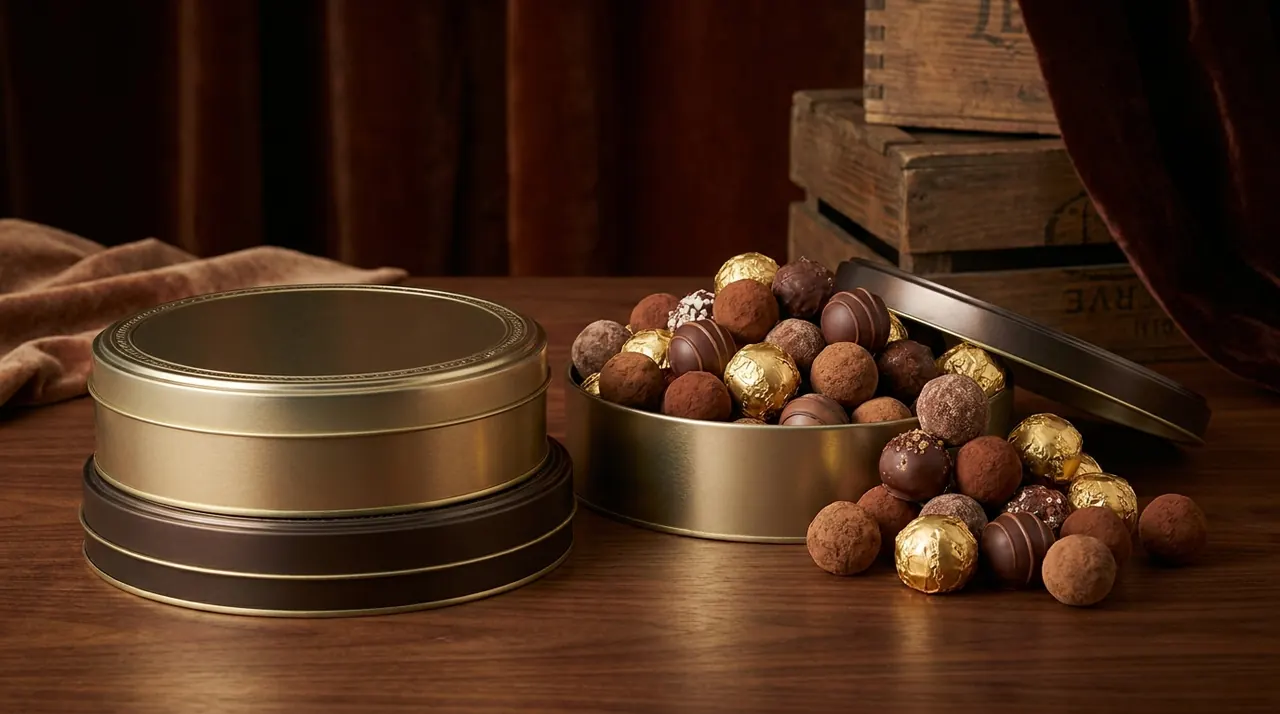
Ist Metallverpackung lebensmittelecht? Die kurze Antwort lautet ja, sofern sie korrekt spezifiziert ist. Eine Dekordose ist nicht einfach blankes Metall, das Ihr Produkt berührt: Die Fläche, die mit dem Lebensmittel in Kontakt kommt, ist mit einem lebensmittelechten Lack beschichtet, der eine inerte Barriere zwischen Metall und Inhalt bildet.
Dieser Leitfaden erklärt, wie das funktioniert, welche Beschichtung zu welchen Lebensmitteln passt und welche Angaben Sie einem Hersteller machen sollten, damit von Anfang an die richtige Innenlackierung gewählt wird. Er richtet sich an Einkäufer, die lebensmittelechte Weißblechverpackungen für Schokolade, Tee, Kaffee, Gebäck und Süßwaren spezifizieren.
Die kurze Antwort und der entscheidende Vorbehalt
Weißblech ist Stahl mit einer dünnen Zinnauflage. Es ist robust, recycelbar und eine hervorragende Barriere gegen Licht, Luft und Feuchtigkeit. Unbeschichtetes, blankes Metall kann jedoch mit bestimmten Lebensmitteln reagieren, insbesondere mit sauren, salzigen, öligen oder feuchten. Diese Reaktion kann Geschmack und Aussehen über eine lange Haltbarkeitsdauer beeinträchtigen.
Die Lösung ist eine lebensmittelechte Innenbeschichtung. Wenn der richtige Lack aufgetragen und auf das Produkt abgestimmt ist, ist Metall ein sicheres, stabiles und seit Langem bewährtes Verpackungsmaterial für Lebensmittel. Der Vorbehalt besteht schlicht darin, dass die Innenspezifikation zum Füllgut passen muss.
Was der lebensmittelechte Innenlack tatsächlich leistet
Ein lebensmittelechter Lack ist eine dünne Beschichtung, die vor dem Umformen und Montieren auf die Doseninnenseite aufgebracht wird. Nach der Aushärtung erfüllt sie zwei Aufgaben:
- Sie trennt das Lebensmittel vom Metall, sodass kein direkter Kontakt zwischen beiden besteht.
- Sie widersteht der spezifischen Belastung durch das Produkt, sei es Öl, Feuchtigkeit, Salz oder Säure.
Ein zentraler Punkt, den Einkäufer häufig übersehen: Außendruck und Innenbeschichtung werden unabhängig voneinander spezifiziert. Die Außenseite einer Dose kann ein aufwendiges Offsetmotiv tragen, während innen ein schlichter Lebensmittelkontaktlack sitzt, der ausschließlich nach Sicherheit und Verträglichkeit ausgewählt wurde. Die sichtbare Dekoration hat keinen Einfluss darauf, was das Lebensmittel berührt.
Warum Produkte mit direktem Kontakt ihn benötigen
Liegt ein Produkt lose in der Dose – etwa Schokolade, Gebäck, loser Blatttee oder Hartbonbons –, ist die Innenfläche eine Lebensmittelkontaktfläche und benötigt einen lebensmittelgeeigneten Lack. Ist das Produkt separat in einer eigenen versiegelten Folie verpackt, kann die Anforderung abweichen; am sichersten ist es jedoch, die Dose als Lebensmittelkontaktmaterial zu behandeln und entsprechend zu spezifizieren.
Der regulatorische Rahmen
Lebensmittelkontaktmaterialien sind reguliert. Es hilft, den Rahmen als allgemeinen Branchenkontext zu verstehen und nicht als ein einzelnes Zertifikat.
In der Europäischen Union ist Regulation (EC) No 1935/2004 die Rahmenverordnung für Materialien und Gegenstände, die dazu bestimmt sind, mit Lebensmitteln in Berührung zu kommen. Ihr Grundprinzip ist eindeutig: Solche Materialien dürfen ihre Bestandteile nicht in Mengen an Lebensmittel abgeben, die die Gesundheit gefährden oder die Zusammensetzung, den Geschmack oder den Geruch des Lebensmittels in unvertretbarer Weise verändern könnten. Andere Märkte, darunter das Vereinigte Königreich, die Vereinigten Staaten und viele Exportzielländer, haben eigene, gleichwertige Regelungen.
In der Praxis heißt das: Lebensmittelkontaktbeschichtungen werden so spezifiziert, dass sie die in Ihrem Markt geltenden Anforderungen erfüllen, und die passende Dokumentation für die verwendete Innenlackierung wird bereitgestellt. Da Masaş in mehr als 50 Länder exportiert und von weltweit versendenden Marken beauftragt wird, gehört die Abstimmung von Beschichtung und Unterlagen auf den Zielmarkt zum normalen Spezifikationsablauf.
Migration: das Konzept hinter den Grenzwerten
Ein großer Teil des Lebensmittelkontaktrechts dreht sich um das Konzept der Migration. Migration bezeichnet den minimalen Übergang von Stoffen aus der Verpackung in das darin enthaltene Lebensmittel. Sie ist bei jedem Verpackungsmaterial in gewissem Umfang normal und unvermeidbar; das Ziel ist, sie deutlich innerhalb sicherer Grenzen zu halten.
Die Vorschriften drücken dies über zwei Größen aus:
- Gesamtmigrationsgrenzwerte begrenzen die Gesamtmenge an Stoffen, die in das Lebensmittel übergehen darf.
- Spezifische Migrationsgrenzwerte begrenzen einzelne, besonders relevante Stoffe.
Eine korrekt abgestimmte Beschichtung ist so ausgelegt, dass die Migration über die gesamte Haltbarkeitsdauer innerhalb dieser Grenzwerte bleibt. Genau deshalb ist die Zuordnung von Lack zu Produkt so wichtig: Eine Innenlackierung, die für trockenes Gebäck richtig ist, muss für ein öliges oder feuchtes Produkt nicht die richtige Wahl sein.
BPA und der Wechsel zu BPA-freien Beschichtungen
BPA, also Bisphenol A, ist eine Chemikalie, die früher in manchen epoxidbasierten Dosen- und Verschlussinnenlackierungen eingesetzt wurde. In den vergangenen Jahren hat die Branche begonnen, den Stoff in Lebensmittelkontaktbeschichtungen einzuschränken; insbesondere die regulatorische Verschärfung in der EU hat diesen Wandel beschleunigt.
Das Ergebnis ist die breite Einführung von BPA-NI („BPA non-intent“) und BPA-freien Lacken: Beschichtungen, die so neu formuliert wurden, dass BPA nicht absichtlich eingesetzt wird. Wenn der Verzicht auf BPA für Ihr Produkt oder Ihre Kunden wichtig ist, geben Sie dies bitte bereits bei der Anfrage klar an, damit von Beginn an eine geeignete Beschichtung ausgewählt und dokumentiert wird.
Welche Lebensmittel welche Beschichtung brauchen
Nicht jedes Produkt stellt dieselben Anforderungen an eine Innenlackierung. Als grobe Orientierung:
- Trockene Produkte wie Tee, Kaffee, Gebäck und harte Süßwaren sind am wenigsten aggressiv. In der Regel genügt ein üblicher lebensmittelechter Innenlack.
- Ölige oder fetthaltige Produkte wie Nüsse oder bestimmte Schokoladen benötigen eine ölbeständige Beschichtung, da Fette sonst mit einer ungeeigneten Lackierung interagieren können.
- Saure oder feuchte Produkte sind am anspruchsvollsten und verlangen eine widerstandsfähigere, gezielt dafür ausgewählte Innenlackierung.
- Non-Food-Anwendungen wie Kerzen, Kosmetik oder Geschenkartikel benötigen unter Umständen gar keine lebensmittelgeeignete Innenseite, was die Spezifikation vereinfachen kann.
Auch hier prägt die Produktkategorie das Briefing. Eine Dose für das Schokoladenregal hat andere Anforderungen an die Innenseite als eine Dose für losen Blatttee, selbst wenn beide von außen ähnlich aussehen.
Praktische Hinweise für Einkäufer
Eine sichere, konforme Dose entsteht vor allem dadurch, dass der Hersteller früh die richtigen Informationen erhält. Teilen Sie vor der Produktion mit:
- das genaue Produkt und seine wesentlichen Bestandteile, insbesondere Öl-, Salz-, Säure- oder Feuchtigkeitsgehalt;
- ob das Lebensmittel lose in der Dose liegt oder separat verpackt ist;
- die vorgesehene Haltbarkeitsdauer;
- die Zielmärkte, damit Beschichtung und Dokumentation zu den dort geltenden Regeln passen;
- besondere Anforderungen wie BPA-frei, die Ihre eigenen Kunden erwarten.
Damit lassen sich die richtige Innenlackierung und die zugehörigen Unterlagen von vornherein festlegen, statt sie erst spät zu entdecken. Masaş führt Design, Werkzeugbau, lebensmittelechten Offsetdruck, Umformung, Montage und Qualitätskontrolle im eigenen Haus durch, sodass die Entscheidung über die Innenbeschichtung eng mit der übrigen Fertigung verbunden bleibt. Mehr zu unserem Verständnis von Qualität und Nachhaltigkeit lesen Sie hier.
Wenn Sie eine Dose für ein bestimmtes Produkt spezifizieren möchten, sagen Sie uns, was hineinkommt, und wir empfehlen Ihnen die passende Lebensmittelkontaktbeschichtung. Angebot anfordern und loslegen.
Individuelle Blechverpackungen
Passende Branchen
Passende Blechdosen
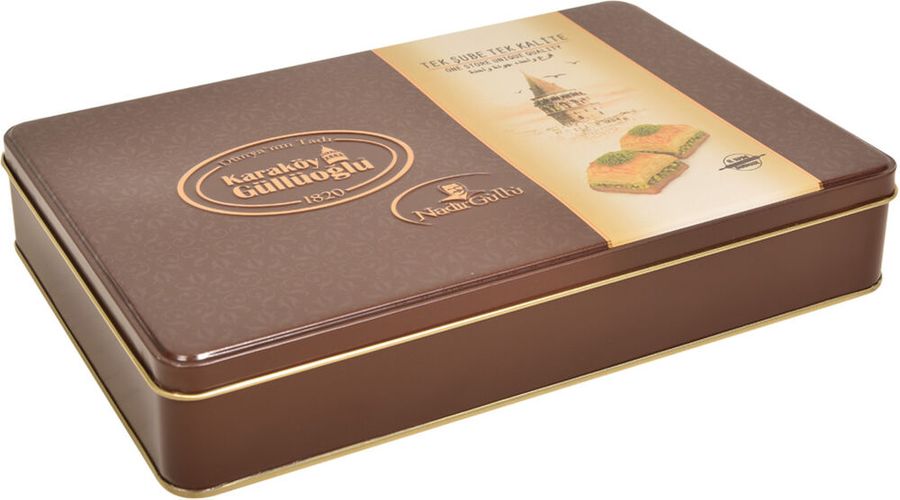
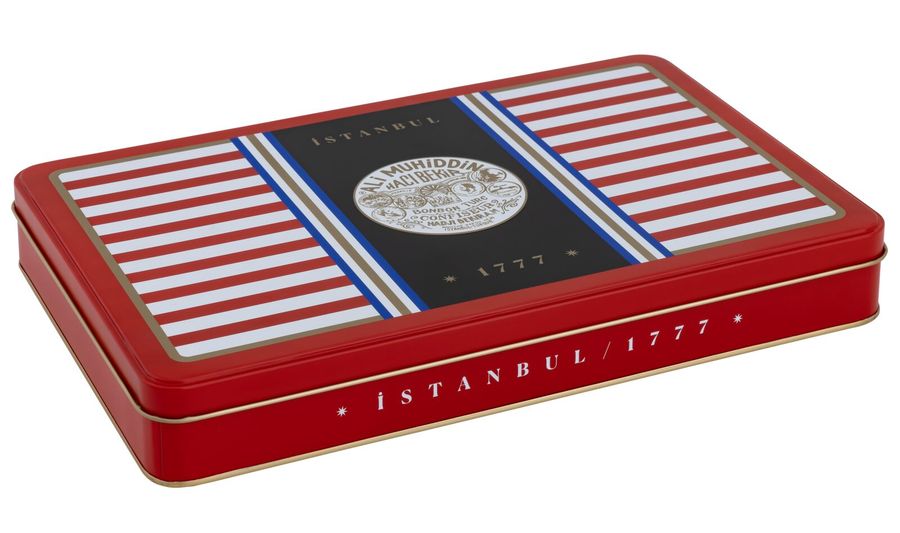
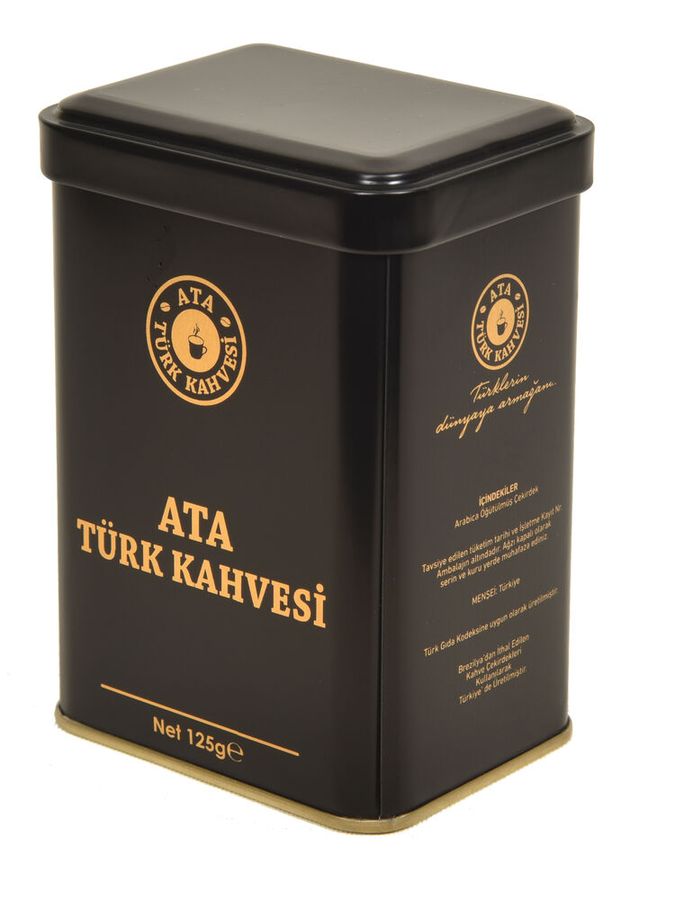
Haben Sie eine Dose im Kopf?
Nennen Sie uns Form, Größe und Artwork. Wir senden Ihnen ein Angebot samt kostenlosem Muster und antworten innerhalb weniger Stunden.
Angebot anfordern