Blik afmetingen: vorm en inhoud kiezen
De juiste maat en vorm van een blik kiezen is waar goede verpakking staat of valt. Een blik dat een paar millimeter te groot is, verspilt materiaal en transportvolume; een blik dat te krap zit, maakt vullen en uitnemen lastig. Deze gids behandelt hoe u blik afmetingen en vormen kiest - rond, vierkant of rechthoekig - met praktische afwegingen rond inhoud, voetafdruk, stapelen en gangbare maten.
Begin bij het product, niet bij het blik
De betrouwbaarste manier om een blik te dimensioneren is van binnen naar buiten werken, vanuit wat erin gaat. Noteer het benodigde vulvolume, de vorm van de inhoud (los, gestapeld, verpakt of één enkel artikel) en of er nog een binnenzak of voering bij komt. Een blik moet het product comfortabel bevatten, met wat ruimte boven, en het niet klemzetten. Te ruim bemeten oogt royaal, maar kost blik en vracht op elke eenheid; te krap zorgt voor problemen aan de vullijn. Door eerst de inwendige inhoud vast te leggen, blijft de rest van de keuze goed onderbouwd.
Rond, vierkant of rechthoekig?
Vorm is niet alleen een esthetische keuze: het bepaalt mede de inhoud, de schapefficiëntie en de kostprijs.
Ronde blikken
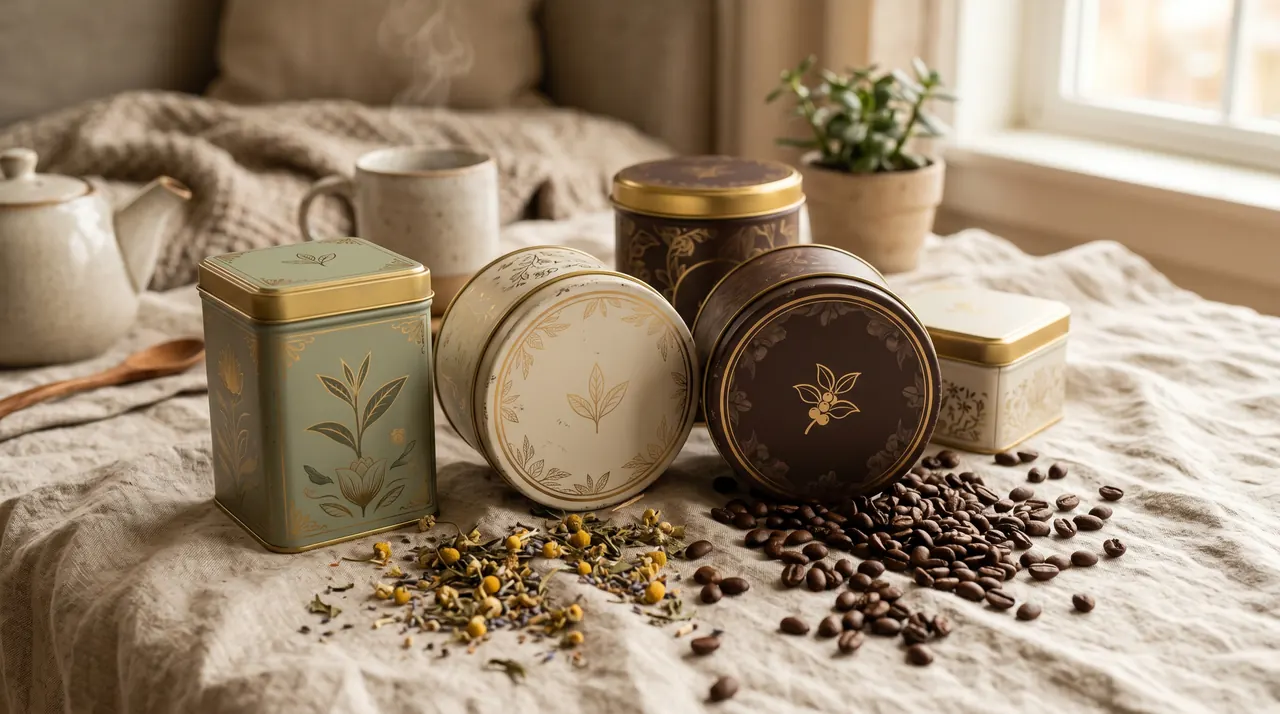
Ronde lichamen zijn het voordeligst om te vormen en het vriendelijkst voor losse inhoud, die stroomt en schenkt zonder in hoeken te blijven hangen. Ze stralen een klassieke, traditionele sfeer uit.
- Sterke punten: laagste vormkosten, ideaal om uit te schenken, tijdloze uitstraling.
- Afweging: cirkels laten ruimte open tussen de blikken in het schap, waardoor de displayruimte minder efficiënt wordt benut.
- Geschikt voor: thee, koffie, koekjes, snoep en cadeaubussen.
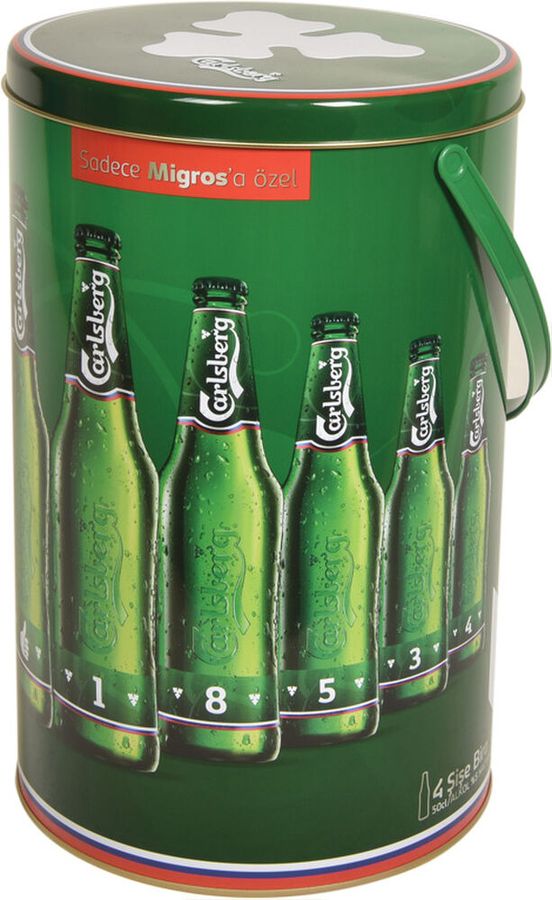
De klassieke busvormen in ons assortiment ronde blikken passen bijzonder goed bij losse thee en gemalen koffie.
Vierkante blikken
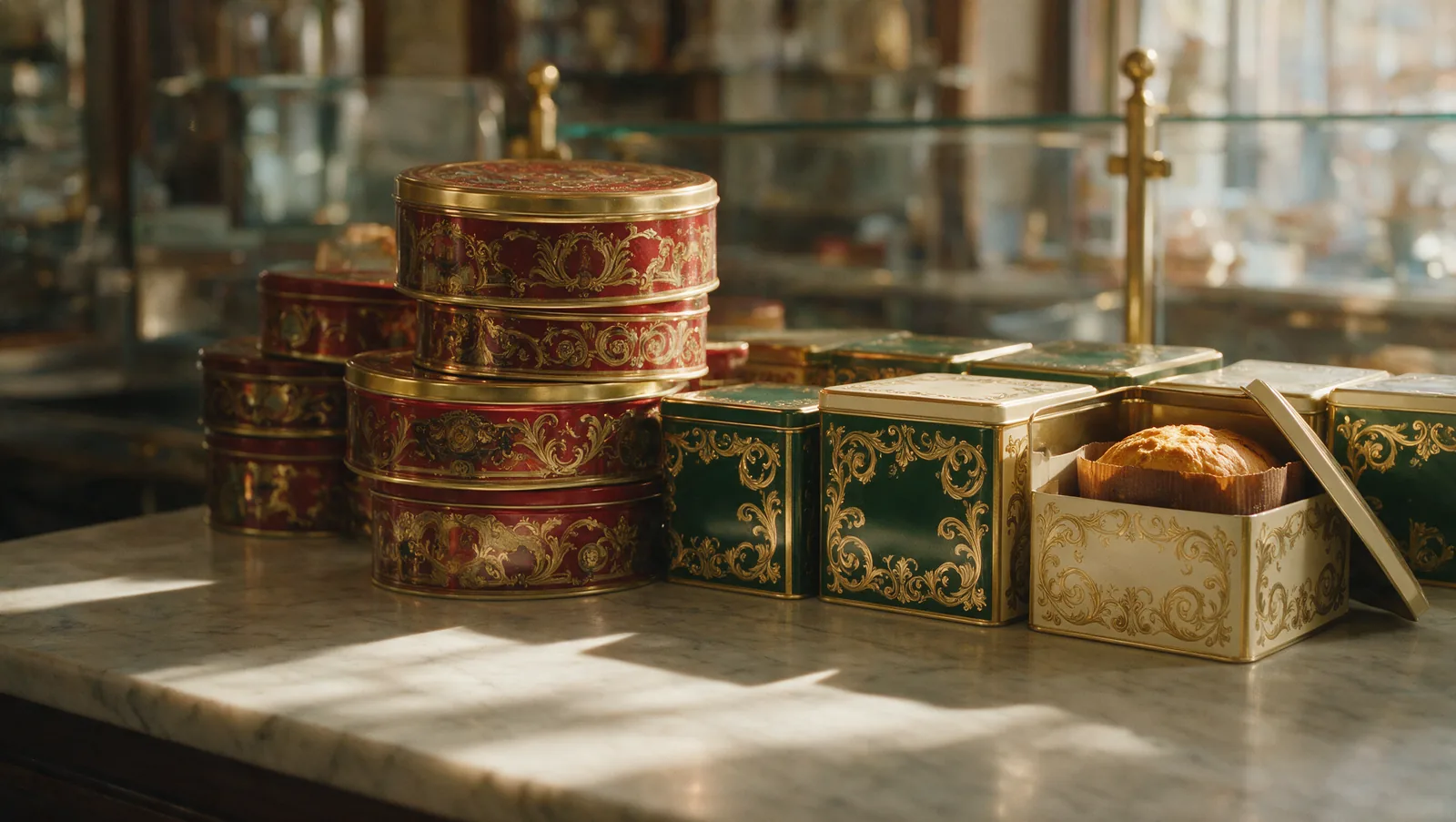
Vierkante lichamen benutten schap- en transportruimte efficiënt omdat ze vrijwel naadloos tegen elkaar aansluiten, en ze bieden vier vlakke zijden voor branding.
- Sterke punten: uitstekende schapbenutting, sterke merkpresentatie op de voorzijde, moderne uitstraling.
- Afweging: hoeken maken het vormen iets complexer en kunnen fijn los product vasthouden.
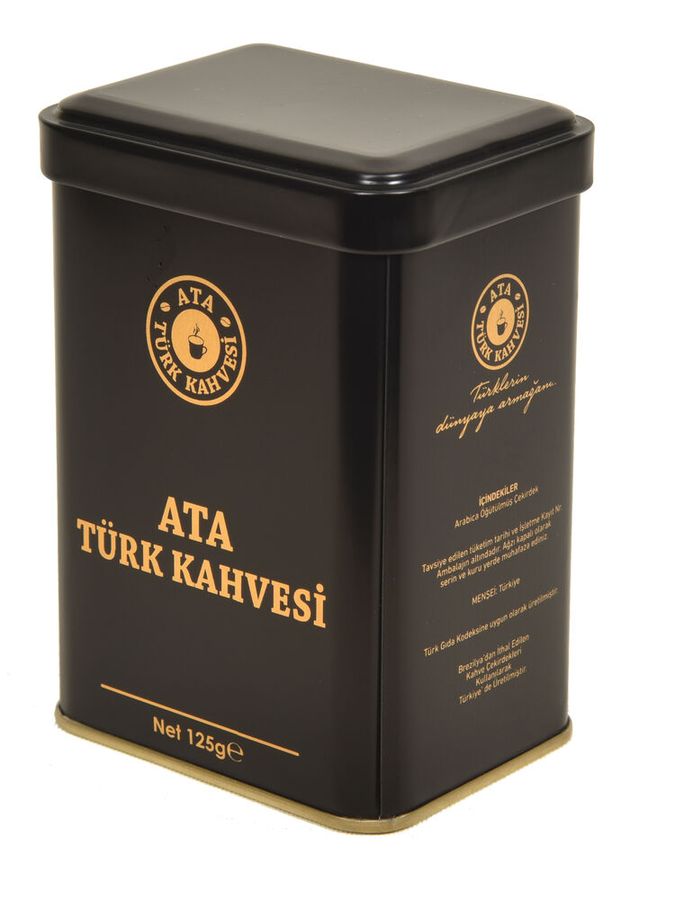
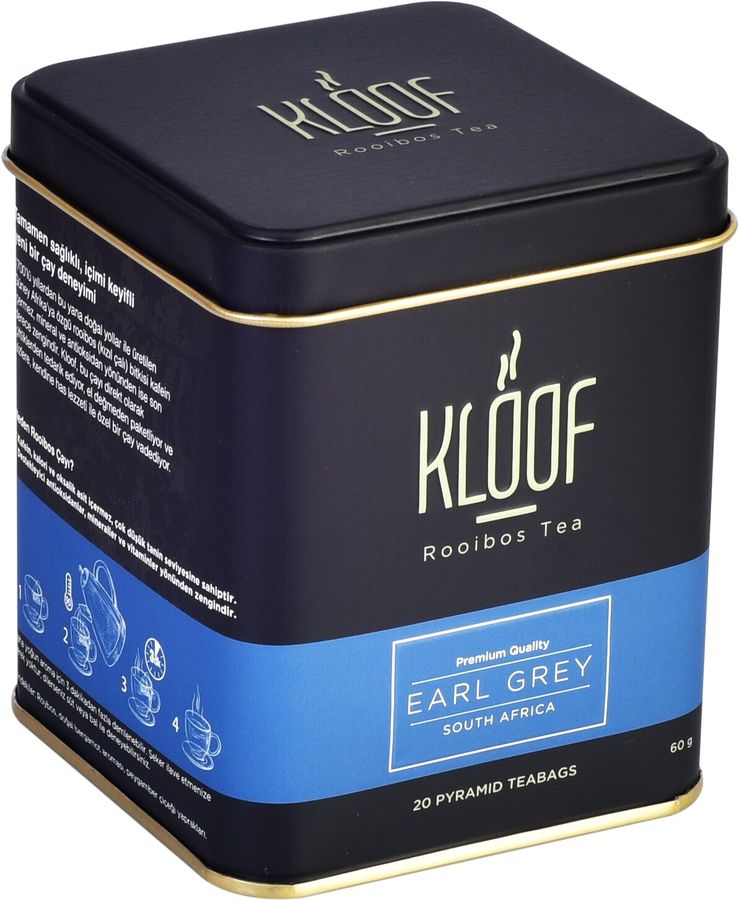
- Geschikt voor: thee, koffie, cadeausets en premium confiserie.
Voor merken die maximale facings in het schap willen, laten vierkante blikken elke centimeter schapruimte harder werken.
Rechthoekige blikken
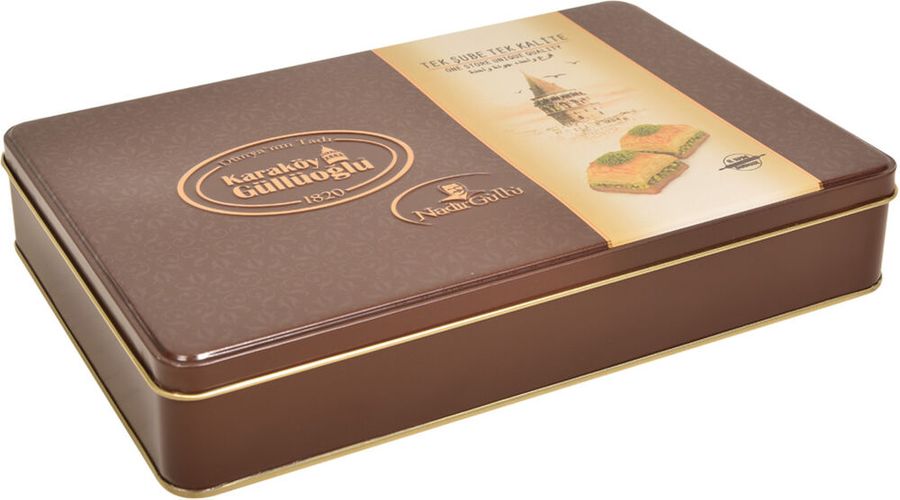
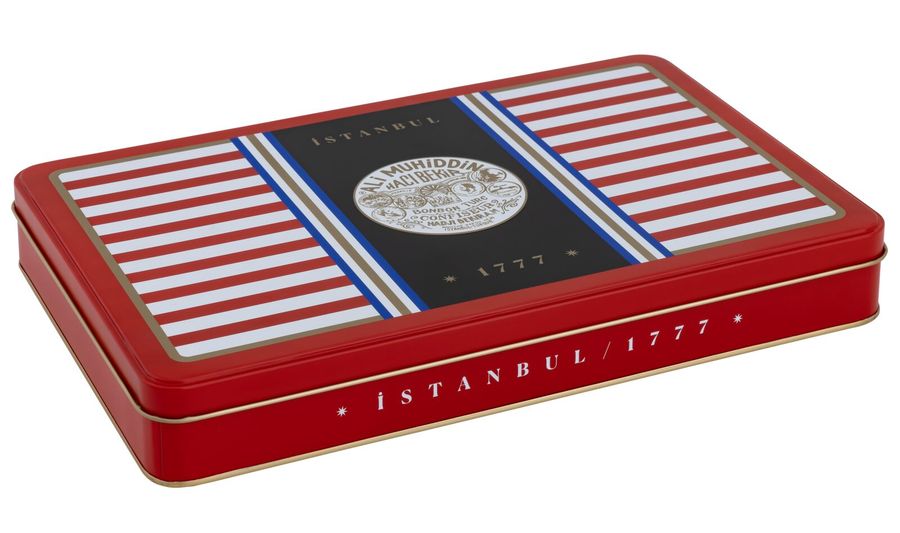
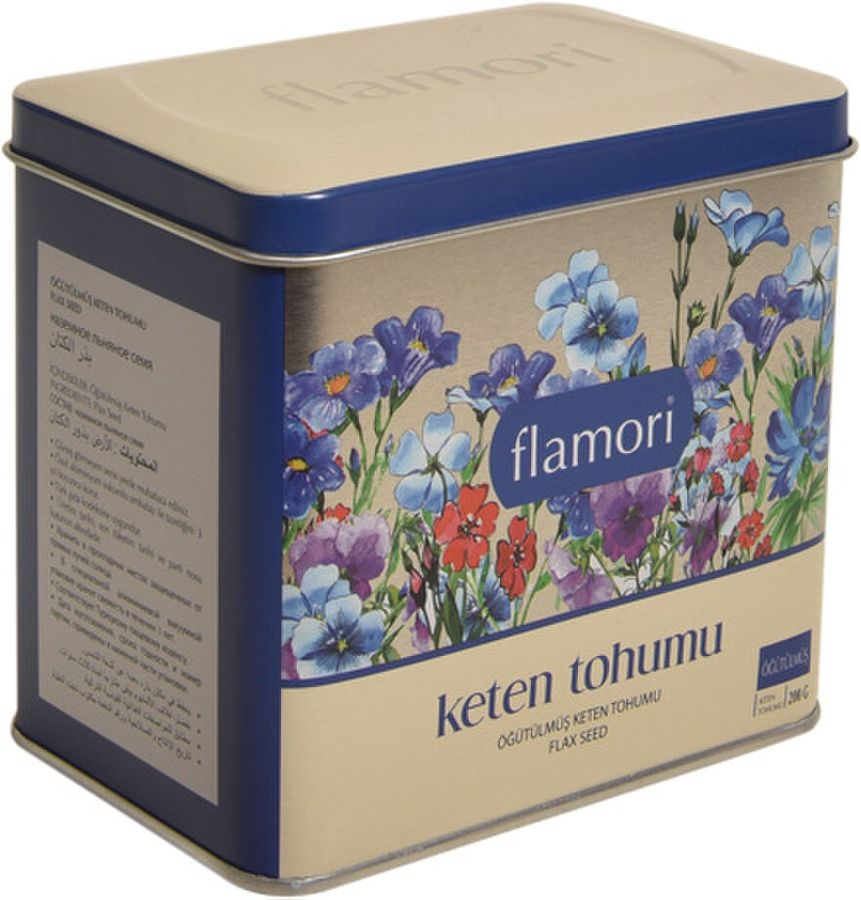
Rechthoekige formaten passen bij langwerpige of gelaagde inhoud - repen, verpakte artikelen of producten in rijen - en ze stapelen netjes.
- Sterke punten: ideaal voor lange of geordende inhoud, efficiënt stapelen, ruim brandingvlak.
- Afweging: minder geschikt om los product uit te schenken.
- Geschikt voor: chocoladerepen, koekjes, pennen en schrijfwaren, en cadeauassortimenten met meerdere onderdelen.
Als de inhoud lang is of in rijen ligt, benutten rechthoekige blikken de ruimte verstandiger dan een rond blik met vergelijkbaar volume.
Inhoud versus voetafdruk
Twee blikken kunnen hetzelfde volume hebben met heel verschillende voetafdrukken. Een laag, breed blik heeft een grote bodem en weinig hoogte; een hoog, smal blik een kleine bodem en meer hoogte. Dat is om twee redenen belangrijk. In het schap bepaalt de voetafdruk hoeveel facings u in een gegeven ruimte krijgt. In transport bepalen bodemoppervlak en hoogte samen hoe efficiënt blikken een omdoos en een pallet vullen. Zijn facings in de winkel de prioriteit, kies dan een kleinere voetafdruk en meer hoogte; moet het product geschonken of geschept worden, dan werkt een bredere bodem prettiger.
Stapelbaarheid
Worden uw blikken gestapeld - in de winkel, thuis of in de omdoos - dan helpen een paar details. Verdiepte deksels of deksels met een schouder laten het ene blik licht in het andere zakken, zodat stapels blijven staan. Vlakke, parallelle boven- en onderzijden stapelen veiliger dan bolle deksels. Vierkante en rechthoekige blikken stapelen stabieler dan ronde, simpelweg omdat hun voetafdrukken op elkaar aansluiten. Is stapelen belangrijk voor het gebruik of de presentatie, geef dat dan vroeg aan, zodat deksel en profiel daarop worden afgestemd.
Maat, vorm en transportkosten
Omdat blikken stijf zijn en vaak internationaal worden verscheept, wordt vracht meestal op volume berekend en niet alleen op gewicht. Daarmee worden vorm en maat een echte kostenknop. Vierkante en rechthoekige blikken vullen een omdoos met weinig verloren ruimte, zodat er meer eenheden in hetzelfde volume meegaan; ronde blikken laten holtes tussen zich, wat betekent dat u op elke pallet wat lucht verscheept. Per stuk is het verschil bescheiden, maar over een grote exportorder telt het op. Is de landed cost een prioriteit en hoeft het product niet geschonken te worden, dan kan een vierkant of rechthoekig formaat de economie van elke zending stilletjes verbeteren - iets om af te wegen tegen de gewenste uitstraling.
Ook hoogte telt. Een iets lager en breder blik en een hoger, smaller blik kunnen hetzelfde volume hebben, maar passen anders in standaard omdoos- en palletmaten. Een maat kiezen die netjes opgaat in uw omdoos voorkomt verloren ruimte in de doos. Het loont om de omdoos- en palletconfiguratie samen met de blikmaat vast te leggen, zodat de hele verpakking efficiënt reist in plaats van dat u het blik geïsoleerd optimaliseert.
Hoe de maat gereedschap en aantallen beïnvloedt
Maat en vorm raken de kostprijs ook in de gereedschapsfase. Een groter blik gebruikt meer metaal per stuk, en een ongebruikelijk profiel kan speciaal vormgereedschap vragen, terwijl een maat die dicht bij een bestaand formaat ligt gereedschap kan delen en de instelkosten laag houdt. Dat betekent niet dat u een bestaande maat moet accepteren - maatwerkmaten zijn routine - maar als het budget krap is, loont het te vragen of een kleine aanpassing van uw maten bestaand gereedschap bruikbaar maakt. Decoratieve maatwerkseries liggen doorgaans tussen enkele duizenden en tienduizenden stuks per dessin, zodat de gereedschapskosten over de serie worden gespreid: hoe groter de order, hoe kleiner het aandeel per stuk.
Gangbare maten als houvast
Het helpt om globale referentiepunten te hebben, ook al worden exacte maten op uw product gemaakt:
- Kleine zak- of pepermuntblikjes: ongeveer 70-95 mm breed, laag profiel.
- Standaard thee- of koffiebussen: ongeveer 90-110 mm breed en 100-140 mm hoog, vaak voor zo'n 100-250 g los product.
- Koek- en cadeaublikken: ongeveer 150-230 mm breed, van ondiep tot diep.
- Grote geschenkmand- of deelblikken: ongeveer 190-230 mm breed, evenzeer gekozen om hun aanwezigheid als om hun inhoud.
Dit zijn startpunten, geen vaste catalogus. Omdat wij het gereedschap op uw specificatie maken, kunnen het inwendige volume, de wandhoogte en het deksel allemaal worden afgestemd op het exacte product en de manier waarop het wordt verpakt.
Als concreet houvast: dit is wat ons huidige assortiment daadwerkelijk beslaat. Ronde blikken van Ø73 mm tot Ø230 mm, vierkante van 75 mm tot 215 mm en rechthoekige van 85 mm tot 225 mm over de breedste zijde. De hoogtes binnen die drie families lopen van 20 mm voor ondiepe presentatieformaten tot 360 mm voor hoge bussen en cadeautorens. Ondiepe dieptrekblikken beginnen bij 68 mm breed en zitten tussen 15 mm en 48 mm diep, en vlakke trays gaan tot 325 mm. Elke maat in de productcatalogus staat vermeld met de exacte afmetingen.
Een korte checklist voor de maatbepaling
- Bevestig het vulvolume en de vorm van de inhoud.
- Kies rond om te schenken en voor de laagste kostprijs, vierkant voor schapefficiëntie, rechthoekig voor lange of geordende artikelen.
- Bepaal wat zwaarder weegt: facings (kleinere voetafdruk) of gebruiksgemak (bredere bodem).
- Reken een eventuele binnenzak of voering mee in de inwendige maten.
- Geef stapelbehoeften aan, zodat deksel en profiel daarop aansluiten.
Zodra volume, vorm en aantal bekend zijn, is de maatbepaling eenvoudig. Bekijk het aanbod aan formaten en afmetingen door de catalogus door te nemen, of stuur ons uw productgegevens: wij adviseren een maat en vorm en bevestigen die met een monster.
Blikverpakking op maat
Gerelateerde sectoren
Bijpassende blikken
Heeft u een blik in gedachten?
Geef uw vorm, formaat en artwork door. Wij sturen een offerte en een gratis sample, en reageren binnen enkele uren.
Offerte aanvragen