Private Label Tin Packaging: A Guide for Brands and Retailers
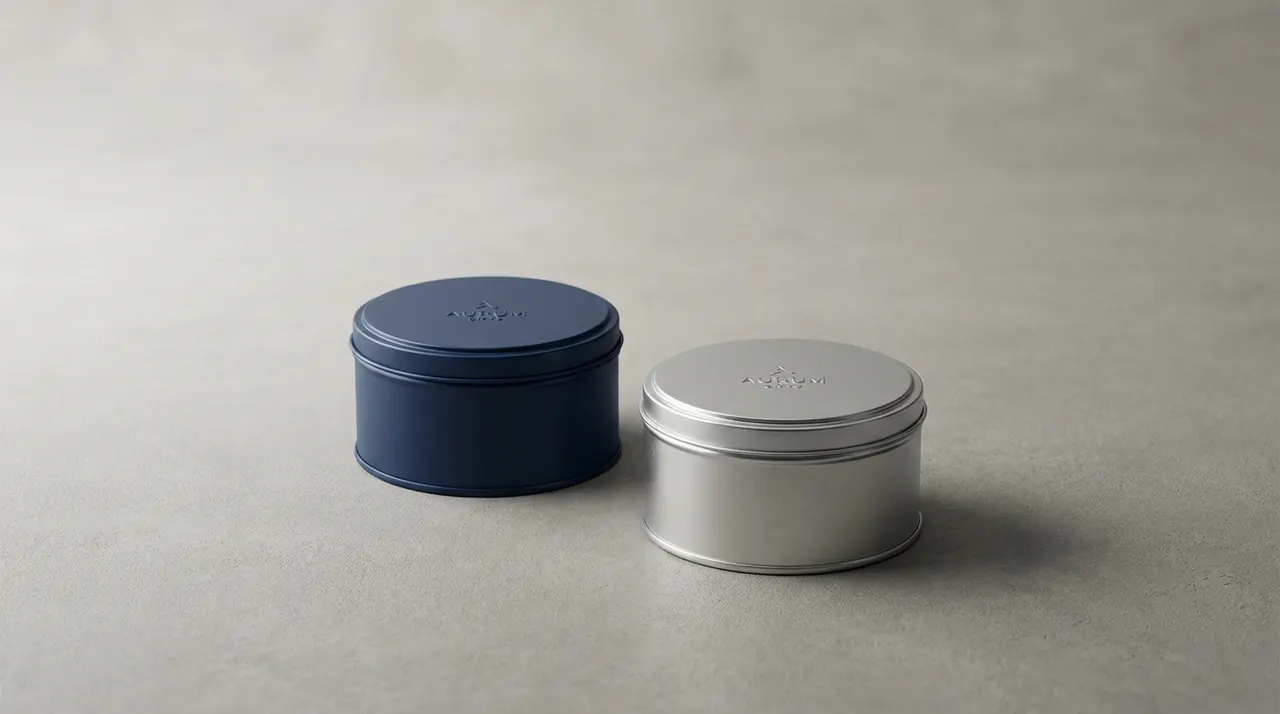
Private label lets a brand or retailer sell a product under its own name and design without owning a factory. In metal packaging, that means your artwork, your finishes, and your brand on the tin, produced by a manufacturer who handles the tooling, printing, and forming. This guide explains how private label tin packaging works, what to plan for, and why own-brand tins carry more perceived value than the products inside them alone.
What private label means for tins
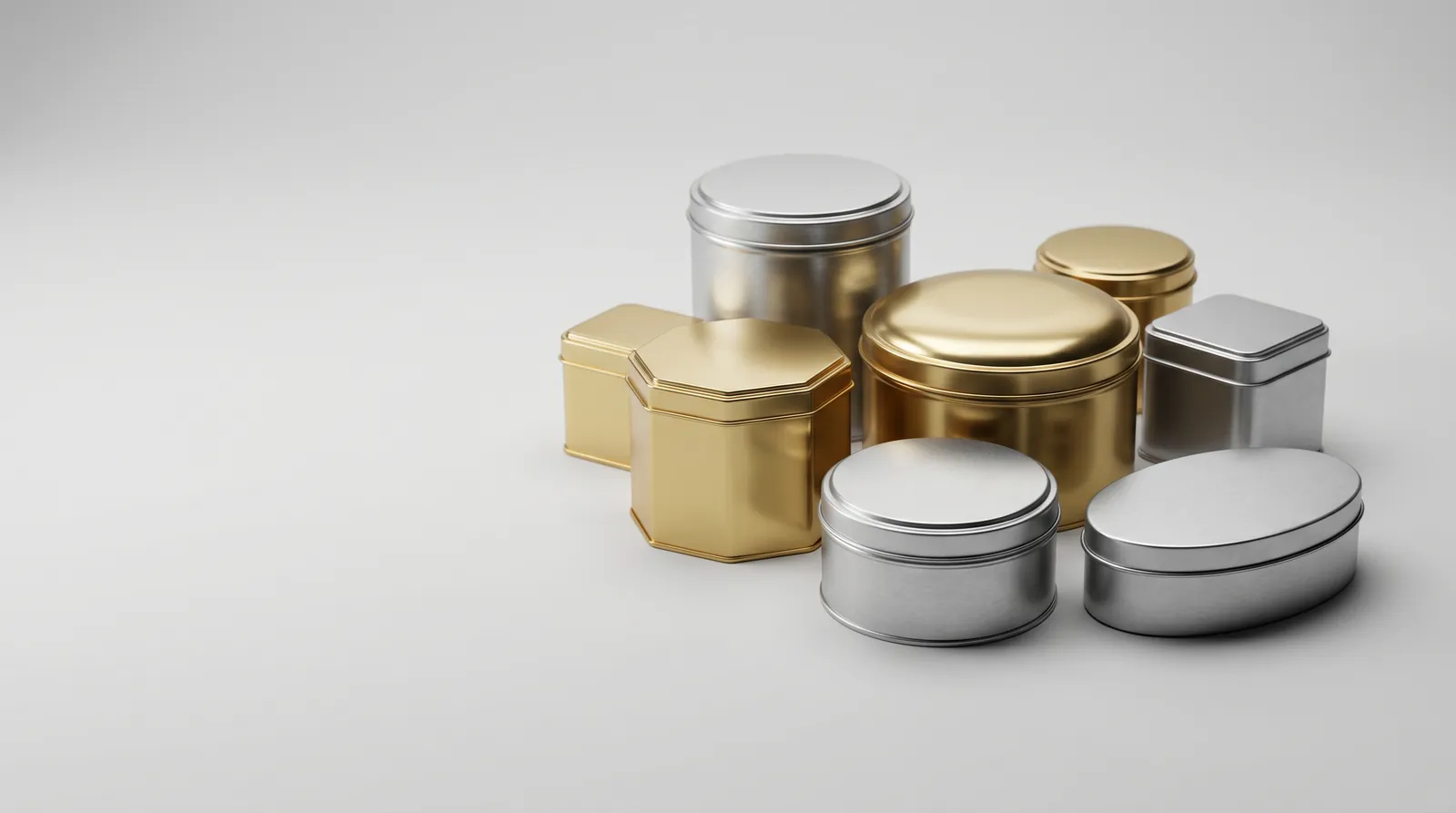
With a private label tin, you decide the shape, size, artwork, lid, and finish, and the manufacturer produces it to your specification. The result carries only your branding, with no supplier marks on the visible surfaces. This is how many retailers build own-label confectionery, tea, coffee, and gift lines, and how growing brands present a premium package without the capital cost of running a print and forming line themselves. A specialist in private label tins effectively becomes your production department for the metal.
The private label process, step by step
A first own-brand tin usually follows a clear path:
- Brief: share the product, the use case, target size or shape, and any design direction.
- Format: choose a stock shape to avoid tooling, or commission a bespoke die for a signature look.
- Artwork: supply print-ready files or have the manufacturer's studio build them to the dieline.
- Proof: approve a digital proof and, for colour-critical work, a physical sample on metal.
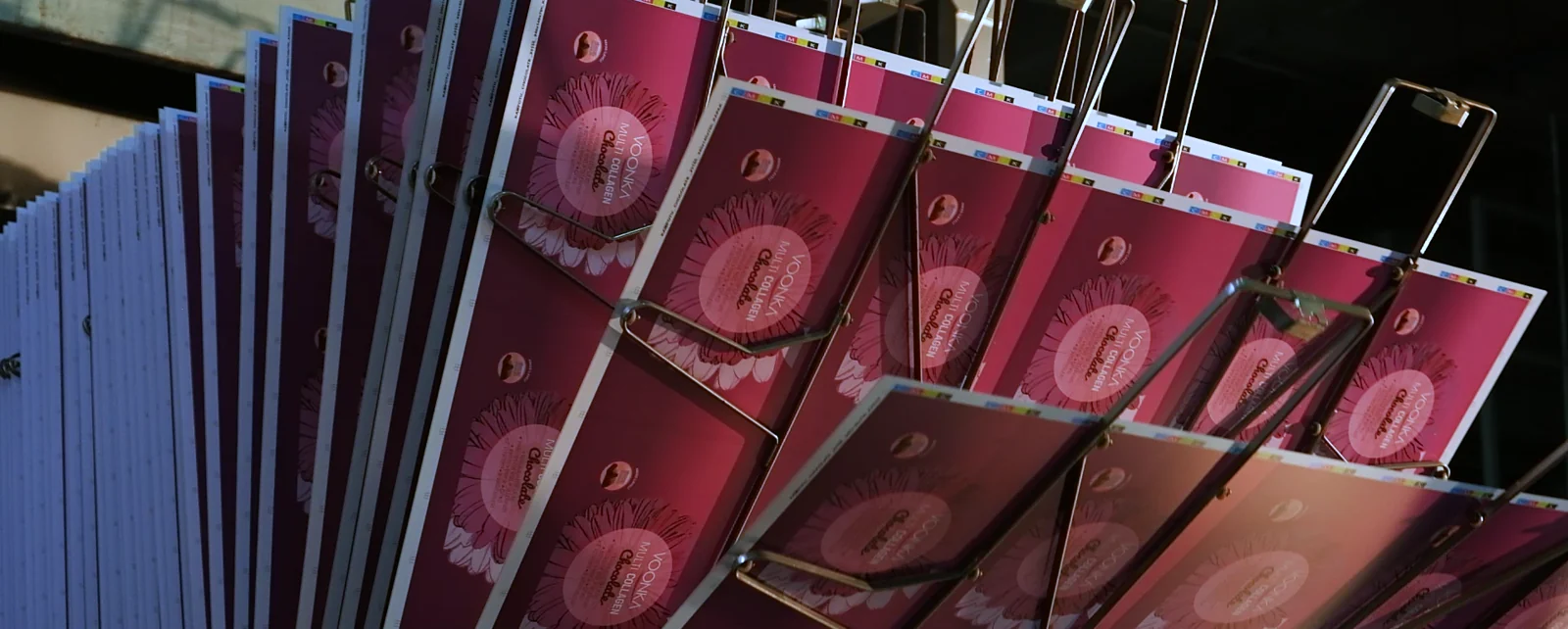
- Production: the artwork is offset-printed, finished, formed, and assembled, then delivered.
Because your design is printed directly onto the metal, the finished tin looks and lasts like any premium custom printed tins product, not a labelled generic.
What to check when choosing a manufacturer
Because your brand goes on the finished tin, the manufacturer you pick is effectively your production department, so a few checks up front save trouble later. Look for in-house capability across the steps that matter, design, tooling, printing, forming, and assembly under one roof, since that keeps quality and timing in one place rather than passed between subcontractors. For anything edible, confirm a food-grade interior lining suited to your product and that food-contact requirements for your market are understood. Ask how proofs are handled, whether you get a physical sample on metal before the run, and how exclusivity and artwork ownership are documented. A supplier that exports widely will also be familiar with the paperwork and logistics of shipping to your region.
Minimum order quantity
Private label runs still carry a minimum order quantity, because tooling, printing plates, and colour setup happen once per design regardless of how many tins you make. For custom offset-printed tins this typically starts in the region of 5,000 to 25,000 pieces per design and size. You can keep the effective minimum manageable by using a stock shape to avoid new tooling, and by running the same shape across several product variants that share one print run. If you sell several own-label lines, aligning them onto shared shapes is the simplest way to reach economical volumes without over-committing on any single design.
Who owns the artwork?
This is a common and important question. The brand or retailer owns its own brand assets: your logo, your photography, and the design you commission remain yours. A reputable manufacturer produces your tins exclusively to your specification and does not resell your artwork or design to others. If a bespoke shape is tooled for you, agree in writing how that die is used. Settle ownership and exclusivity terms in the brief so there is no ambiguity later.
Lead times to plan for
Metal packaging is made to order, so build realistic time into your launch. A typical project moves through artwork preparation and proofing, then tooling if a bespoke shape is involved, then the print and forming run, then transit. Seasonal windows are the main risk: a Christmas or Ramadan line has to be briefed months ahead, because everyone competes for the same production slots. The single most effective way to protect a launch date is to start early and lock the proof promptly, since approval is what releases the run.
Two habits make the schedule predictable. First, get artwork to print-ready standard before the clock starts, files built on the dieline, in CMYK, with Pantones named, so the proof stage does not turn into several rounds of corrections. Second, choose a stock shape when you can: skipping bespoke tooling removes one of the longest steps and takes real time out of a first order. If you do need a signature shape, treat the tooling lead time as fixed and plan the launch around it rather than the other way round.
Why own-brand tins add value
A tin does more than hold a product; it changes how the product is perceived and how long the brand stays present.
- Premium perception: weight, a cool metal touch, and a printed finish read as a gift rather than a disposable pack, supporting a higher price.
- Reuse as marketing: decorative tins are kept for storage, and every time the owner opens the tin your brand is in front of them again.
- Shelf standout: offset printing with embossing or metallic effects lifts an own-label line above plainer competitors.
- Sustainability story: steel is widely and repeatedly recyclable, which supports a credible own-brand message.
Getting a private label project right
Success comes down to a clear brief and early planning. Decide the format, confirm artwork ownership, size the order to real demand, and start ahead of any seasonal deadline. Send the product details, your design or a rough idea, and your target volume, and a manufacturer can recommend a shape, a lining, and a finish that fit your brand and budget. When you are ready, request a quote and a free sample to see your own-brand tin on real metal before you commit.
Aveți în minte o cutie metalică?
Spuneți-ne forma, dimensiunea și grafica dvs. Vă trimitem o ofertă și o mostră gratuită și răspundem în câteva ore.
Solicitați o ofertă