Latas para té: guía completa para marcas de té
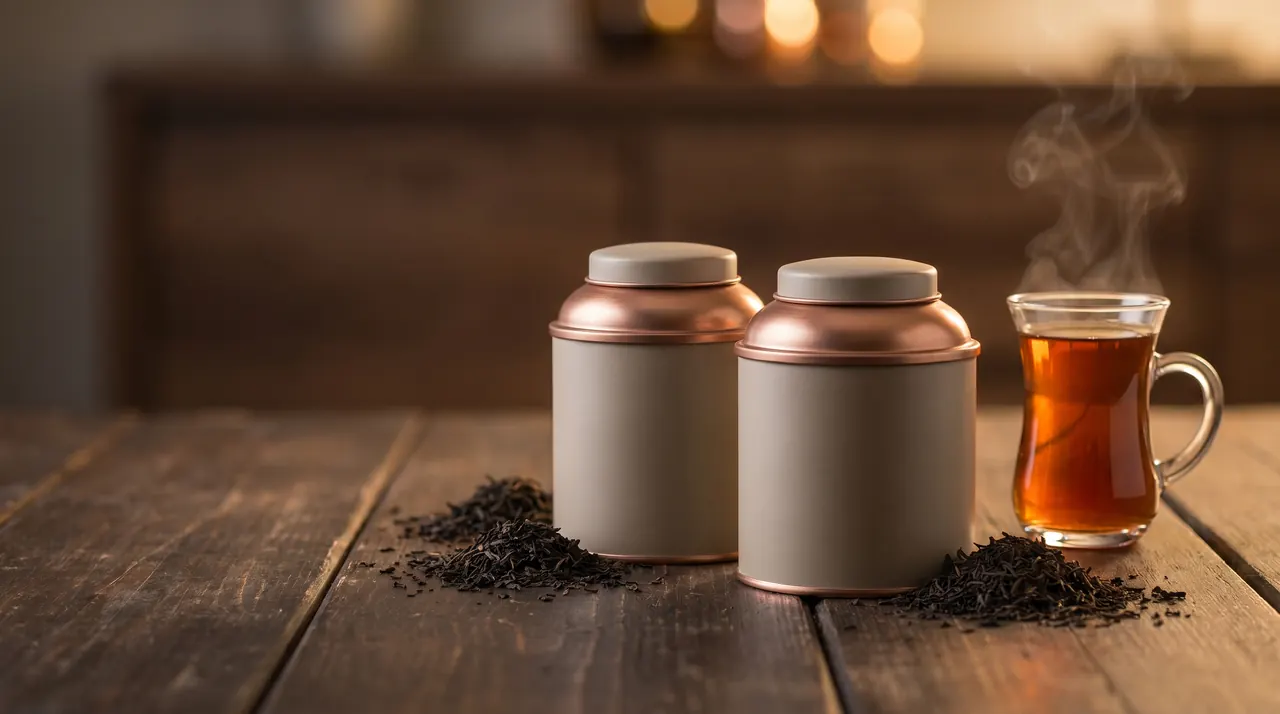
El té es uno de los productos más delicados que una marca puede vender. El aroma, el color y el sabor se degradan cuando las hojas se exponen a la luz, la humedad o el aire, así que el envase no es mera decoración – es parte del producto. Esta guía explica por qué el metal supera a la mayoría de las alternativas para el té, y cómo especificar una lata que conserve en cada lote el sabor con el que se creó la mezcla.
Por qué la lata protege tan bien el té
El té pierde calidad por tres vías principales: la luz, la humedad y la fuga de los compuestos aromáticos volátiles. La hojalata responde a las tres mejor que el papel, el cartón o el plástico transparente.
- Luz: el metal es completamente opaco, así que bloquea la luz UV y visible que degrada las catequinas y el color, especialmente en los tés verdes y blancos.
- Humedad: una lata rígida con una tapa bien ajustada frena la entrada de humedad mucho mejor que un estuche de cartón con solapas, y la hoja seca conserva su textura crujiente por más tiempo.
- Aroma: una tapa bien ajustada ralentiza el intercambio de aire, de modo que la lata sigue oliendo a la mezcla cuando el cliente la abre. Para garantizar la frescura durante un tiempo determinado, la hoja necesita una bolsa interior sellada.
El metal, además, es rígido y reutilizable. Como los clientes conservan las latas de té en la estantería y las rellenan, su marca permanece en la cocina mucho después de la primera compra – una ventaja silenciosa que el envase flexible rara vez consigue. Para una visión más amplia del material, consulte nuestro resumen sobre envases de hojalata, y para formatos creados específicamente para esta categoría, nuestra gama de envases para té muestra las formas que más usan las marcas.
Las mejores formas y tapas para té a granel o en bolsitas
El formato adecuado depende de cómo se porciona el té. El té a granel y las bolsitas tienen prioridades distintas.
Té a granel
El té en hoja agradece una boca amplia para que una cuchara o un dosificador entren sin romper la hoja. Los formatos cilíndricos son el clásico en este caso; nuestras latas redondas ofrecen un vertido fácil y una boca generosa. Para mezclas sensibles al sabor, un diseño de doble tapa funciona muy bien: una tapa interior a presión bien ajustada sujeta la hoja con firmeza, mientras que una tapa exterior decorativa lleva la marca y añade un clic tranquilizador al abrir.
Té en bolsitas
Para sobres y pirámides, una lata cuadrada o rectangular apila las bolsitas con orden y aprovecha bien el espacio en el estante. Una tapa con bisagra conviene a los botes que viven sobre la encimera y se abren varias veces al día, porque no hay tapa suelta que extraviar. Cuando el té es un regalo o un origen único premium, una tapa a presión ajustada aporta esa sensación deliberada y pausada que los compradores asocian con la calidad.
Entre las tapas más habituales para té se incluyen:
- Tapa interior a presión más tapa exterior decorativa – el ajuste más ceñido para el té a granel.
- Tapa con bisagra – un bote práctico para el día a día que no puede perder su tapa.
- Tapa de rosca – el recierre más hermético entre los tipos de tapa; para mezclas sensibles a la humedad, combínela con una bolsa interior sellada.
El interior apto para alimentos
El té es un alimento seco en contacto directo con el metal, así que el interior de la lata importa tanto como la impresión exterior. Una superficie de acero desnuda puede alterar los sabores delicados, y por eso las latas para té llevan un barniz interior apto para alimentos que forma una barrera inerte entre el metal y la hoja. Es un requisito estándar en los envases de contacto directo, y conviene confirmarlo pronto con cualquier proveedor. En el conjunto del sector, los materiales en contacto con alimentos se rigen por marcos como el Reglamento (CE) 1935/2004 de la UE, y los recubrimientos han evolucionado hacia formulaciones BPA-NI (sin BPA añadido) a medida que los reguladores restringen el BPA en el contacto alimentario. Puede leer cómo tratamos los recubrimientos de contacto directo en nuestra página de envases metálicos aptos para alimentos.
Para tés muy aromáticos o de alta rotación, las marcas suelen añadir una bolsa sellada o un revestimiento interior dentro de la lata decorativa. La bolsa aporta la barrera contra el oxígeno y la humedad para la frescura, y la lata aporta la marca y el valor de reutilización – una combinación que ofrece lo mejor de ambos.
Marca y presencia en el estante
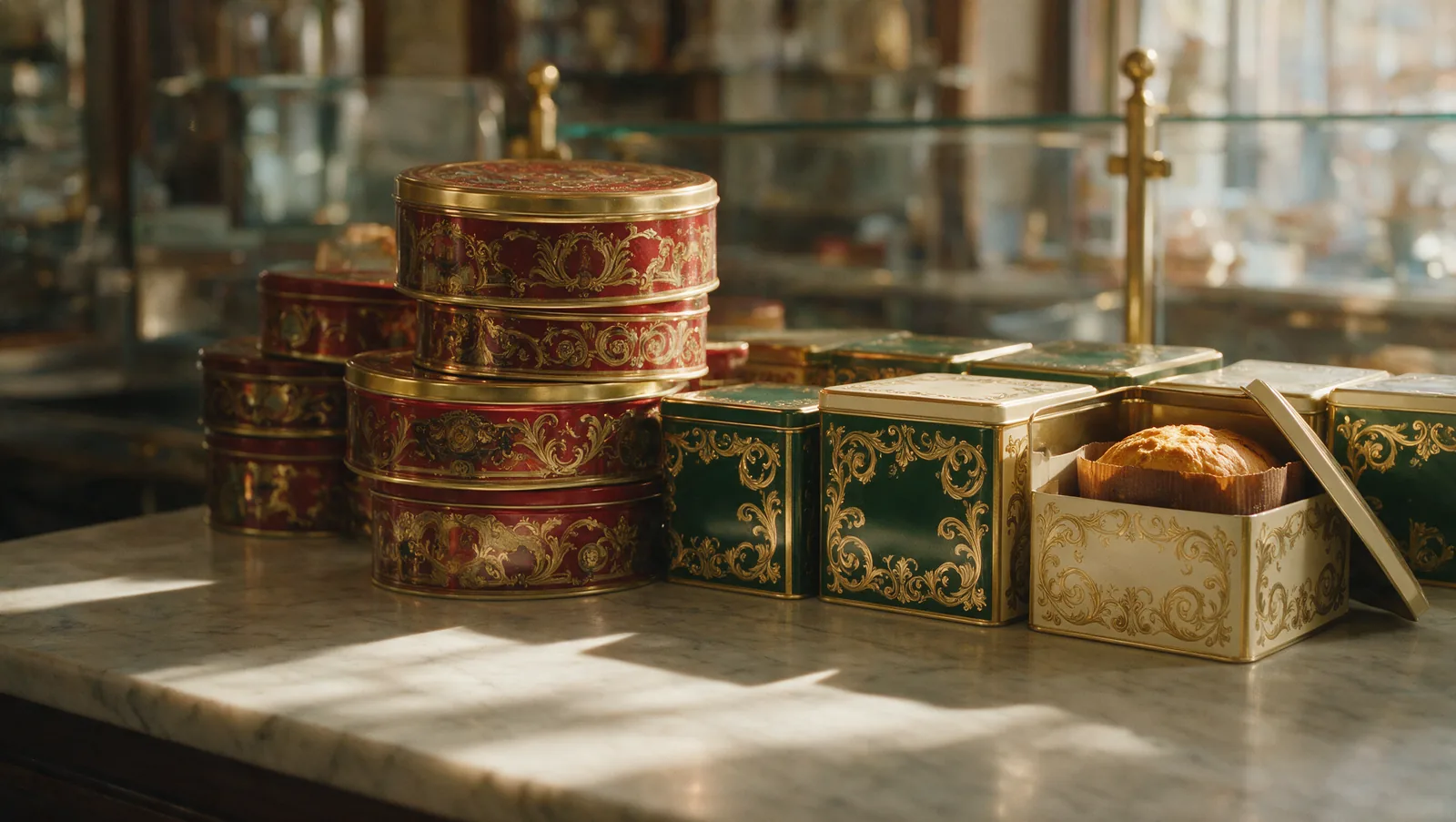
Una lata de té es un pequeño cartel publicitario que el cliente decide conservar. La impresión offset sobre metal produce un color rico y duradero, y la superficie admite acabados que el papel no puede igualar: barniz mate o brillante, tintas metalizadas y grabado en relieve que hace que el acero atrape la luz. Como los gráficos quedan bajo un barniz protector y no sobre una etiqueta adherida, sobreviven al ambiente húmedo y cálido de una cocina sin despegarse ni rayarse.
Consejos prácticos que elevan una gama de té en el estante:
- Use una misma forma de lata en toda la gama y cambie solo el arte, para que la familia se lea como un conjunto mientras cada mezcla mantiene su identidad.
- Reserve un color Pantone para el tono de su marca y manténgalo constante en todos los sabores.
- Mantenga los textos legales y los códigos de barras lejos de las uniones y de las curvas cerradas, donde resultan difíciles de leer.
Cómo planificar una primera tirada
Las latas personalizadas con impresión offset implican un troquel único y un pedido mínimo, normalmente del orden de 5.000–25.000 piezas por diseño y tamaño. Elegir una forma de la que ya disponemos evita troqueles nuevos y puede reducir el mínimo efectivo, una vía sensata para un primer pedido o una mezcla de temporada limitada. Si su gama abarca varios sabores, producirlos sobre la misma forma con artes distintos le ayuda a alcanzar una cantidad viable manteniendo bajos los costos unitarios. Cuando esté listo para cotizar una especificación, puede solicitar una cotización y le sugeriremos una construcción apta para alimentos y una muestra gratuita para confirmar el ajuste y el acabado. La muestra es una lata que ya hemos producido, no una impresa con su diseño: la lata es gratuita, usted paga el transporte.
Lista rápida de especificaciones
- Confirme si es té a granel o en bolsitas – determina la boca y la tapa.
- Elija la tapa según la barrera (presión/rosca) o la comodidad (bisagra).
- Especifique un barniz interior apto para alimentos para el contacto directo.
- Añada una bolsa interior para tés muy aromáticos o de alta rotación.
- Fije el color de su marca y mantenga el arte coherente en toda la gama.
Envases de hojalata personalizados
Sectores relacionados
Latas que encajan
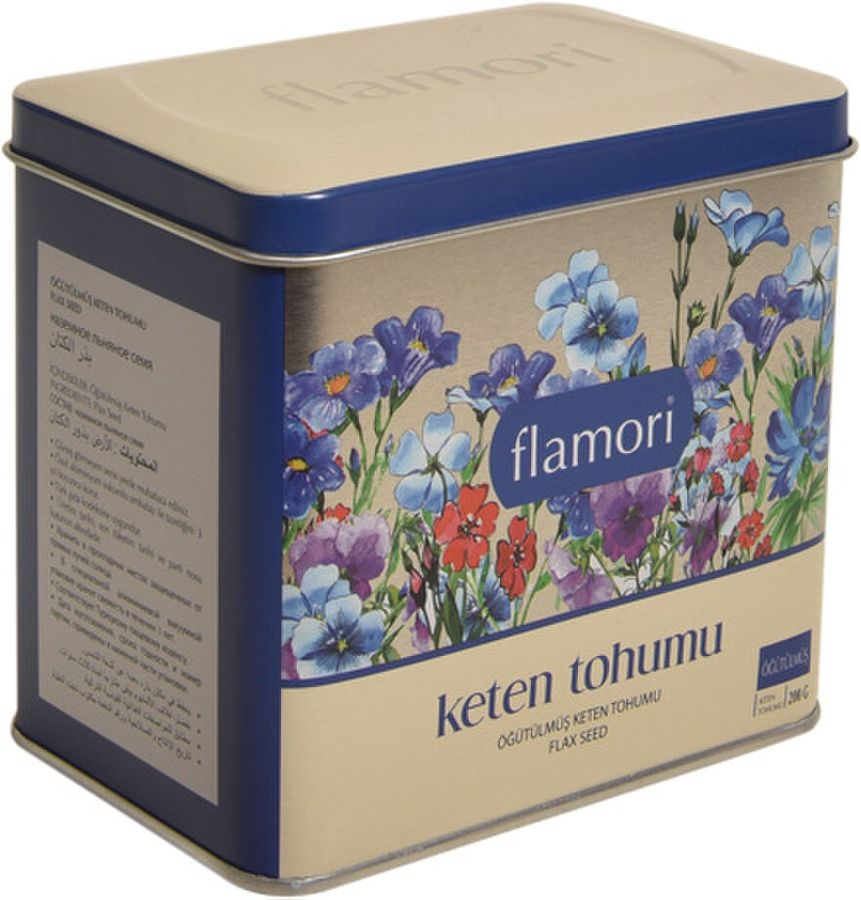
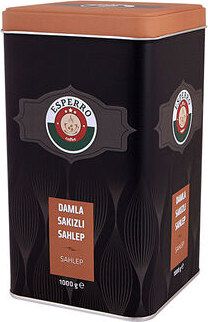
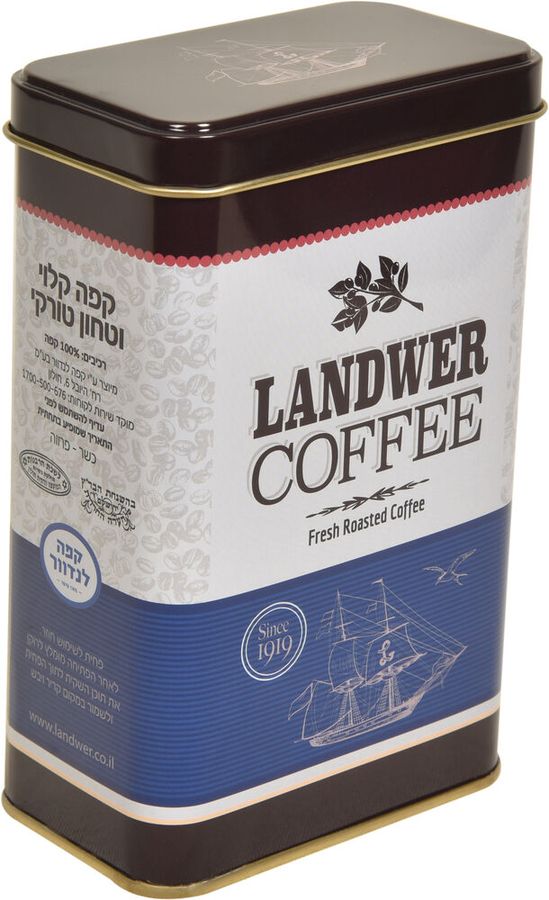
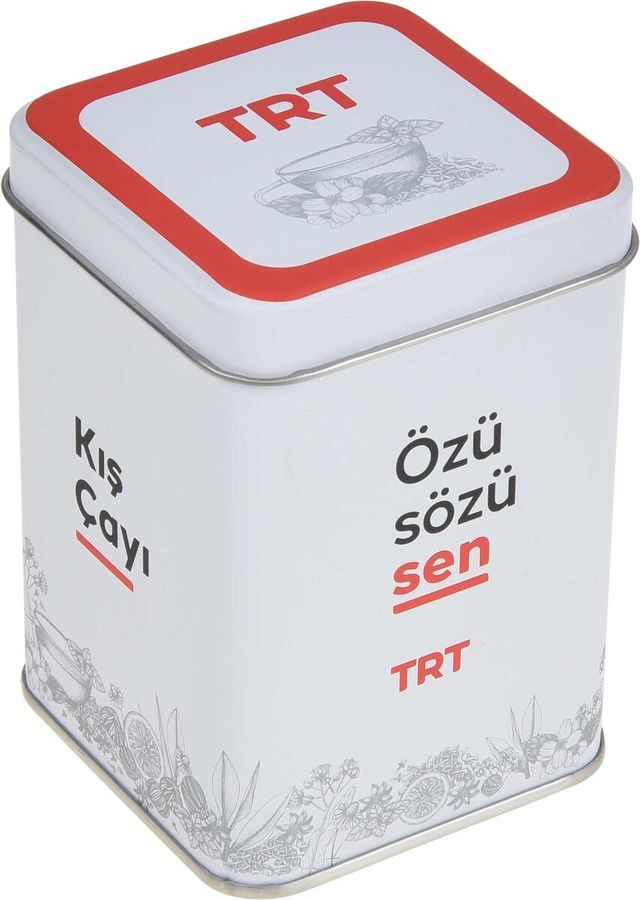
¿Tiene una lata en mente?
Indíquenos la forma, el tamaño y sus artes gráficas. Le enviamos un presupuesto y una muestra gratuita, y respondemos en cuestión de horas.
Solicitar presupuesto