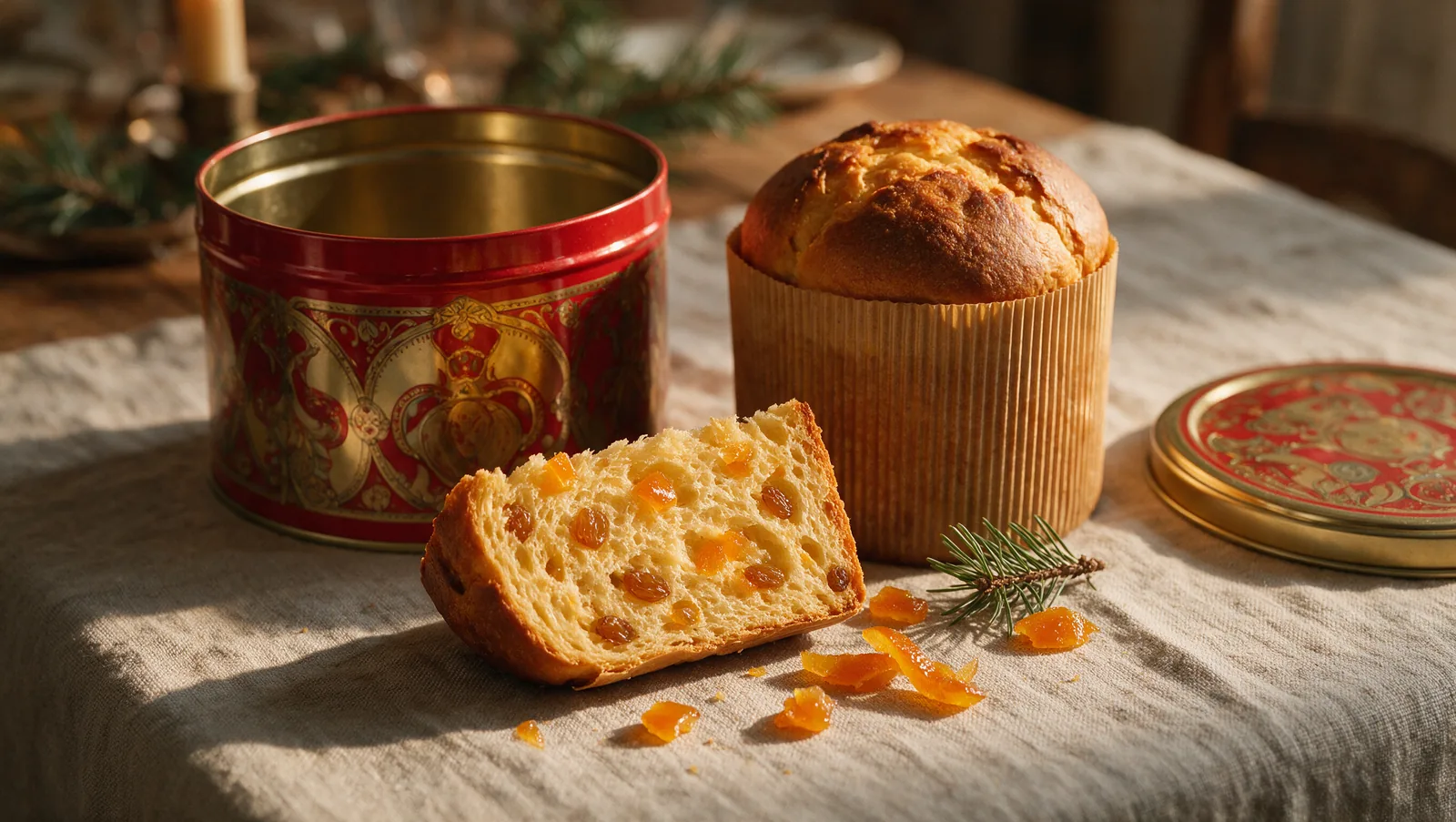
Панетоне, пандоро, коломба: една кутия, три сезона
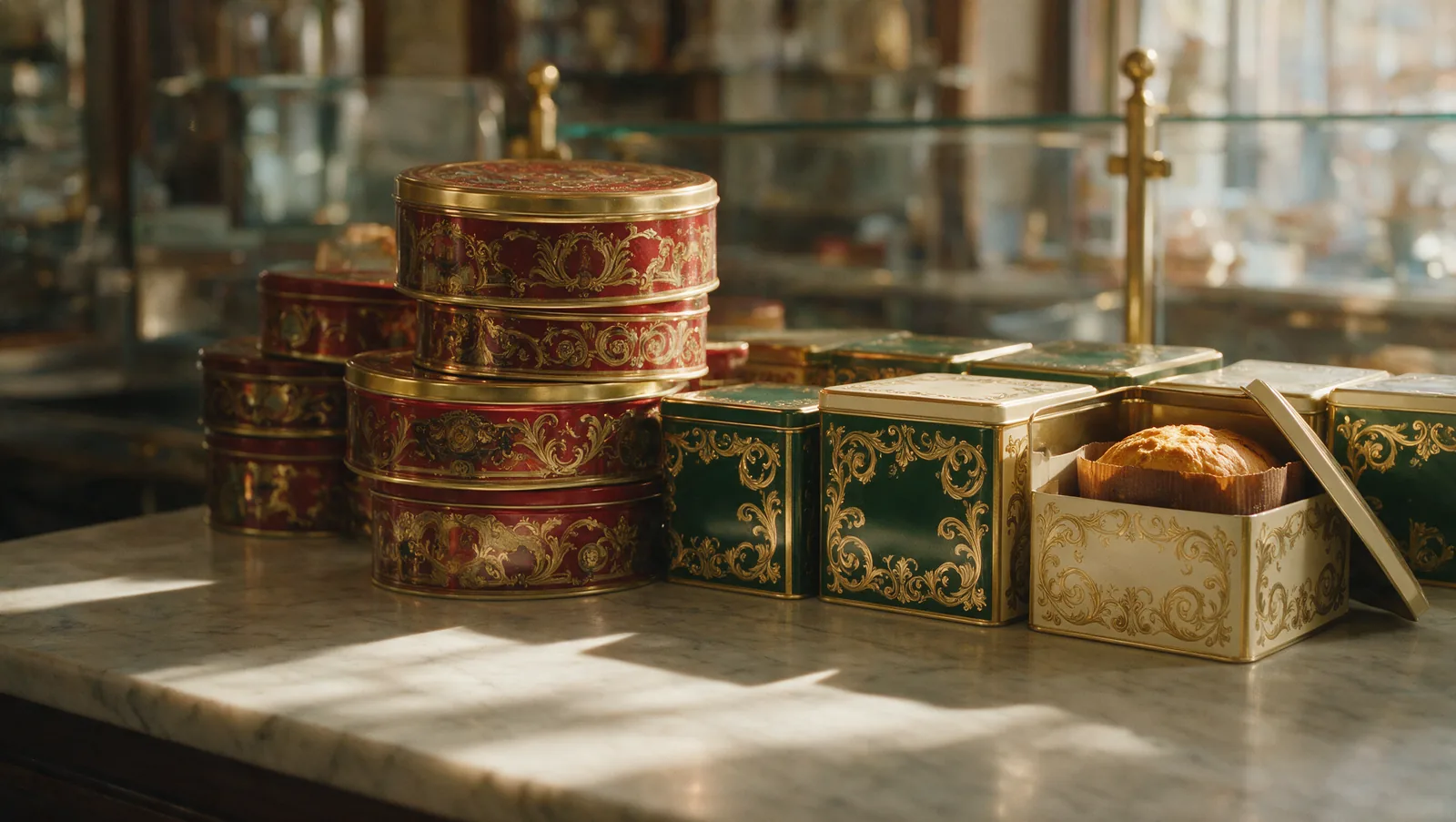
Минимум от 5000 броя за всеки дизайн и размер, прочетен сам по себе си, изглежда като число, писано за индустрията. За пекарна със среден размер първата реакция е почти винаги една и съща: това е твърде много. Числото обаче променя характера си, щом го прочетете спрямо целия календар, а не само спрямо коледния сезон. Кутията, която побира панетоне от 1 kg, побира и пандоро, а в друг формат от същото семейство побира и коломба. Щанцата не се променя, а при добре обмислен дизайн не се променя и кутията.
Един формат, три продукта
Шестте формата на Masaş за празнични сладкиши с квасно тесто се произвеждат на съществуващи щанци: кръгли Ø190, Ø215 и Ø265, квадратни 190×190, 215×215 и 235×235, всички високи, с височини от 100 до 150 mm (Ø215 и 215×215 също до 180 mm). Проектирани са около панетонето, но панетонето не е единственият сладкиш, който се побира.
Пандорото, със своето звездовидно сечение и щедра височина, заема същото вертикално пространство като панетоне от 1 kg и застава естествено в Ø215 и 215×215. Коломбата е друго нещо: ниска, широка, с криле, които се разперват навън. Естественият ѝ дом са Ø265 и 235×235 – същите формати, които на Коледа побират панетоне от 1,5 до 2 kg или подаръчен комплект от 1 kg с добавки. Венециана и лятното панетоне, все по-често срещани по италианските щандове, използват класическите формати за панетоне. Едно семейство формати следователно покрива Коледа, Великден и извънсезонните издания, винаги на една и съща щанца.
Ø215 остава ядрото на гамата, защото това е размерът за панетоне от 1 kg. Хартиената форма за печене за 1 kg е приблизително Ø165–172 × 110–125 mm, а изпеченият сладкиш се разширява с 15–25 mm над формата и се издига с купола 30–50 mm над нея. Диаметърът и височината на кутията са изчислени спрямо това, а не спрямо празната форма.
Един дизайн, три сезона
Първо неподвижната точка: минимумът е 5000–25 000 броя за всеки дизайн и размер. Всеки дизайн е отделен тираж със собствен минимум. Коледна кутия с надпис „Buon Natale“ и великденска кутия с нарисуван гълъб са два дизайна, а следователно и два тиража по 5000 броя. Това, което споделената щанца Ви дава, е нещо друго и то е конкретно: всеки сезонен тираж – 5000 кутии за панетоне през есента, 5000 кутии за коломба през зимата – излиза от една и съща щанца, без чакане за инструментална екипировка и със същите 4–6 седмици от одобрения макет.
Истинският начин 5000 броя да станат удобни за пекарна със среден размер е различен и минава през дизайна. Кутия, която не носи нито „Natale“, нито „Pasqua“, а името на пекарната, града, декоративен мотив, годината на основаване, не принадлежи на никой сезон. Един тираж от 5000 броя на един дизайн тогава обслужва панетоне през декември, коломба през април и венециана или лятно панетоне през топлите месеци: приблизително 1700 броя на сезон, от един дизайн и една поръчка.
Кутия без дата и без празник върху нея не изтича заедно с празника. Клиентът я пази в кухнята, пълни я с бисквити, подарява я отново, а Вашето име остава в дома цяла година. Ако все пак искате да смените макета от един сезон в друг, имайте предвид, че това е нов дизайн със собствен минимум, и ние ще Ви го кажем ясно преди офертата, а не след нея.
Щанцата е наша, макетът е Ваш
Това е точка, която винаги изясняваме, защото така се избягват недоразумения. Щанцата за шестте размера принадлежи на Masaş и остава в Истанбул. Вие не плащате за щанца, не притежавате такава и никога не се налага да я съхранявате или премествате. Формата на кутията не е изключителна: други пекарни и други марки могат да поръчат Ø215 при 150 mm. Макетът е изключителен: Вашият печат никога не се използва за някой друг. На практика това, което клиентът вижда на щанда – цветове, илюстрация, име – е само Ваше; това, което не вижда, бялата ламарина и начинът, по който е оформена, е споделено, и точно затова няма чакане за нова щанца.
Сравнението показва предимството. Новата щанца отнема около 8 седмици, плюс 4–6 седмици производство, тоест общо 12–14 седмици. При съществуваща щанца минавате от одобрения макет до готовите кутии за 4–6 седмици. Ако искате да държите кутията в ръцете си, преди да решите, изпращаме съществуваща кутия безплатно, неотпечатана с Вашия макет; Вие покривате само куриера.
Ако искате сезонът да е върху кутията
Някои пекарни искат кутията да казва празника и това е основателно. Има два пътя. Първият е напълно сезонен дизайн за всеки тираж, всеки със собствен минимум от 5000 броя: това има смисъл, когато само коледните обеми го оправдават. Вторият, по-подходящ за пекарна, която иска една-единствена поръчка, е несезонната кутия, облечена за случая от самата пекарна: червена панделка през декември, обвивка с гълъб през април, подаръчен етикет с годината. Украсата се сменя в работилницата, а кутията отдолу остава същата.
Всякакви варианти само на капака при непроменен корпус са въпрос за етапа на офертата, с макета и обемите на масата – а не обещание, което даваме в статия.
Календарът на поръчките
Италианските пекарни поръчват коледните кутии между февруари и юни, а кутиите за коломба между октомври и януари. Това е правилният ритъм, но не е клетка: при съществуваща щанца и 4–6 седмици от одобрения макет до готовите кутии поръчка през септември все още стига за Коледа, а поръчка, направена между октомври и януари, стига за Великден. Пекарна, която избира несезонната кутия за цялата година, постъпва добре, като я поръча в коледния прозорец, така че бройките за коломба вече да са на рафта, когато дойде Великден.
Една практическа подробност, която не променя нищо във Вашата работилница: декоративната метална кутия не е херметична. Бариерата за панетонето остава запечатаният вътрешен плик, който вече използвате. Кутията е външността, подаръкът, предметът, който остава в една кухня до следващата година; вътрешността е защитена с лак за контакт с храни, а съхранението се осигурява от плика, точно както днес.
Под 5000 броя
Под 5000 броя? Кажете ни Вашия обем и ще Ви кажем ясно какво е възможно. Минимумът остава 5000–25 000 броя за всеки дизайн и размер, но при дизайн, който не принадлежи на един-единствен празник, тези бройки се разпределят през цялата година, и точно това прави числото разумно.
Шестте формата, височините и наличните капаци са описани на нашата страница за кутии за панетоне. Ако вече имате представа за обемите си по сезони, запитването за оферта е най-бързият път към ясно число, а ако искате да разберете как работи минималното количество за метална кутия по поръчка, обясняваме го стъпка по стъпка в тази статия за минималните количества за поръчка.
Метални опаковки по поръчка
Свързани сектори
Подходящи кутии
Имате ли идея за кутия?
Кажете ни Вашата форма, размер и файлове за печат. Изпращаме оферта и безплатна мостра и отговаряме в рамките на часове.
Заявете оферта