Puszki na kawę – kompletny przewodnik dla palarni
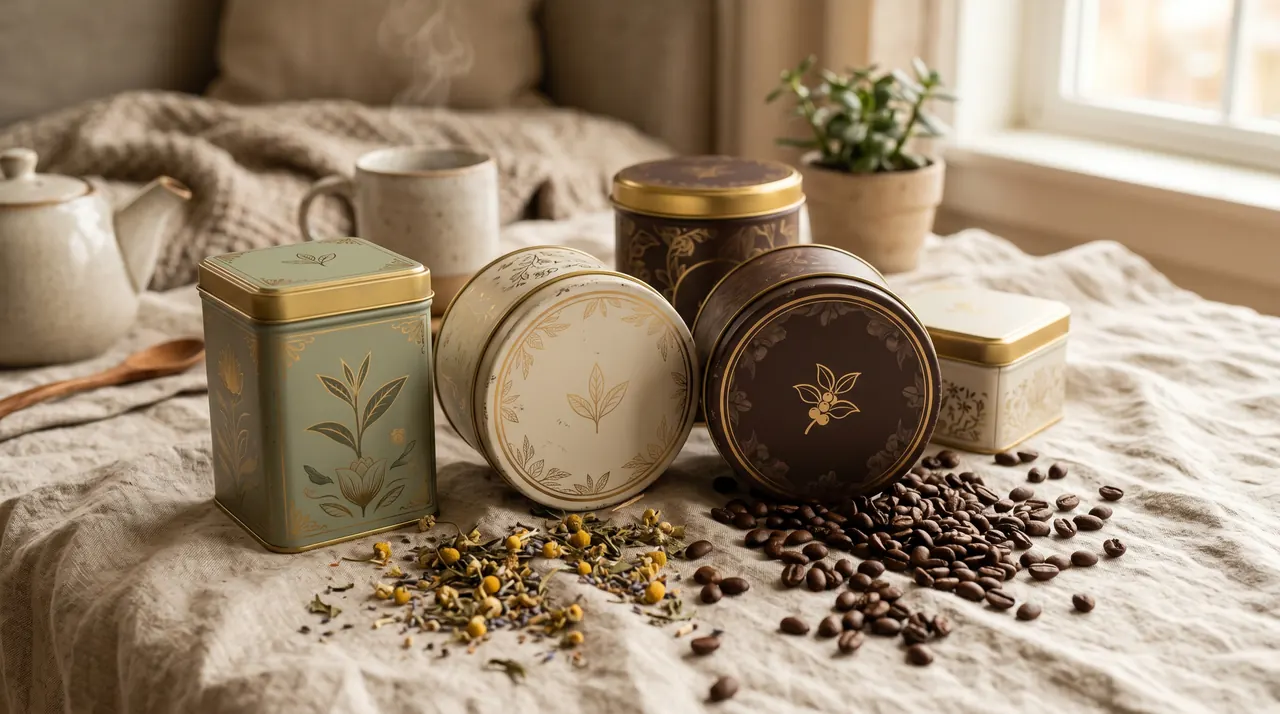
Kawa smakuje najlepiej przez krótkie, cenne okno po wypaleniu. Tlen, światło, wilgoć i powolna utrata olejków aromatycznych działają na jej niekorzyść, więc opakowanie ma tu realne zadanie do wykonania. Ten przewodnik pokazuje, dlaczego metal pasuje do kawy, jak podejść do odgazowywania oraz jak dobrać rozmiary i wieczka zarówno do ziaren, jak i do kawy mielonej.
Dlaczego puszka pasuje do kawy
Palona kawa starzeje się głównie przez utlenianie i ulatnianie lotnych związków aromatycznych. Blacha biała jest mocnym sojusznikiem na obu frontach.
- Światło: metal jest w pełni nieprzezroczysty i blokuje światło przyspieszające rozpad olejków kawowych, dlatego ziarna w przezroczystych opakowaniach tracą jakość szybciej.
- Aromat: sztywna puszka z dobrze dopasowanym wieczkiem zatrzymuje aromat kawy w środku i spowalnia dopływ świeżego powietrza, więc po otwarciu opakowanie wciąż pachnie jak palarnia.
- Ochrona: ziarna się kruszą, a kawa mielona zbija się pod naciskiem; sztywna puszka chroni jedno i drugie i wygląda nienagannie w drodze od palarni na półkę.
Metal niesie też prestiż, który liczy się na zatłoczonym rynku kaw speciality. Ciężka, chłodna w dotyku puszka sygnalizuje staranność i jakość, zanim klient spróbuje pierwszej filiżanki, a dzięki wielokrotnemu użytkowi zostaje na blacie jako codzienne przypomnienie o marce. Dobrym punktem startu do przeglądu formatów, po które palarnie sięgają najczęściej, jest nasza oferta opakowań na kawę.
Odgazowywanie: kwestia typowa wyłącznie dla kawy
Świeżo palona kawa uwalnia dwutlenek węgla przez wiele dni, a nawet tygodni – proces ten nazywa się odgazowywaniem. W całkowicie szczelnym, hermetycznym pojemniku gaz nie ma ujścia i rośnie ciśnienie, dlatego wiele palarni używa giętkich torebek z wentylem jednokierunkowym. Puszka ozdobna nie jest hermetycznym zbiornikiem ciśnieniowym i zwykle jest to zaleta, a nie wada: wieczko wciskane lub zawiasowe pozwala niewielkiej ilości gazu ujść naturalnie, zamiast go więzić. Zależnie od świeżości kawy w momencie pakowania rozsądne są dwie drogi:
- Pakowanie po głównym oknie odgazowywania lub przy dłuższym planie sprzedaży, tak aby puszka chroniła kawę na półce.
- Puszka jako opakowanie zewnętrzne, z kawą w wewnętrznej torebce z wentylem lub zgrzewanej saszetce, która zarządza odgazowywaniem, podczas gdy puszka odpowiada za branding, ochronę przed światłem i wartość wielokrotnego użytku.
Właściwy wybór zależy od czasu między wypałem a półką, więc warto podjąć tę decyzję przed ostatecznym ustaleniem formatu.
Rozmiary dla ziaren i kawy mielonej
Formaty kawy skupiają się wokół znanych gramatur detalicznych, a puszkę należy zwymiarować tak, by wypełniała się równo – na wpół pusta puszka wygląda na niedopełnioną i wpuszcza więcej powietrza.
- 250 g to podstawowy rozmiar detaliczny dla ziaren i kawy mielonej; dobrze wypełnia go cylinder średniej wysokości.
- 500 g pasuje stałym klientom i subskrypcjom; wyższa puszka zachowuje zwartą podstawę na półce.
- Rozmiary próbne i prezentowe około 100–125 g sprawdzają się przy zestawach degustacyjnych i edycjach sezonowych.
Całe ziarna potrzebują nieco więcej przestrzeni nad produktem i szerszego otworu do wygodnego przesypywania, natomiast kawa mielona jest gęstsza i zyskuje na czystym otworze, do którego miarka sięga bez rozsypywania. Naturalnym wyborem dla obu są formaty cylindryczne; nasze puszki okrągłe dają łatwe przesypywanie i szeroki otwór, których kawa potrzebuje. Objętość wewnętrzną warto dopasować do docelowej gramatury, aby puszka wypełniała się do satysfakcjonującego poziomu.
Wieczka godzące świeżość z codziennym użyciem
Wieczko decyduje o tym, jak klient obcuje z kawą na co dzień.
- Wewnętrzne wieczko wciskane plus ozdobne wieczko zewnętrzne: szczelne codzienne zamknięcie z kliknięciem klasy premium, idealne, gdy kawa jest pakowana po głównym oknie odgazowywania.
- Wieczko zawiasowe: wygodne rozwiązanie dla puszki otwieranej każdego ranka, w której wieczko nigdy się nie gubi.
- Wieczko zakręcane: najpewniejsze zamknięcie dla kawy mielonej, przy której ograniczenie dostępu powietrza między parzeniami liczy się najbardziej.
Obecność premium na półce i branding
Kawa speciality sprzedaje się poprzez historię i rzemiosło, a metal jest znakomitym płótnem dla obu. Druk offsetowy na blasze białej daje głębokie, trwałe kolory, a powierzchnia przyjmuje lakiery matowe i błyszczące, farby metaliczne oraz tłoczenie łapiące światło. Ponieważ grafika leży pod lakierem ochronnym, a nie na etykiecie, opiera się przetarciom i wilgoci kuchni bez odklejania. Kilka decyzji, które pomagają wyróżnić linię kaw:
- Jeden kształt puszki w całej ofercie i zmiana samej grafiki sprawiają, że kawy single origin i mieszanki czytają się jak rodzina.
- Tłoczone logo lub pieczęć dają namacalny, rzemieślniczy charakter, który nagradza wzięcie puszki do ręki.
- Daty wypału i numery partii lepiej umieszczać na małej etykiecie lub wyznaczonym polu, aby główny projekt nie zmieniał się między seriami.
Jak pomóc klientowi dobrze przechowywać kawę
Opakowanie chroni kawę na półce, ale o tym, jak starzeje się ona w domu, decyduje klient, a puszka daje szansę, by go poprowadzić. Sztywna, nieprzezroczysta puszka rozwiązuje już największy problem – światło – a dobrze dopasowane wieczko spowalnia wymianę powietrza przy każdym otwarciu. Krótka wskazówka na opakowaniu wzmacnia wartość formatu i utrzymuje smak kawy zgodny z zamierzeniem:
- Puszkę trzymaj zamkniętą, z dala od bezpośredniego słońca i ciepła kuchenki.
- Przechowuj ją w chłodnym, suchym miejscu, a nie w lodówce, gdzie skropliny i obce zapachy przenikają do kawy.
- Wybieraj rozmiar zużywany w kilka tygodni, aby kawa była pita w szczycie świeżości.
Nic z tego nie zmienia specyfikacji puszki, ale zamienia opakowanie w część rytuału i daje klientowi powód, by je uzupełniać – i by znów sięgnąć po tę samą markę.
Planowanie zamówienia
Puszki na kawę z indywidualnym drukiem offsetowym wiążą się z jednorazowym oprzyrządowaniem i minimalną wielkością zamówienia, zwykle około 5 000–25 000 sztuk na wzór i rozmiar. Kształt, który już posiadamy, pozwala uniknąć nowego oprzyrządowania i może obniżyć efektywne minimum, co odpowiada pierwszej serii lub limitowanemu wypałowi sezonowemu. Znając docelową gramaturę i wieczko, można przejrzeć katalog w poszukiwaniu odpowiedniego kształtu, a my pomożemy dopasować objętość wewnętrzną i wykończenie do konkretnej kawy.
Opakowania metalowe na zamówienie
Powiązane branże
Pasujące puszki
Mają Państwo puszkę na oku?
Wystarczy podać kształt, rozmiar i grafikę. Prześlemy wycenę i bezpłatną próbkę, odpowiadając w ciągu kilku godzin.
Zapytaj o wycenę