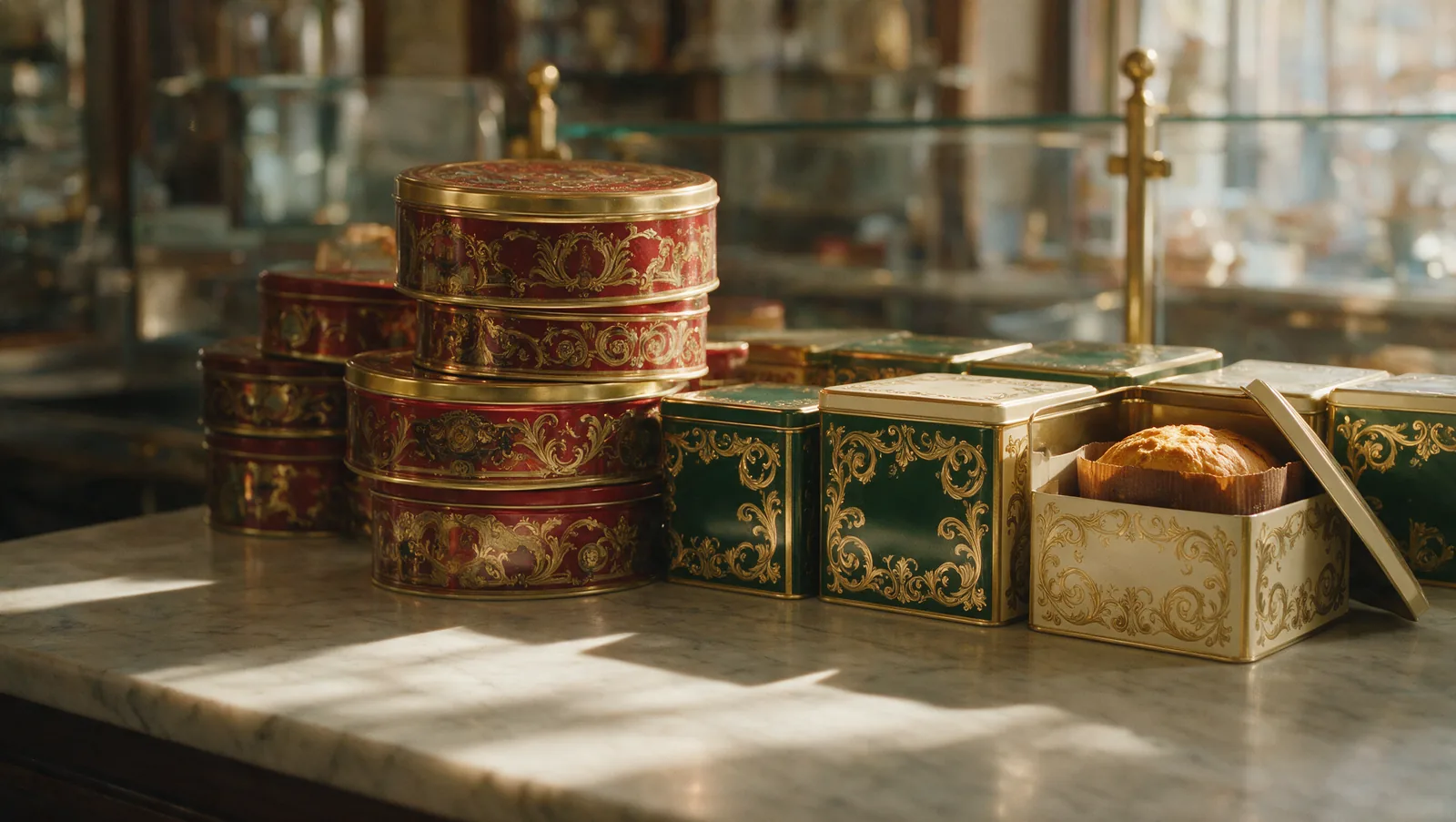
Scatole regalo e PPWR: la minimizzazione dal 2030
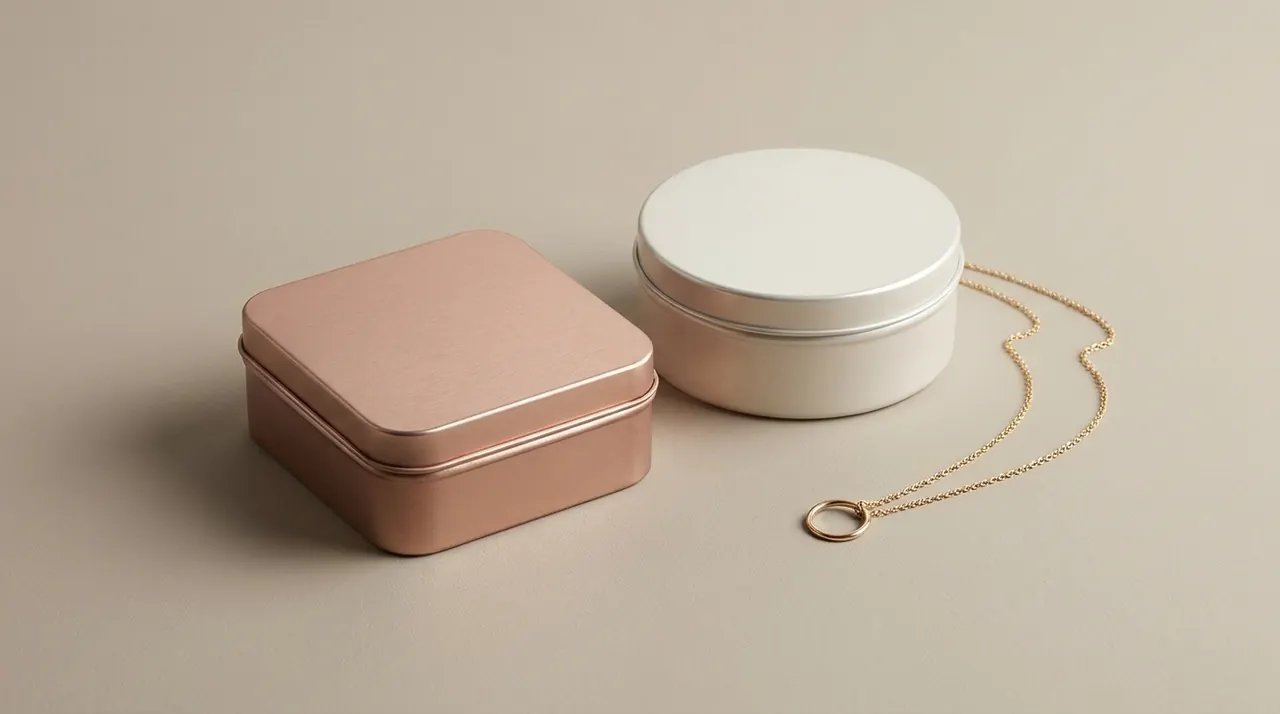
Dal 1 gennaio 2030 l'articolo 10 del PPWR impone di ridurre l'imballaggio al peso e al volume minimi necessari alla sua funzione, e vieta le caratteristiche il cui unico scopo è far sembrare il prodotto più grande: doppie pareti, fondi finti, strati superflui. Noi facciamo scatole regalo decorative. Parte di ciò che fa una scatola regalo è in quell'elenco.
Quindi: cosa cambia, cosa è difendibile, cosa smettere di fare. Si veda anche cosa deve sapere sul PPWR chi acquista imballaggi.
Cosa dice l'articolo 10, e quando
Art. 10(1), dal 1 gennaio 2030: il peso e il volume sono ridotti al minimo necessario a garantire la funzionalità, tenuto conto della forma e del materiale. Art. 10(2): l'imballaggio non può essere immesso sul mercato se non soddisfa i criteri dell'Allegato IV, o se ha caratteristiche volte solo ad aumentare il volume percepito del prodotto, comprese doppie pareti, fondi finti e strati superflui.
La data conta quanto il testo. L'articolo 10 oggi non è in vigore. Il Regolamento (UE) 2025/40 si applica dal 12 agosto 2026, ma fino al 31 dicembre 2029 la minimizzazione è disciplinata dalla EN 13428:2004 nell'ambito della Direttiva 94/62/CE. Le pagine sulla compliance dicono altro, e alcune citano una cifra e una data per la distinta regola sullo spazio vuoto che il testo non sostiene.
Cosa è sopravvissuto per l'imballaggio regalo
L'Allegato IV, parte A, punto 4 richiede che il progetto garantisca la funzionalità "tenendo conto della finalità del prodotto e delle particolarità che ne determinano la vendita, come le vendite a fini di regalo o in occasione di eventi stagionali". È di questo che vive una scatola regalo in metallo, e non è un'esenzione: l'Art. 10(4) e l'Allegato IV parte B vogliono, per ciascun criterio, il requisito di progetto che impedisce un'ulteriore riduzione. Argomentato, imballaggio per imballaggio.
Due giustificazioni consuete non ci sono più. L'accettazione del consumatore e il marketing sono stati eliminati come motivazioni (considerando 60, e la guida lo dice esplicitamente). "Ai clienti piace come sta" non è una difesa.
L'esenzione che quasi nessuno può usare
L'Art. 10(2)(a) esenta l'imballaggio protetto da un disegno o modello o da un marchio di forma registrato, ma solo se il diritto era protetto prima dell'11 febbraio 2025, e solo se l'articolo 10 ne distruggerebbe la novità o il carattere distintivo. I diritti registrati dopo non ottengono nulla, e la maggior parte delle marche non ne ha mai registrato uno. Copre solo la minimizzazione: non la riciclabilità, l'etichettatura, le PFAS, i metalli pesanti, l'EPR.
Cosa cambieremmo su una scatola
Difendibile, perché la caratteristica svolge un lavoro che si può indicare:
- Un coperchio che richiude. I coperchi a incastro e a tappo interno tengono chiusa la confezione dopo l'apertura. I nostri tipi di coperchio differiscono per quanto metallo richiedono, il che ora è una scelta di progetto, non solo di costo.
- Spessore di parete e profondità che proteggono il contenuto. L'Art. 10(1) chiede il minimo che garantisca la funzionalità.
- Il rilievo e la superficie stampata. La decorazione sul metallo non aggiunge strati né volume.
- Una busta interna sigillata quando il prodotto ha bisogno di una barriera. Una scatola decorativa non è ermetica. Uno strato che regge la shelf life serve; uno che riempie spazio no.
Più difficile da difendere, e le facciamo tutte:
- Doppie pelli e fondi finti. Citati nell'Art. 10(2). Quando un fondo rialzato fa leggere un riempimento da 200 g come 300 g, si toglie.
- Vassoi interni profondi con spazio di testa sopra il prodotto. Il vassoio è uno strato, lo spazio di testa è volume.
- Una fascetta o un astuccio di cartone attorno a una scatola già rigida e stampata. Lo strato superfluo più evidente.
- Coperchi con finestra e coperchi in acrilico monopezzo. L'Art. 7(5)(b) lascia una parte in plastica fuori dalle regole sul contenuto riciclato solo sotto il 5% del peso dell'unità, e la riciclabilità è classificata per unità su tutti i componenti (Art. 6(9)).
L'argomento del peso, onestamente
I contributi EPR si pagano a peso e ricadono sull'operatore stabilito nell'UE, di solito la marca. Una scatola da 250 g contro una busta accoppiata da 12 g paga molto più per unità anche con una tariffa a tonnellata più bassa, e la modulazione ecologica non può colmarlo. Chi dice che una scatola vince sull'EPR sta vendendo scatole.
Anche l'altro lato è reale. L'acciaio è un monomateriale con un flusso di raccolta separata consolidato nell'UE, e l'84% degli imballaggi in acciaio immessi sul mercato dell'UE è stato riciclato nel 2024 (Steel for Packaging Europe, metodo armonizzato UE). È un fatto sull'acciaio, non sulla vostra confezione: la classe è valutata sull'intera unità, quindi nastri, inserti in cartone e finestre restano da difendere a voi (si veda le scatole di latta sono riciclabili). Né sosterremo che il PPWR fa crescere la domanda di metallo. La linea difendibile è più stretta: penalizza la complessità, e l'acciaio è semplice.
Cosa resta ancora da scrivere
I criteri e le classi di progettazione per il riciclo vengono da un atto delegato atteso entro il 1 gennaio 2028, e dal 1 gennaio 2030 l'imballaggio sotto la classe C non potrà essere immesso sul mercato. Nessuno può indicare oggi una classe, noi compresi. La norma sulla minimizzazione e la metodologia sullo spazio vuoto non sono pubblicate. Gli atti sull'etichettatura non sono adottati, quindi la data del 12 agosto 2028 è condizionata: quella data o 24 mesi dall'entrata in vigore di quegli atti, se successiva. Una scatola attrezzata oggi per il 2030 porta un rischio che nessuno può quantificare.
Cosa decidere adesso
Decidete adesso, finché costa poco: dimensionate la scatola sul riempimento, non sullo scaffale; pesate ogni componente non in acciaio e chiedete a cosa serve; scrivete la giustificazione dell'Allegato IV parte B mentre il ragionamento è fresco. Rimandate a quando arriveranno i criteri: le dichiarazioni di classe, i conti sullo spazio vuoto, la grafica delle etichette. E non appoggiatevi al riutilizzo: tenere una scatola non è riutilizzo ai sensi del PPWR, e nessun obiettivo dell'Art. 29 arriva alle scatole alimentari del retail.
Un ultimo punto su di chi è questo compito. Su una scatola stampata con il marchio, il fabbricante PPWR è la marca, non lo stabilimento: l'Art. 3(1)(13)(a) mette quel ruolo in capo a chi fa fabbricare l'imballaggio con il proprio nome o marchio. Il nostro dovere è l'Art. 16: darvi ciò che serve al fascicolo dell'Allegato VII, pesi e componenti e la ragione di ogni caratteristica. La giustificazione dell'articolo 10 è vostra. Se volete quella conversazione prima che venga tagliato lo stampo, chiedeteci un preventivo e citate il PPWR.
Domande frequenti
Il PPWR vieta le scatole regalo decorative?
No. Dal 1 gennaio 2030 l'Art. 10(1) riduce peso e volume al minimo necessario alla funzionalità, e l'Art. 10(2) vieta le caratteristiche il cui unico scopo è aumentare il volume percepito, citando doppie pareti, fondi finti e strati superflui. La finalità di regalo e di stagione è un criterio dell'Allegato IV, parte A, punto 4, ma va argomentata e documentata.
La regola sulla minimizzazione è già in vigore?
No. Il Regolamento (UE) 2025/40 si applica dal 12 agosto 2026, ma l'articolo 10 ha effetto dal 1 gennaio 2030. Fino al 31 dicembre 2029 la minimizzazione è disciplinata dalla EN 13428:2004 nell'ambito della Direttiva 94/62/CE.
Possiamo usare l'esenzione da disegno o modello per la forma della nostra scatola?
Solo se il diritto era protetto prima dell'11 febbraio 2025, e solo se l'articolo 10 ne distruggerebbe la novità o il carattere distintivo. I diritti registrati dopo non ottengono nulla, e copre solo la minimizzazione, non la riciclabilità, l'etichettatura, le PFAS, i metalli pesanti, l'EPR.
Doppie pareti e fondi finti devono sparire?
L'Art. 10(2) li cita quando lo scopo è solo aumentare il volume percepito. Un fondo che tiene fermo un inserto è un requisito di progetto che potete spiegare con l'Art. 10(4) e l'Allegato IV parte B. Un fondo rialzato che fa sembrare più grande il riempimento è il bersaglio.
I nostri clienti tengono le nostre scatole. È riutilizzo ai sensi del PPWR?
No. L'Art. 11(1) fissa nove criteri cumulativi per l'imballaggio riutilizzabile, e l'Art. 26 richiede un sistema di riutilizzo con un incentivo alla raccolta. Tenere una scatola è positivo; non è una dichiarazione di riutilizzo PPWR. E nessun obiettivo di riutilizzo dell'Art. 29 si applica alle scatole alimentari del retail.
Imballaggi in latta personalizzati
Settori correlati
Scatole in latta adatte
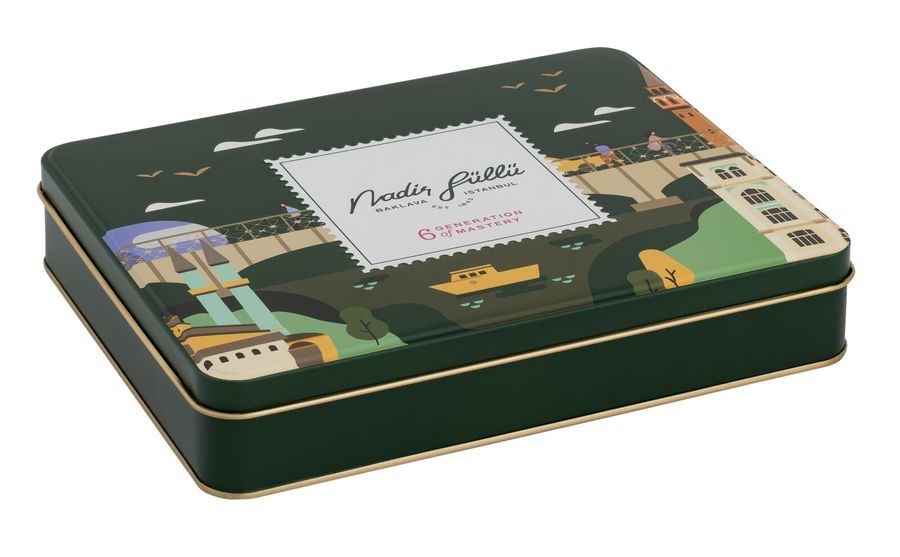
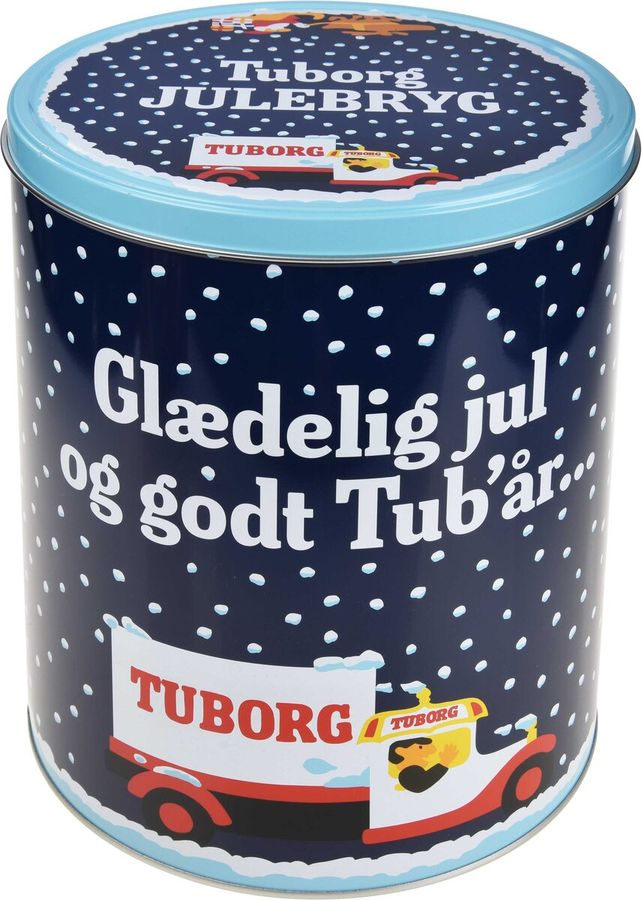
Avete in mente una latta?
Indicateci forma, formato e grafica. Inviamo un preventivo e un campione gratuito, e rispondiamo entro poche ore.
Richiedi un preventivo