
PPWR: tənəkə tədarükçünüz nə verə bilər, nə yox
2025/40 saylı Aİ Reqlamenti, yəni PPWR, 12 avqust 2026-dan tətbiq olunur (Maddə 71). O vaxtdan Aİ brendləri tədarükçülərə sorğular göndərir: imzalanacaq bəyannamələr, əlavə ediləcək sertifikatlar, daxil ediləcək qeydiyyat nömrələri.
Həmin sətirlərin bir qismini tənəkə istehsalçısı arxasında sınaq məlumatı ilə tam cavablandıra bilər. Bir qismini bəyannamə ilə cavablandıra bilər, bir şərtlə ki, bəyannamənin nəyə əsaslandığını açıq desin. Bir qismini isə ümumiyyətlə cavablandıra bilməz və buna baxmayaraq onları imzalayan tədarükçü Sizin probleminizi həll etməyib: Sizin adınızı daşıyan bir məsuliyyət yaradıb. Biz hər məhsul üzrə PPWR texniki sənəd paketini qida ilə təmas və təkrar emal bəyannamələri ilə birlikdə saxlayır və qutu təyin olunarkən onu Sizinlə birlikdə nəzərdən keçiririk. Daha geniş mənzərə qablaşdırma alıcılarının PPWR haqqında bilməli olduqları yazısındadır.
Tənəkə istehsalçısının Sizə verə biləcəkləri
- Komponent səviyyəsində material siyahısı. Polad növü və qalınlığı, qalay örtüyünün çəkisi, daxili lak, xarici boyalar və laklar, habelə hər qeyri-polad komponent: kipgəclər, pəncərələr, sinilər, üzlüklər, lentlər - qramla çəkilmiş halda. Qramların əhəmiyyəti var: Maddə 6(9) təkrar emal oluna bilməni bütün komponentlər üzrə vahid başına qiymətləndirir və 2030-cu ildən Maddə 7 vahid çəkisinin 5%-dən azını təşkil etmədiyi halda istənilən plastik hissəyə çatır (Maddə 7(5)(b)).
- Akkreditə olunmuş miqrasiya sınağı və onun ətrafında aydın sərhəd. Laklanmış qutu üzrə ISO/IEC 17025 akkreditasiyalı qida ilə təmas hesabatlarımız var: metalların xüsusi miqrasiyası, bisfenol A-nın xüsusi miqrasiyası və üç simulyantda ümumi miqrasiya. Bu, qidaya miqrasiyadır. Maddə 5(4) isə fərqli sual verir: o, qurğuşun, kadmium, civə və altıvalentli xromun cəmini qablaşdırma və onun komponentləri üzrə məzmun olaraq 100 mq/kq ilə məhdudlaşdırır, yəni boyalar, laklar və kipgəclər hesaba daxildir və metal üçün heç bir istisna yoxdur. Komissiyanın bunun üçün metodu CEN hesabatı CR 13695-1:2000-dir. Bu cəm üzrə mövqeyimiz nəzarətli təchizata və tədarükçü bəyannamələrinə əsaslanır və biz aparmadığımız məzmun təyinatını eyham etmək əvəzinə bunu açıq deyirik.
- PFAS üzrə mövqeyimiz və onun dəqiq nəyə əsaslandığı. Maddə 5(5) hədəflənmiş analizlə tək PFAS üçün 25 ppb, cəm üçün 250 ppb və polimer PFAS daxil olmaqla 50 ppm müəyyən edir. Qutuda o, poladda deyil, lakda və vernikdə olur. Daxili örtüyümüz PFAS qəsdən əlavə edilməyən (non-intent) kimi təyin olunur və tədarük edilir, örtük istehsalçısının bəyannaməsi isə sənəddə saxlanılır; bu, ölçülmüş deyil, bəyan edilmiş mövqedir. Hələ harmonizə edilmiş Aİ sınaq metodu yoxdur və Komissiyanın ilkin yoxlaması 50 mq/kq ümumi flüordan başlayır; sənədiniz rəqəm tələb edirsə, bu, konkret quruluş üzrə sifariş oluna bilər. Bunlar qadağa deyil, hədlərdir, ona görə də biz «PFAS-free» yazmayacağıq və tədarükçü bəyannaməsini laboratoriya sübutu kimi təqdim etməyəcəyik.
- 1935/2004 saylı Aİ Reqlamenti üzrə qida ilə təmas bəyannaməsi və dəqiq BPA mövqeyi: 2024/3190 saylı Reqlament üzrə əsas keçid dövrü 20 iyul 2026-da başa çatdı, metal məmulatlarda yalnız xarici səthdə BPA əsaslı örtüklər və bəzi konservləşdirilmiş meyvə, tərəvəz və balıq tətbiqləri üçün isə müddət 20 yanvar 2028-ə, doldurma üçün 20 yanvar 2029-a qədərdir.
- Ölçü və boş həcm məlumatları minimallaşdırma sənədiniz üçün. 1 yanvar 2030-dan Maddə 10(2) yalnız qavranılan həcmi artırmağa yönəlmiş elementləri qadağan edir: ikiqat divarlar, yalançı diblər, lazımsız qatlar. IV Əlavə, A hissəsi, 4-cü bənd hədiyyə və mövsümi məqsədi meyar kimi saxlayır, lakin bu, əsaslandırılmalı və sənədləşdirilməlidir; istehlakçı qəbulu və marketinq çıxarılıb (60-cı preambula bəndi). Əsaslandırma Sizin üzərinizdədir.
Tənəkə istehsalçısının Sizə verə bilmədikləri
- Aİ uyğunluq bəyannaməsi. Maddə 39 deyir ki, onu istehsalçı tərtib edir, Maddə 3(1)(13)(a) üzrə isə istehsalçı qablaşdırmanı öz adı və ya ticarət nişanı altında hazırlatdıran şəxsdir. Komissiyanın təlimatı: təchizat zəncirində həmişə yalnız bir istehsalçı olur. Brend çaplı qutu üçün bu, Sizsiniz. Bizim öhdəliyimiz Maddə 16-dır: onu tərtib etməyiniz üçün lazım olan hər şeyi Sizə vermək. Öz adımızla satılan çapsız qutular istisnadır; orada Maddə 15 bizim üzərimizdədir.
- EPR qeydiyyatı. O, Aİ tərəfindəki operatorun üzərindədir; Aİ-dən kənar tədarükçü Sizin əvəzinizə qeydiyyatdan keçə bilməz. Siz həm də idxalçısınız: Maddə 18(2) Maddə 38 üzrə qiymətləndirmənin istehsalçı tərəfindən aparıldığını və VII Əlavə üzrə sənədin mövcudluğunu yoxlamağınızı tələb edir, Maddə 18(3) isə Sizin adınızı qablaşdırmanın üzərinə qoyur.
- Səlahiyyətli nümayəndə. Maddə 17 üzrə bu, könüllüdür və Türkiyədən Aİ brendinə B2B satış onu tələb etmir. Tələ Maddə 21-dir: qablaşdırmanı öz adı altında satan və ya onu dəyişdirən idxalçı yaxud distribyutor istehsalçıya çevrilir.
- Təkrar emal dərəcəsi. Meyarları və dərəcələri müəyyən edən, 1 yanvar 2028-dək qəbul edilməli olan deleqasiya olunmuş aktdan (Maddə 6(4)) əvvəl heç kim onu verə bilməz. A, B və C dərəcələri müvafiq olaraq 95%, 80% və 70% və daha yuxarı səviyyədədir, bütün komponentlər üzrə vahid başına qiymətləndirilir (Maddə 6(9)) və 2030-cu ildən C-dən aşağı olan bazara çıxarıla bilməz. Deyilməsi təhlükəsiz olan budur: polad qablaşdırma Aİ-də ayrıca axın kimi təkrar emal olunur və 2024-cü ildə Aİ bazarına çıxarılan polad qablaşdırmanın 84%-i təkrar emal edilib (Steel for Packaging Europe, Aİ-nin harmonizə edilmiş metodu). Bu, materiala aiddir, Sizin vahidiniz üçün dərəcə deyil.
- «PPWR sertifikatı». Belə bir şey yoxdur: CE nişanı yoxdur (109-cu preambula bəndi), akkreditə olunmuş qurum yoxdur, sxem yoxdur, nişan yoxdur. Uyğunluğun qiymətləndirilməsi VII Əlavə, Modul A - daxili istehsal nəzarətidir və istehsalçı tərəfindən özü qiymətləndirilir. PPWR sertifikatı satan hər kəs heç nə satır.
- PPWR sübutu kimi təkrar emal olunmuş məzmun faizi. Maddə 7 plastik qablaşdırmada minimum təkrar emal olunmuş məzmunu əhatə edir və hər əməli bənd plastik hissələrlə məhdudlaşır. PPWR-də heç bir yerdə metal üçün təkrar emal olunmuş məzmun faizi yoxdur. Zavodun poladın skrap məzmunu barədə dediyini bildirə bilərik, lakin bu, material faktıdır, PPWR tələbinin sübutu deyil, çünki metal üçün belə bir tələb yoxdur.
Qarşısı alınmalı uğursuzluq halı
Arxasında heç nə olmayan imzalanmış bəyannamə heç bir bəyannamədən pisdir. O, sualı Sizin sənədinizdə bağlayır, faktda isə bağlamır və öhdəliyi yerindən tərpətmir: Maddə 18(2) yoxlamanı yenə Sizin üzərinizə qoyur və istehsalçı sorğu daxil olduqdan sonra 10 gün ərzində milli səlahiyyətli orqana sənədləri təqdim etməlidir. Sınaq məlumatları və çəkilər bu sorğudan sağ çıxır. Heç kimin qanuni şəkildə verə bilməyəcəyi imza isə yox.
Tənəkə tədarükçünüzdən nə istəməli
Bunu növbəti e-poçtunuza köçürün. Hər sətir istənilən tənəkə zavoduna, bu zavod da daxil olmaqla, verilə bilən ədalətli sualdır.
- Hər komponenti qramla çəkilmiş material siyahısı.
- Metodu adı çəkilməklə, bütün vahid üzrə Maddə 5(4) cəmi üçün ağır metal nəticələri.
- Maddə 5(5) hədlərinə qarşı lak və vernik üzrə ümumi flüor və PFAS məlumatları, «PFAS-free» ifadəsi olmadan.
- 1935/2004 saylı Aİ Reqlamenti üzrə bəyannamə və tarixli BPA mövqeyi.
- Ölçülər, boş həcm və daxili element çəkiləri.
- Yazılı şəkildə: Maddə 3(1)(13)(a) üzrə istehsalçının kim olduğunu düşündükləri. Brend çaplı qutuda bu, Siz deyilsinizsə, səbəbini soruşun.
Biz altısının da cavabını veririk və hansı cavabın sınaq hesabatı, hansının bəyannamə olduğunu qeyd edirik. PFAS üzrə bu gün dürüst cavab örtük spesifikasiyası və örtük istehsalçısının bəyannaməsidir; sənədiniz ölçülmüş rəqəm tələb edirsə, ümumi flüor sınağı əlçatandır. Aİ üçün qutu təyin edirsinizsə, təklif istəyin.
Tez-tez verilən suallar
Tənəkə tədarükçümüz Aİ uyğunluq bəyannaməsini bizim əvəzimizə imzalaya bilərmi?
Sizin brendinizlə çap olunmuş qutu üçün yox. Maddə 3(1)(13)(a) üzrə istehsalçı qablaşdırmanı öz adı və ya ticarət nişanı altında hazırlatdıran şəxsdir və Komissiyanın təlimatına görə təchizat zəncirində yalnız bir istehsalçı olur. Maddə 39 üzrə bəyannamə Sizindir; tədarükçünün öhdəliyi isə Maddə 16-dır.
PPWR sertifikatı deyilən bir şey varmı?
Xeyr. CE nişanı (109-cu preambula bəndi), akkreditə olunmuş qurum və sertifikatlaşdırma sxemi yoxdur. Uyğunluğun qiymətləndirilməsi VII Əlavə, Modul A - daxili istehsal nəzarətidir və istehsalçı tərəfindən özü qiymətləndirilir.
Tədarükçü qutumuzun təkrar emal dərəcəsini bizə deyə bilərmi?
Xeyr. Meyarları və dərəcələri müəyyən edən deleqasiya olunmuş akt 1 yanvar 2028-dək qəbul edilməlidir (Maddə 6(4)). A, B və C dərəcələri müvafiq olaraq 95%, 80% və 70% və daha yuxarı səviyyədədir və bütün komponentlər üzrə vahid başına qiymətləndirilir (Maddə 6(9)).
PPWR polad qutuda təkrar emal olunmuş məzmun tələb edirmi?
Xeyr. Maddə 7 plastik qablaşdırmada təkrar emal olunmuş məzmunu əhatə edir və hər əməli bənd plastik hissələrlə məhdudlaşır. İstənilən plastik komponent 2030-cu ildən əhatə dairəsinə düşür, əgər vahid çəkisinin 5%-dən azını təşkil etmirsə (Maddə 7(5)(b)). Maddə 7(15) qeyri-plastik materialların 12 fevral 2032-dək nəzərdən keçirilməsini tələb edir.
Tənəkə tədarükçüsündən hansı PFAS sübutunu istəməliyik?
Üç ayrı şey istəyin və Sizə hansının verildiyini soruşun: örtük spesifikasiyası, örtük istehsalçısının bəyannaməsi və istənilən laboratoriya məlumatı. Maddə 5(5) hədləri tək PFAS üçün 25 ppb, cəm üçün 250 ppb və polimer PFAS daxil olmaqla 50 ppm-dir. Hələ harmonizə edilmiş Aİ sınaq metodu yoxdur, ona görə hesabat varsa, hansı metodun istifadə olunduğunu soruşun.
Fərdi tənəkə qablaşdırma
Əlaqəli sektorlar
Uyğun tənəkə qutular
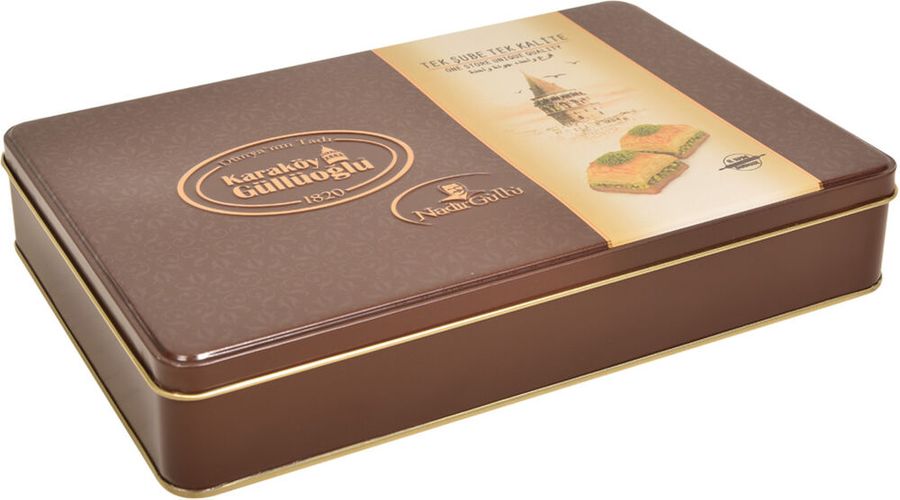
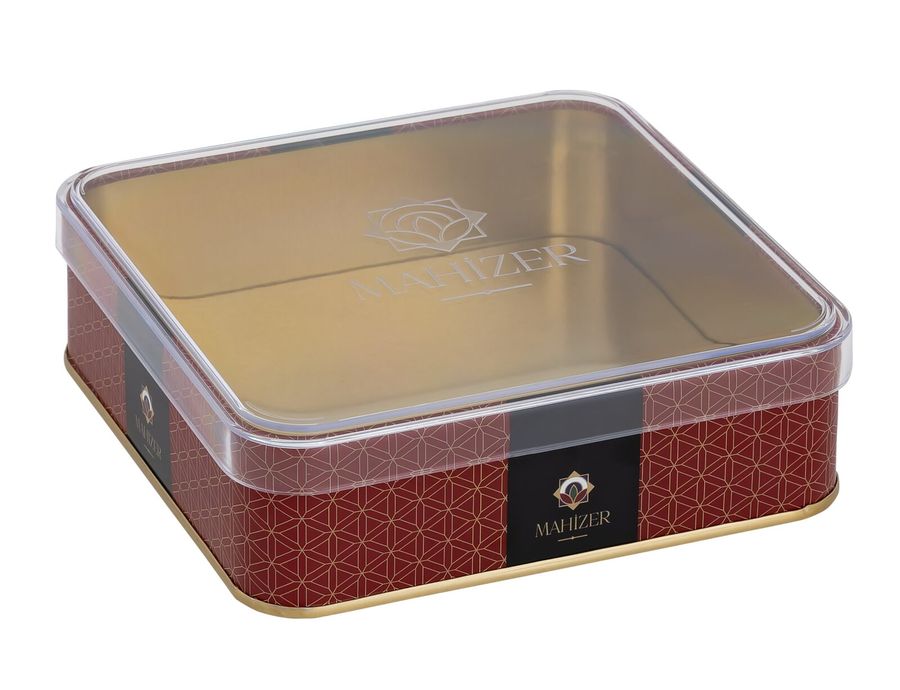
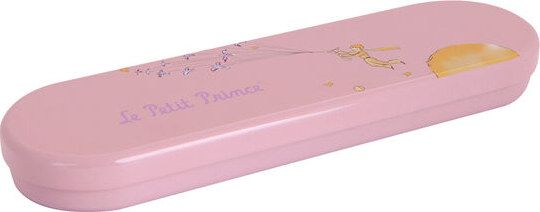
Ağlınızda bir qutu var?
Formanızı, ölçünüzü və dizayn faylınızı bizə deyin. Təklif və pulsuz nümunə göndəririk, cavabımız isə saatlar içindədir.
Təklif istəyin