
Packaging and tin box manufacturer since 1979
Design, tooling, offset print and forming sit in one factory, so one address answers for the quality.
When a project depends on precise tolerances, colour accuracy and delivery dates that hold, the choice of manufacturer matters more than the choice of shape or size. Masaş has operated as a tinplate packaging manufacturer in İstanbul since 1979, running design, tooling, offset printing and metal forming inside a single facility rather than coordinating between subcontractors.
That structure is the difference between a manufacturer and a trading company reselling someone else's output. Buyers who search for a tin box manufacturer are usually past the inspiration stage and evaluating who can actually produce, print and ship at the specification they need — this page explains what that production capability looks like in practice.
Masaş has manufactured decorative tinplate packaging in İstanbul since 1979 and exports to more than 50 countries. Design, tooling, offset printing, forming and food-safe lacquering are all done in our own plant. We hold moulds rather than finished printed stock, so every printed tin is formed and printed to your order. The figures below apply to anything on this page.
- Moulds we hold
- 141
- Lead time
- 4–6 weeks
- Certification
- ISO 9001 · ISO 22000
One roof, from die to finished tin
Masaş designs the tin, builds the tooling, prints the sheet metal by offset lithography and forms the finished box in the same facility. There is no handoff between a design studio, a print shop and a metal-forming subcontractor, which is where most delays, colour mismatches and dimensional errors are introduced on multi-vendor projects. Keeping every stage in-house also means tooling changes, print adjustments and forming trials can happen on the same day, inside the same conversation. For a buyer, this translates into one point of accountability instead of three.
Why a manufacturer, not a reseller
A reseller sources from whichever factory offers the best price that week, which means the factory behind your order can change between runs without notice — different tooling, different tolerances, different print calibration. Buying directly from the manufacturer means the same die, the same press and the same quality-control process produce every batch, run after run. It also shortens the chain for technical questions: artwork problems, tolerance issues or lacquer specifications go straight to the people running the press and the forming line, not through an intermediary relaying messages.
In-house tooling and die-making
Every custom tin starts with a die, and Masaş designs and builds its own tooling rather than outsourcing it. This keeps bespoke shapes, custom lid profiles and non-standard dimensions achievable without waiting on a third-party toolmaker's schedule. It also means tooling revisions during development — a lid that needs to seat more precisely, a base that needs a different draft angle — are handled internally, shortening the path from concept to first production tin.
Quality control and production capacity
Consistency across a production run depends on controlling the metal, the print and the forming process at every stage, not just inspecting finished pieces at the end. Masaş applies quality checks through printing, coating and forming so that Pantone colour, seam integrity and lid fit stay within specification from the first tin to the last. The factory's capacity supports large custom-printed runs as well as repeat orders on the moulds it already holds, which matters for brands that need a reliable partner across multiple SKUs and reorder cycles, not a one-off production job.
Exporting to 50+ countries since 1979
Nearly five decades of exporting to more than 50 countries has shaped how Masaş handles documentation, packing for long-distance freight and communication across time zones and languages — the operational details that determine whether an order actually lands on schedule. Working with international brands, distributors and co-packers across different regulatory environments has also built familiarity with the food-contact and labelling questions that come up most often; food-contact suitability is confirmed per project against the applicable regulations.
The metal we buy, and what we specify
A tin box manufacturer is only as good as the plate it starts from. We buy food-grade tinplate — steel sheet with a micron-thin electrolytic tin coating on both faces — and work in 0.22–0.28 mm across the range of formats we tool, thinner on small shallow formats and thicker on large, deep or heavily loaded ones. Gauge decides rigidity, stacking strength and freight weight, so it is a real line in the price rather than a detail. The interior lacquer is selected against the product itself, BPA non-intent lacquer is available, and a food-contact declaration for the coating can be issued on request.
Manufacturing for food brands
Most of what leaves our lines holds food: biscuits and cookies, chocolate and confectionery, coffee and tea, nuts, Turkish delight and seasonal gift assortments. That work is what ISO 22000 is for — the interior coating, the handling of printed sheet and the traceability of a batch all sit inside the food-safety system rather than beside it. Worth being plain about one thing: a decorative tin is not an airtight pack. Where a product needs a true barrier — ground coffee, some teas, anything that oxidises — the barrier is a sealed inner pouch and the tin is the protective, reusable outer.
Capacity, minimums and what a first order looks like
Our lines run up to 120,000 tins a day, which is what allows a mid-size brand and a multinational to be quoted from the same plant. The minimum is 5,000–25,000 pieces per design and size, depending on the format — below that, plate-making and press setup dominate the unit cost and neither side gets a sensible price. Production runs 4–6 weeks from approved artwork on a mould we already hold; a brand-new shape adds roughly eight weeks of tooling the first time and nothing afterwards. Before any of that, we will send a real tin from production free of charge so you can hold one — you cover only the courier.
How a tin box is manufactured, step by step
Most explanations of tin manufacturing stop at "we print and press it". Here is the actual order of operations on our lines in Tuzla, from a drawing to a pallet — nine stages, all of them ours.
- 01
Structural design and 3D proof
The tin is drawn before it is made: wall angles, corner radii, lid clearance and the depth the press can safely draw. A 3D proof shows the buyer what the finished tin will look like and tells the tool room what the die has to produce. Getting this stage right is what stops a lid fitting badly six weeks later.
- 02
Die and tool making
Our own tool room cuts the blanking and forming dies. A shape we already hold needs no new tooling; a new shape takes roughly eight weeks to tool, once, and nothing on repeat orders. Because the tool room is inside the plant, a revision after the first trial press is a conversation, not a new purchase order.
- 03
Tinplate intake and inspection
We buy food-grade tinplate — low-carbon steel sheet electrolytically coated with tin on both faces — from mill suppliers, and check each delivery for gauge, flatness and coating before it goes anywhere near a press. Masaş works in 0.22–0.28 mm across the range of formats we tool: thinner on small, shallow formats, thicker on large or heavily loaded ones.
- 04
Coating and interior lacquering
Sheets are roller-coated flat, before any printing: a base coat on the outside so the artwork sits on an even white ground, and a food-safe lacquer on the inside chosen against what the tin will hold. Each coat is oven-cured. A dry biscuit, an oily nut and an acidic preserve do not attack a coating in the same way, so the interior specification is decided per product, not per factory.
- 05
Offset printing on metal
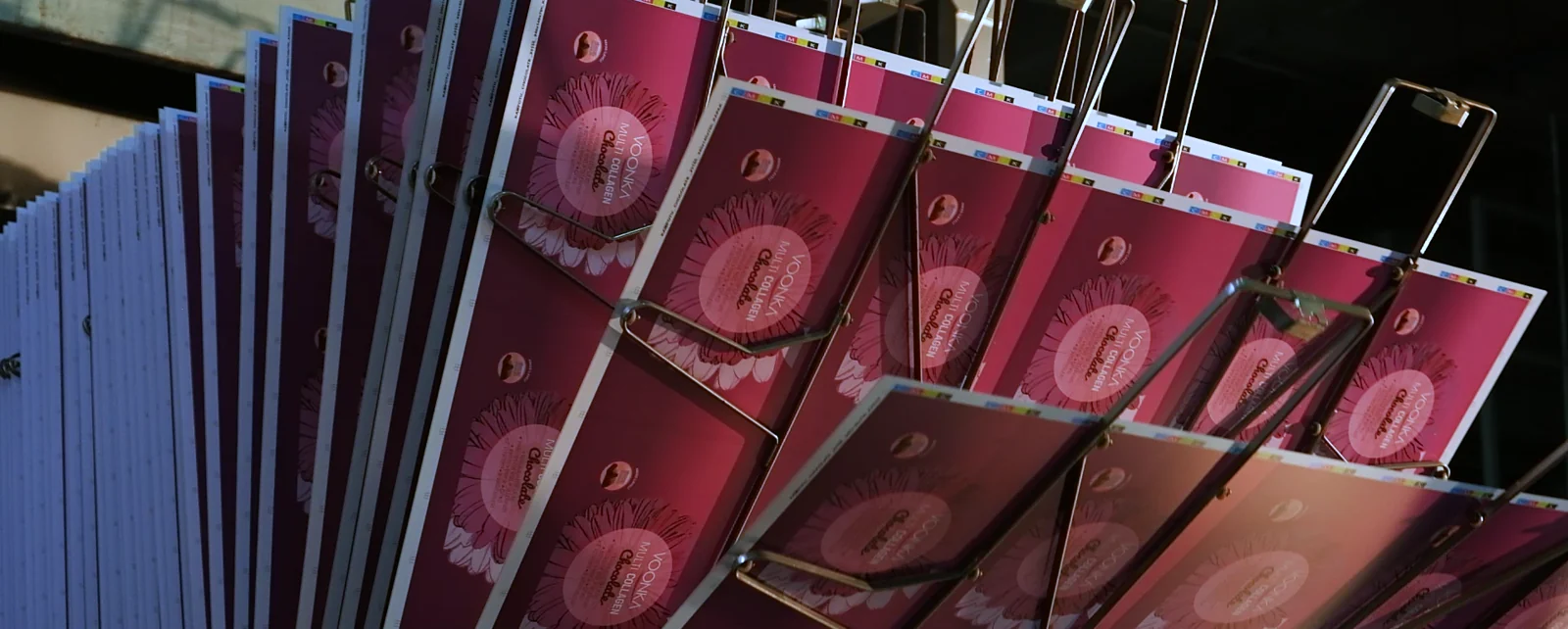
The artwork is printed litho, colour by colour, onto the coated sheet and Pantone-matched against an approved proof. Metal decorating is not paper printing: the ink has to cure onto a non-absorbent surface and then survive being stretched by a press, so every pass is oven-cured before the next one is laid down.
- 06
Varnish, embossing and finishing
An overprint varnish — matte, gloss or soft-touch — goes on last and is what actually protects the ink for the life of the tin. Spot-UV, metallic and pearlescent effects are printed at this stage; relief embossing and debossing are formed into the metal itself, either here on the flat sheet or later under the press.
- 07
Slitting and blanking
The printed sheet is cut into blanks laid out to match the die, so the printed image lands in the right place once the metal is drawn. Nesting the layout well is quiet money: it decides how much of every sheet becomes a tin and how much becomes offcut steel going back for recycling.
- 08
Press forming, curling and seaming
Blanks are drawn and stamped into bodies and lids. Edges are curled so nothing is sharp in the hand, beads are rolled in where a wall needs stiffening, and on round formats the base is double-seamed to the body. This is the stage where the tooling either holds its tolerance or does not, which is why we would rather own it than rent it.
- 09
Lid fitting, quality control and packing
Every batch is checked for lid fit, print registration, dimensional tolerance and coating integrity under ISO 9001 and ISO 22000 procedures, and rejects are pulled before packing rather than after. Finished tins are then packed for export and shipped from our own facility to more than 50 countries.
What we can actually make
Numbers a buyer can check a quote against, rather than adjectives. Every figure below is what our own lines in Tuzla run; where a range is given, the choice is made against your product, not against a price list.
Material, print and format
| Plate gauge | 0.22 – 0.28 mm — thinner on small shallow formats, thicker on large or deep ones |
|---|---|
| Plate | Food-grade tinplate: low-carbon steel, electrolytic tin coating on both faces |
| Print process | Offset lithography on the flat sheet, before forming |
| Print stations | 4, 6, 8 or 10 colour — four-colour CMYK is the standard build |
| Colour | Pantone spot matching for brand-critical elements; CMYK for photographic artwork |
| Interior | Food-safe lacquer selected against the product; BPA non-intent available |
| Finishes | Matte, gloss and soft-touch varnish; embossing; spot-UV; metallic and pearlescent inks |
| Round diameters | Ø 41 mm – Ø 265 mm |
| Square and rectangular | up to 400 mm on the longest side |
| Existing tooling | 141 moulds across 7 shape families |
| Daily capacity | up to 120,000 tins |
| Certification | ISO 9001 · ISO 22000 · Intertek Workplace Conditions Assessment |
Lead time, stage by stage
| Structural design and 3D proof | same day |
|---|---|
| Tooling — only for a shape we do not already hold | about 8 weeks, once, never again |
| Production from approved artwork | 4 – 6 weeks |
| Existing mould, plain unprinted, digital print on ready colours | 1 – 2 weeks |
A mould we already hold removes the tooling stage entirely — no tooling cost and no eight weeks. A brand-new bespoke shape only earns its tooling at volume: below roughly 250,000–500,000 pieces a year an existing pressing is the better commercial answer, and we will say so rather than sell you a die.
Six questions that separate a manufacturer from a middleman
Ask these of any supplier, including us. A factory answers all six in one reply; a trading company has to go and ask someone else.
- 01
“Which stages happen in your own building?”
Design, tooling, printing and forming are four different plants in most supply chains, and every handoff is where a colour drifts, a tolerance slips or a week disappears. Ask for the list of stages, not for a yes.
- 02
“Who cuts the die, and where does it stay?”
A supplier who subcontracts tooling waits in someone else’s queue for every revision. Ask who owns the mould once the tooling is paid for, and where it physically sits. Ours are cut in our own tool room in İstanbul and stay there; your artwork is exclusive to you, the shape is not.
- 03
“How many colour stations, and can you hold a Pantone on metal?”
Four-colour CMYK covers most artwork. A brand red, a metallic, or a fifth and sixth spot colour needs the stations to exist — ours run 4, 6, 8 and 10. Ask to see a Pantone match on metal rather than on paper: the same ink reads differently on tinplate.
- 04
“Is the interior lacquer chosen for my product?”
Chocolate, coffee, spices and dry biscuit do not want the same coating. A supplier who never asks what goes inside has already decided for you.
- 05
“What happens to my timeline if the shape already exists?”
An existing pressing removes the tooling stage completely — no tooling cost, and about eight weeks off the calendar. A supplier who quotes new tooling without first checking their own mould inventory is quoting the easy answer, not the right one.
- 06
“What does the quote not include?”
Tooling, plate-making, proofs, inner pouches, cartons and freight all live outside a per-piece price. Get that list in writing before comparing two numbers that look alike. And one thing worth being plain about, since it is where most disappointment starts: a decorative tin is not an airtight pack. Where a product needs a true barrier, the barrier is a sealed inner pouch and the tin is the protective, reusable outer.
Real tins from our factory
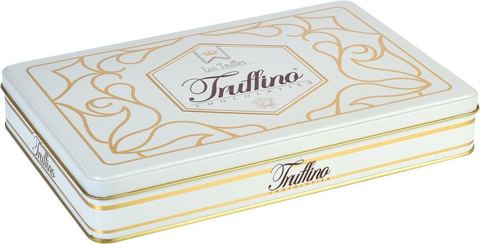
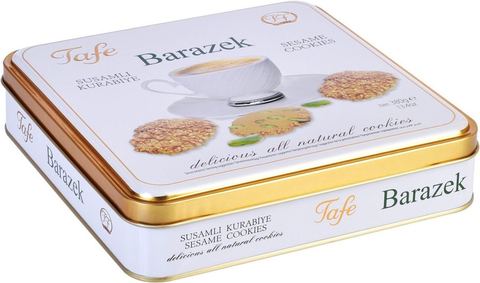
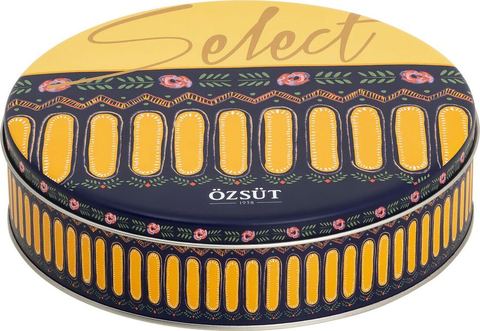
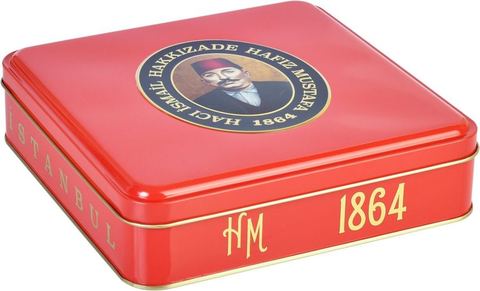
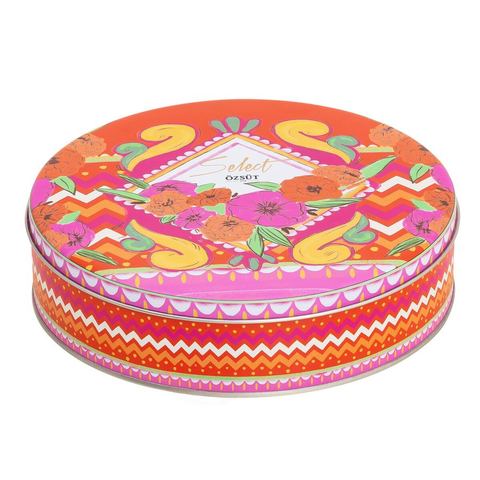
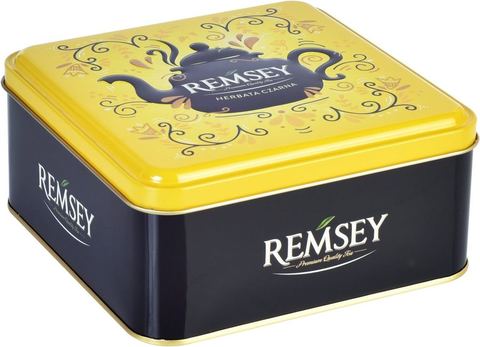
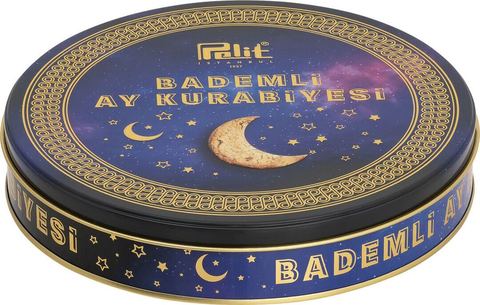
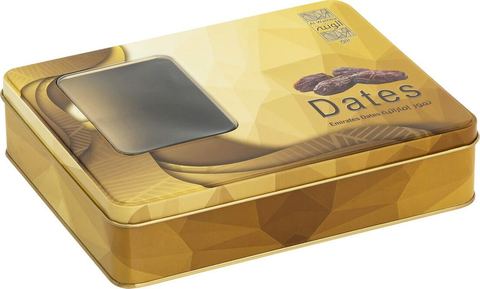
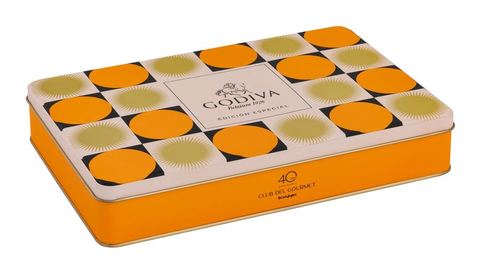
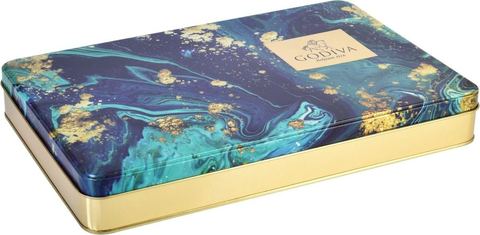
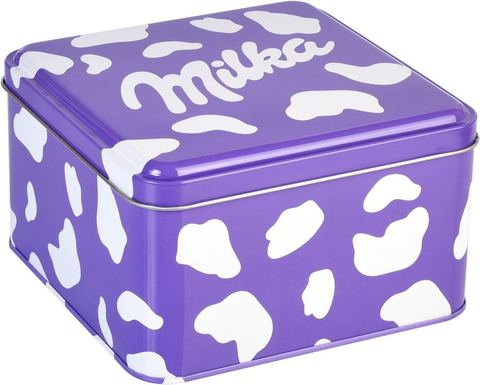
A few of the decorative tins we have designed, printed and formed in-house.

Trusted by brands that ship worldwide









Work directly with the factory
Free samples worldwide · we reply within hours · your shape, your artwork.
Frequently asked questions
What makes Masaş a manufacturer rather than a supplier or reseller?
Masaş designs, tools, prints and forms every tin inside its own İstanbul facility, established in 1979. There is no subcontracted stage between artwork approval and the finished box, which is what distinguishes a manufacturer from a company that outsources production to third-party factories.
Can Masaş produce fully custom shapes and lids, or only standard sizes?
Both. In-house die-making supports round, square, rectangular, oval, heart and fully bespoke shapes, along with slip-on, hinged, inner-plug, screw, window, crystal and domed lid options — the screw lid on round bodies only, since a thread has to be formed on a circular rim. A shape Masaş already tools removes the tooling charge and around eight weeks of lead time on a faster order.
Does working directly with the manufacturer change lead times?
Yes. Because tooling, printing and forming happen under one roof, there is no queue time between separate vendors for design approval, plate-making and metal forming, which typically shortens the path from confirmed artwork to finished goods compared with multi-vendor sourcing.
Is the interior coating suitable for food contact?
Masaş uses food-grade lacquer for tins intended for direct food contact. Food-contact suitability is confirmed per project against the applicable regulations for the destination market.
Which countries does Masaş export to?
Masaş exports to more than 50 countries, a footprint built over nearly five decades of manufacturing since 1979, supporting brands, distributors and co-packers with cross-border logistics and documentation experience.
How is a tin box actually manufactured?
In nine stages, all of them inside one plant: structural design and 3D proof, die and tool making, tinplate intake and inspection, flat-sheet coating and interior lacquering, offset printing on metal, varnish and embossing, slitting into blanks, press forming with curling and seaming, then lid fitting, quality control and export packing. The section above walks through each stage in order.
Does Masaş manufacture the tinplate itself?
No, and no decorative packaging manufacturer does. Tinplate is rolled by steel mills; we buy it food-grade to specification, inspect every delivery for gauge, flatness and coating, and manufacture the packaging from it. What is made in our own plant is everything after the raw sheet — tooling, coating, printing, forming, assembly and quality control.
What is the minimum quantity for a manufactured run?
5,000–25,000 pieces per design and size, depending on the format. The floor exists because printing plates and press setup are the same work whether the run is five thousand tins or fifty thousand, so below that threshold the setup dominates the unit price and the quote stops being competitive for the buyer.
How long does manufacturing take from approved artwork?
Four to six weeks on a mould we already hold. A brand-new shape adds roughly eight weeks for tooling the first time it is made, and nothing on any repeat order — by then the mould exists. Direct manufacturing also removes the queue time that multi-vendor sourcing spends waiting between a design studio, a printer and a forming subcontractor.
Who owns the mould once the tooling has been paid for?
The mould belongs to Masaş, is built and kept at our own factory in İstanbul, and does not move. The artwork printed on the tin is exclusively yours and is never used for anyone else. The shape itself is not exclusive unless that is agreed separately, which is the part most suppliers leave vague and worth settling in writing before tooling starts.
Can you manufacture tins for direct food contact?
Yes. Production is certified to ISO 9001 and ISO 22000, the interior lacquer is selected against the specific product, BPA non-intent lacquer is available, and a food-contact declaration for the coating is issued on request. One honest caveat: a decorative tin is not airtight. For products that need a true oxygen or moisture barrier, the barrier is a sealed inner pouch inside the tin.
Do you manufacture biscuit, cookie and confectionery tins specifically?
Yes — they are among the largest families we produce. Rectangular and round formats with slip-on or hinged lids are the usual answer for biscuits and cookies, deeper square and rectangular formats for chocolate and confectionery assortments, and window or crystal lids where the product should be visible. All of them run on the same tooling, printing and food-safety systems described on this page.
Work directly with the factory
Bring your specification to the team that designs, tools and prints every tin in-house. Get a direct answer on feasibility, timeline and pricing.