PPWR: қаптама сатып алушылар нені білуі керек
Қаптама және қаптама қалдықтары туралы (ЕО) 2025/40 регламенті 2026 ж. 12 тамыздан бері қолданылады. Ол 94/62/ЕО директивасын алмастырады, әр мүше мемлекетте тікелей қолданылады және материалына қарамастан барлық қаптаманы қамтиды (2(1)-бап). Қаңылтыр қорап та дәл иілгіш пакет сияқты оның аясына кіреді.
Өндіруші кім? Бәлкім, дәл сіз
PPWR-дегі «өндіруші» — зауыт емес. 3(1)(13)(a)-бап: қаптаманы өз атауымен немесе сауда белгісімен жобалатқан не өндірткен тұлға өндіруші саналады. Еурокомиссияның нұсқаулығы бір жеткізу тізбегінде өндіруші тек біреу болатынын қосады — әдетте өнімді толтырушы, көбіне бренд иесі. Брендсіз қаптамада мәселе оны кім тапсырғанына және дизайнын кім белгілегеніне тіреледі.
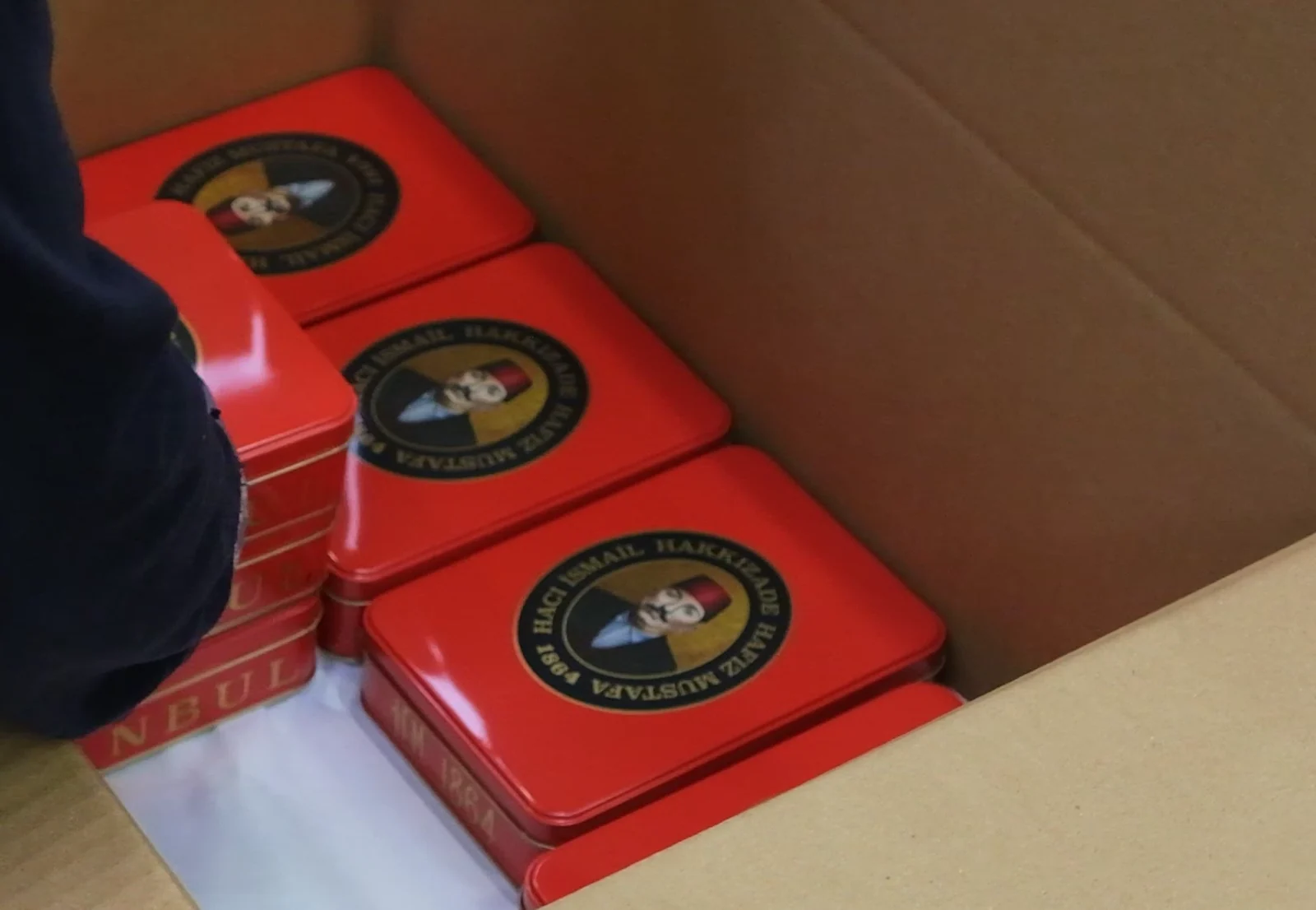
Бренд басылған қаңылтыр қорапта ол — сіз. Masaş — жеткізуші (3(1)(16)-бап), ал біздің міндетіміз 16-бапта: сәйкестікті дәлелдеу үшін қажет нәрсенің бәрін, соның ішінде VII қосымшадағы техникалық іс-құжатты толтыратын мәліметтерді, сіз түсінетін тілде беру. 16(2)-бап оған тағаммен жанасуға қатысты құжаттаманы қосады.
Сізде екінші рөл де бар. ЕО-дан тыс жерден сатып алу сізді импорттаушы етеді. 18(2)-бап: тауар нарыққа шықпас бұрын өндірушінің 38-бап бойынша сәйкестікті бағалауды жүргізгенін, VII қосымша бойынша іс-құжаттың бар екенін және құжаттардың тауармен бірге жүретінін тексеріңіз. 18(3)-бап қаптамаға сіздің атауыңыз бен мекенжайыңызды қоюды талап етеді, ал Еурокомиссияның 2026 жылғы тамыздағы жиі қойылатын сұрақтары мұны брендсіз импортқа да таратады.
21-баптағы тұзақ
Қаптаманы өз атауымен не сауда белгісімен нарыққа шығаратын немесе оны өзгертетін импорттаушы не дистрибьютор өндірушіге айналады (21-бап). Стандартты қорапқа өз логотипіңізді қойсаңыз, 15-баптағы міндеттердің бүкіл жиынтығын мойныңызға аласыз.
Бұл қашан бізге ауысады
Баспасыз, жалаң қораптарды ЕО нарығына өз атымызбен шығарған жағдайда өндіруші біз боламыз және 15-бапты көтереміз: 38-бап бойынша бағалау (VII қосымша, A модулі), бес жыл сақталатын техникалық іс-құжат, 39-бап бойынша сәйкестік декларациясы, қаптамадағы біздің мекенжайымыз, өкілетті органға он күн ішінде құжат ұсыну. Кеңейтілген өндірушілік жауапкершілік (EPR) ЕО жағындағы оператордың мойнында қалады; біз оны сіздің атыңызға тіркей алмаймыз.
Қазір не қолданылады
Ауыр металдар, 5(4)-бап
Қорғасын, кадмий, сынап және алты валентті хромның қосындысы 100 мг/кг-нан аспауға тиіс; бұл ретте қаптамадағы немесе қаптама құрамдастарындағы заттар есепке алынады: қақпақтар, тығыздағыштар, бояулар, лактар, дәнекер. Металл үшін ерекшелік жоқ. Тек шыны (2001/171/ЕО шешімі) мен пластик жәшіктер және паллеттер (2009/292/ЕО шешімі) бойынша ерекшеліктер сақталған, ал 5(8)-бап Еурокомиссияға тек осы екеуін өзгертуге мүмкіндік береді.
PFAS, 5(5)-бап
Тағаммен жанасатын қаптамаға үш шектеу: жеке PFAS үшін 25 ppb және қосындысы үшін 250 ppb — екеуі де мақсатты талдау арқылы (полимерлі PFAS есепке алынбайды, прекурсорлар қажет болса ыдыратылады), сондай-ақ полимерлі PFAS-ты қоса алғанда 50 ppm. Өтпелі кезең де, қорды сатып бітіру мерзімі де жоқ; дегенмен нарыққа бұрын шыққан қаптама айналымда қала алады.
Нұсқаулық сүзгілеу ретін белгілейді: алдымен жалпы фторды өлшеу керек; 50 мг/кг-нан төмен болса, үлгі талапқа сай деп саналуы мүмкін. Одан жоғары болса, зат жеткізушісі сұрау бойынша сол фтордың PFAS екенін немесе PFAS еместігін айтуға міндетті. Қаңылтыр қорапта ол болатта емес, ішкі лак пен сыртқы лакта болады — сұрақты кімге қою керегі осыдан шығады.
Бұл үшін әзірге ЕО-ның үйлестірілген сынақ әдісі жоқ: Ұлыбританияның Food and Drink Federation ұйымы 2026 жылдың маусымында мүшелеріне дәл осыны айтты. Оның үстіне 5(5)-бап тыйым емес, шектеу белгілейді, сондықтан «PFAS-сыз» деген — біз айтпайтын және сіз де қабылдамауға тиіс мәлімдеме.
Мерзімдер кестесі
- 2028 ж. 1 қаңтарға дейін: Еурокомиссия қайта өңдеуге жарамдылық өлшемдері мен сыныптарын айқындайтын делегацияланған актіні қабылдауға тиіс (6(4)-бап).
- 2028 ж. 12 тамыз, шартты түрде: материал мен сұрыптауға арналған үйлестірілген таңбалау (12(1)-бап) немесе орындаушы актілер күшіне енгеннен кейін 24 ай — қайсысы кеш болса, сол. Ол актілер әлі жоқ.
- 2028 ж. 12 тамыз: 97/129/ЕО шешімінің күші жойылады (70(2)-бап); ескі «FE 40» қысқартуларын енді қолдануға болмайды.
- 2030 ж. 1 қаңтар: барынша азайту талабы толық көлемде (10-бап, IV қосымша; сыйлық қораптары және PPWR бойынша азайту материалын қараңыз); сыныптар нарыққа шығу шартына айналады, C-дан төмені жіберілмейді (6-бап, II қосымша); қайта өңделген шикізат үлесі талабы басталады — тек пластикке (7-бап). 2035 жылы «ауқымды түрде қайта өңделеді» шарты қосылады, ал 2038 жылы төменгі шек B сыныбына көтеріледі.
Қаптама қазірдің өзінде негізінен қайта өңдеуге жарамды болуға тиіс (6(1)-бап). Сыныптар: A — 95%, B — 80%, C — 70% және одан жоғары; баға қаптама бірлігі бойынша, барлық құрамдасын қоса есептеп қойылады (6(9)-бап); C-дан төмені қайта өңдеуге жарамды саналмайды. 2028 жылғы делегацияланған актіге дейін ешкім сынып айта алмайды: өлшемдер де, әдістеме де әлі жоқ. Кім сынып атаса да, соның ішінде біз де, ол — болжам.
Қайта өңделген шикізат үлесі: металл бұған кірмейді
7-бап «Пластик қаптамадағы қайта өңделген шикізаттың ең аз үлесі» деп аталады және оның әр тармағы тек пластик бөліктермен шектеледі. PPWR-дің ешбір жерінде металға, болатқа, қаңылтырға немесе алюминийге пайыздық талап қойылмайды. Еурокомиссияның жиі қойылатын сұрақтары шыны бөтелкенің металл қақпағын «қайта өңделген шикізат талаптарының аясынан тыс» деп санайды.
Бірақ бір нәрсені ұмытпаған жөн: 7-бап кез келген пластик бөлікке қатысты. Терезе, тығыздағыш, тұтқа, термоүлдір белдік немесе қалыптап жасалған ішкі науа бірліктің жалпы салмағының 5%-ынан аз болмаса, 2030 жылдан бастап бап аясына кіреді (7(5)(b)-бап). Бұл — материалдар тізіміңіз бойынша жасалатын арифметика. Олар сондай-ақ бүкіл бірліктің қайта өңделу сыныбына да есептеледі: «болат қайта өңделеді» деген «бұл қаптама қайта өңделеді» деген сөз емес.
Ары қарай не істеу керек
Әр қаптама бойынша өндірушінің кім екенін шешіңіз және оны жазып қойыңыз. VII қосымша бойынша іс-құжатты өкілетті орган сұрағанда емес, дәл қазір ашыңыз. Жеткізушілерден 16-бап бойынша ақпаратты жазбаша сұратыңыз; қаңылтыр қорап жағдайында ішкі және сыртқы лактағы жалпы фтор туралы сұраңыз. «PFAS-сыз», «A сыныбы» және «PPWR сертификатталған» деген тұжырымдардан бас тартыңыз: мұнда CE таңбалауы да (109-кіріспе тармақ), сертификаттау схемасы да жоқ. Сондай-ақ EPR-ді салмақ бойынша есептеңіз: 250 г қаңылтыр қорап бірлігіне шаққанда 12 г иілгіш пакеттен әлдеқайда көп төлейді, ал экомодуляция бұл айырманы жаппайды. Қарсы салмақ шынайы, бірақ шектеулі: болат — өз ағынымен жиналатын мономатериал, әрі 2024 жылы ЕО нарығына шығарылған болат қаптаманың 84% қайта өңделді (Steel for Packaging Europe, ЕО-ның үйлестірілген әдістемесі). Бұл — қайта өңдеу деңгейі, сынып емес, әрі PPWR металға жеңілдік жасайды деп күтуге негіз емес.
Біз жеткізуші жағын береміз: VII қосымша бойынша іс-құжатыңызға арналған құрамдастар туралы ақпарат, 16(2)-бап бойынша тағаммен жанасу құжаттамасы және лак жөнінде тура жауаптар. Сіздің сәйкестікті бағалауыңызды, сәйкестік декларацияңызды, EPR тіркеуіңізді немесе сыныбыңызды емес. Бұл шекара PPWR аясында қаңылтыр қорап жеткізушісі сізге нені бере алады, нені бере алмайды материалында, ал тағаммен жанасу жағы тағамға қауіпсіз қаңылтыр қаптама бетінде түсіндірілген. Нарықтарыңыз бен өніміңізді айтыңыз, біз оған қандай құжаттама ілесетінін жеткіземіз: баға сұрау.
Жиі қойылатын сұрақтар
Біздің қораптарымыздың PPWR бойынша өндірушісі кім?
Бренд басылған қаңылтыр қорапта ол — сіз. 3(1)(13)(a)-бап қаптаманы өз атауымен немесе сауда белгісімен өндірткен тұлғаны көрсетеді. Қорап өндірушіңіз — жеткізуші (16-бап); сіз әрі импорттаушысыз (18-бап).
PPWR металл қаптамада қайта өңделген шикізат үлесін талап ете ме?
Жоқ. 7-бап тек пластик бөліктерді қамтиды; болатқа, қаңылтырға немесе алюминийге пайыздық талап қойылмайды. 7(15)-бап 2032 ж. 12 ақпанға дейін пластик емес материалдарды қайта қарауды міндеттейді: бұл — қайта қарау туралы ереже, міндеттеме емес.
Жеткізуші қорабымыз A сыныбы бойынша қайта өңделеді деп айта ала ма?
Жоқ, біз де айта алмаймыз. Өлшемдер, салмақтау және әдістеме 2028 ж. 1 қаңтарға дейін қабылданатын делегацияланған актіден шығады (6(4)-бап), сондықтан бүгін аталған кез келген сынып — болжам.
Қаңылтыр қорап лактары PFAS-сыз ба?
Бұл — айтуға да, қабылдауға да болмайтын мәлімдеме. 5(5)-бап тыйым емес, шектеу белгілейді: жеке PFAS үшін 25 ppb, қосындысы үшін 250 ppb, полимерлі PFAS-ты қоса алғанда 50 ppm. Материал талапқа сай деп, сынақ дәлелімен айтыңыз.
Дәл қазір неге әрекет ету керек?
Ауыр металдар қосындысы (5(4)-бап), PFAS шектеулері (5(5)-бап), VII қосымша іс-құжаты бар 38-бап бойынша сәйкестікті бағалау мен 39-бап бойынша декларация, сондай-ақ мәлімдеме ережелері (12(8), 14-баптар).
Тапсырыс бойынша қаңылтыр қаптама
Қатысты салалар
Сәйкес қораптар
Ойыңызда қорап бар ма?
Пішінін, өлшемін және макетін айтыңыз. Баға ұсынысы мен тегін үлгі жібереміз, бірнеше сағат ішінде жауап береміз.
Баға ұсынысын сұрау