
Tin Boxes with Lids
The lid is where a tin box either performs or fails: it determines how the product is protected in transit, how it reseals after first use, and how it feels in a customer's hands on the shelf. Masaş has manufactured tin boxes with lids since 1979 in İstanbul, engineering and tooling seven lid types — and open trays where no lid is wanted at all — so the mechanism is chosen to suit the product rather than the other way around. One point applies to every one of them: no metal lid on a decorative tin is a hermetic seal. Where moisture or oxygen must be excluded, the barrier is a sealed inner pouch or liner inside the tin, and the lid provides the reseal and the protection around it.
Choosing the right lid means balancing protection, reseal behaviour, cost and presentation. Below is a practical guide to the lid types Masaş produces, and which products each one tends to suit best.
Masaş has manufactured decorative tinplate packaging in İstanbul since 1979 and exports to more than 50 countries. Design, tooling, offset printing, forming and food-safe lacquering are all done in our own plant. We hold moulds rather than finished printed stock, so every printed tin is formed and printed to your order. The figures below apply to anything on this page.
- Moulds we hold
- 141
- Lead time
- 4–6 weeks
- Certification
- ISO 9001 · ISO 22000
Slip-on and hinged lids for everyday reseal
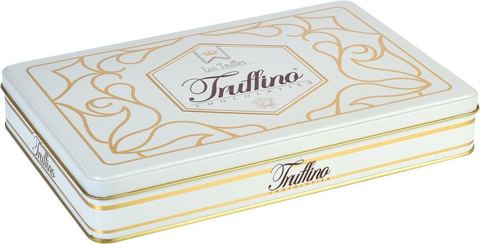
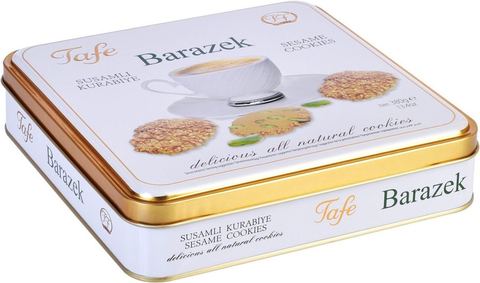
A slip-on lid fits over the base by friction, offering a simple, economical, fully removable closure well suited to confectionery, biscuits and general gift tins where the lid is lifted off entirely for access. A hinged lid stays attached to the base on a fixed pivot, opening and closing like a small case — practical for products accessed repeatedly, such as mints, small hardware, or sewing and craft kits, since the lid can never be misplaced.
Inner-plug lids for the firmest reseal
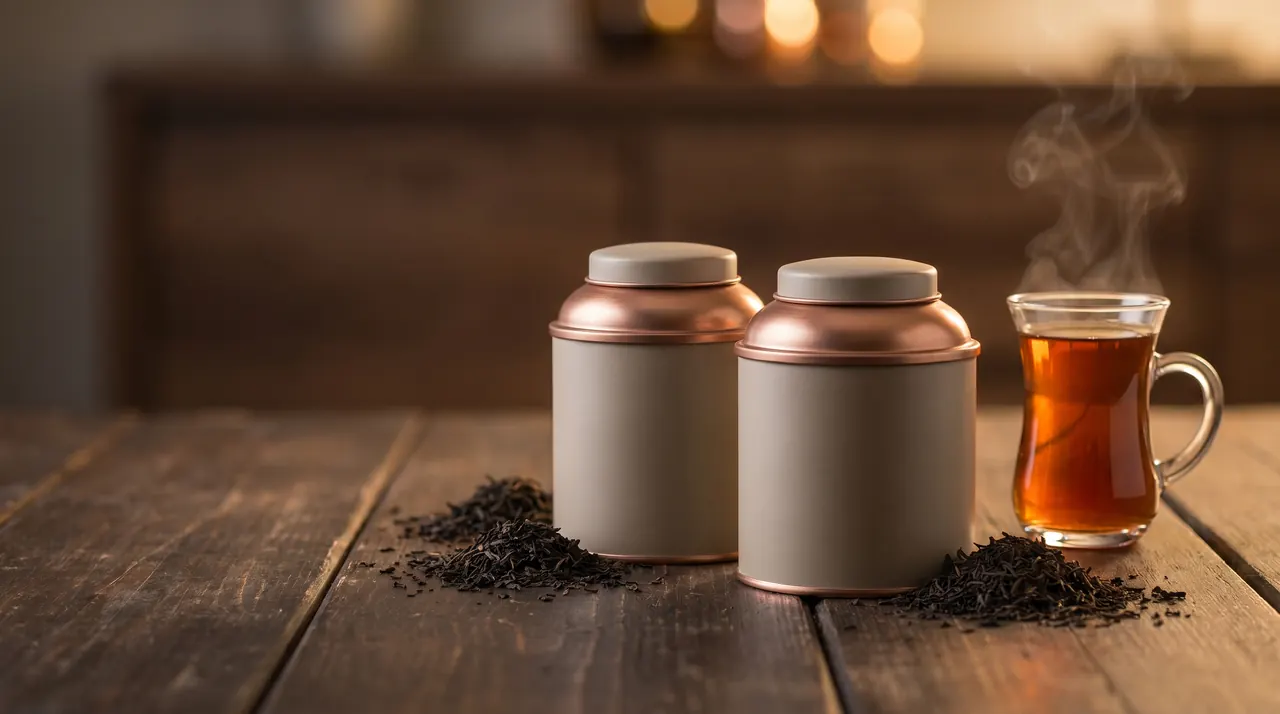
An inner-plug lid seats inside the rim of the tin rather than over the outside of it, so the plug wall presses against the body and holds the closure shut. It gives the firmest everyday reseal of any lid Masaş produces, which is why coffee roasters and tea houses ask for it more often than any other format, and it is usually paired with an outer slip-on lid so the tin still reads as finished on shelf. Like every metal closure it is a reseal rather than a seal: a product that needs a true moisture or oxygen barrier is packed in a sealed inner pouch inside the tin, with the plug lid keeping the pack tight between uses.
Screw lids for a firm, deliberate reclose
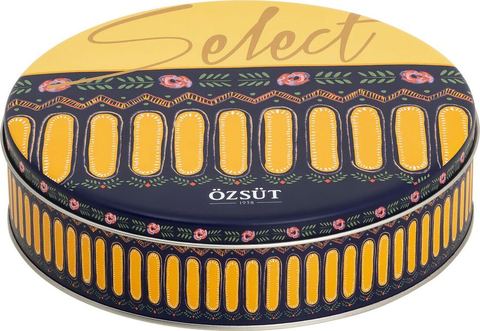
A screw lid threads onto the base, giving a tighter, more deliberate closure than a slip-on fit. It suits products handled roughly in transit or opened and closed many times, since the thread resists popping open where a simple friction fit can be knocked loose. It is a reseal rather than a seal: a screw lid does not make the tin airtight, and it holds contents in place rather than keeping moisture out. A thread also has to be formed on a circular rim, so screw lids are produced on round bodies only.
Window and crystal lids to show the product
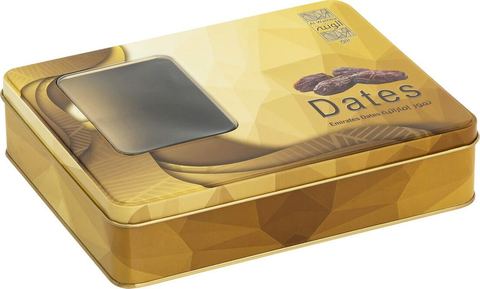
A window lid sets a clear panel into a printed metal lid so the product is visible before the box is opened — an effective merchandising tool for confectionery, baked goods or gift assortments where the product itself sells the pack. A crystal lid is a different thing: moulded from one piece of clear acrylic, top and side skirt both transparent, with no metal frame at all, so the whole lid is see-through. It is often chosen for higher-end gifting or display packaging.
Domed lids for a premium silhouette
A domed lid rises above the plane of the base rather than sitting flat, giving the tin a fuller, more sculptural profile that stands apart on a shelf of flat-lidded competitors. Domed construction is frequently paired with embossing, metallic inks or spot-UV to accentuate the raised surface, making it a common choice for premium confectionery and seasonal gift tins.
Matching lid to product: protection and reseal in practice
The right lid depends on how the product is used: single-open gift items often suit slip-on or domed lids for visual impact; repeat-access products favour inner-plug, hinged or screw lids (round bodies only) for durable reseal; retail products that benefit from visible contents suit window or crystal lids. Masaş engineers and tools each lid type in-house alongside round, square, rectangular, oval, heart and bespoke tin shapes, so lid and shape are developed together rather than as separate components.
Real tins from our factory
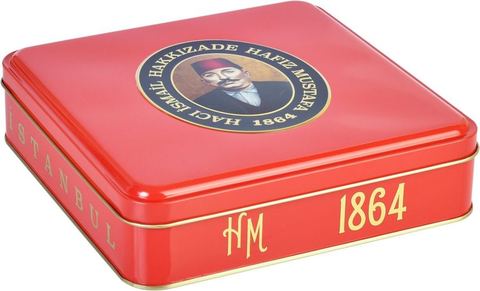
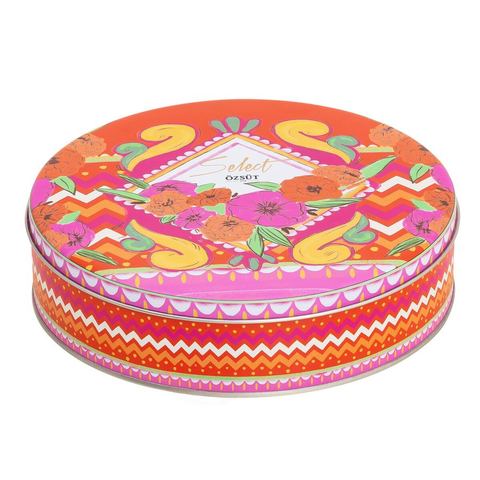
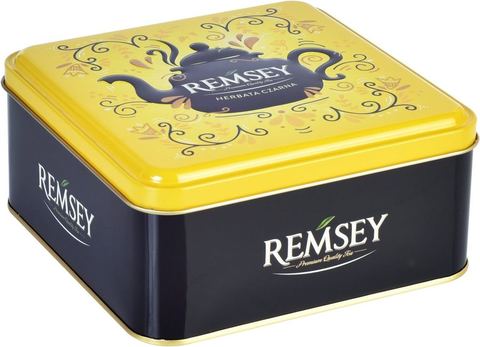
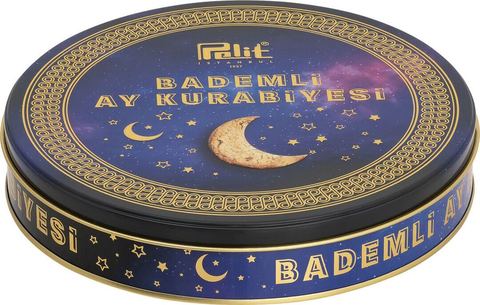
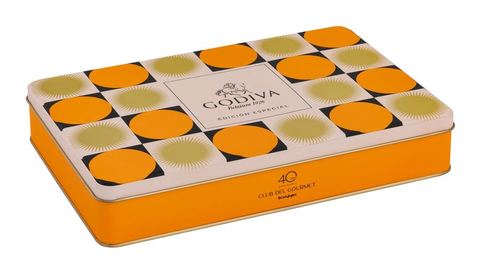
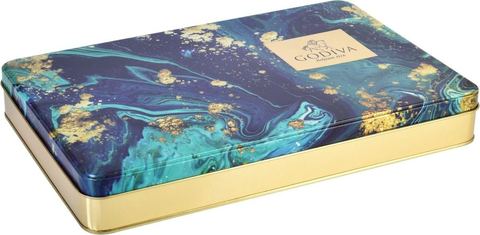
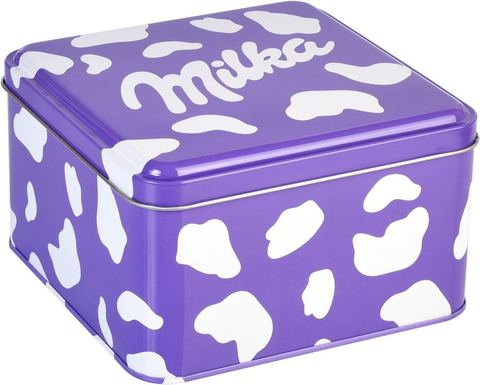
A few of the decorative tins we have designed, printed and formed in-house.

Trusted by brands that ship worldwide









Not sure which lid fits your product?
Free samples worldwide · we reply within hours · your shape, your artwork.
Frequently asked questions
Which lid type reseals best after repeated opening?
An inner-plug lid gives the firmest reseal, which is why coffee roasters and tea houses choose it. Hinged and screw lids also hold up well over many cycles, since hinged lids stay attached and a screw thread stays firm. No metal lid is airtight, so a product needing a true barrier is packed in a sealed inner pouch inside the tin.
Can we see the product inside without opening the tin?
Yes, window lids incorporate a clear viewing panel, and crystal lids offer a fully clear, premium-look alternative.
What lid suits a gift tin that is opened once?
Slip-on and domed lids are common choices for gift tins, prioritising visual presentation and a satisfying reveal over repeat-access convenience.
Can lid type be combined with any tin shape?
Almost. Slip-on, hinged, inner-plug, window, crystal and domed lids can be engineered across round, square, rectangular, oval, heart and bespoke tin shapes. The screw lid is the exception: a thread has to be formed on a circular rim, so it is produced on round bodies only.
Is the interior food-safe regardless of lid type?
Food-grade lacquer for direct food contact is available across lid types, with suitability confirmed per project against applicable regulations.
Not sure which lid fits your product?
Describe how your product is packed, opened and reused, and our team will recommend the right lid and shape combination.