
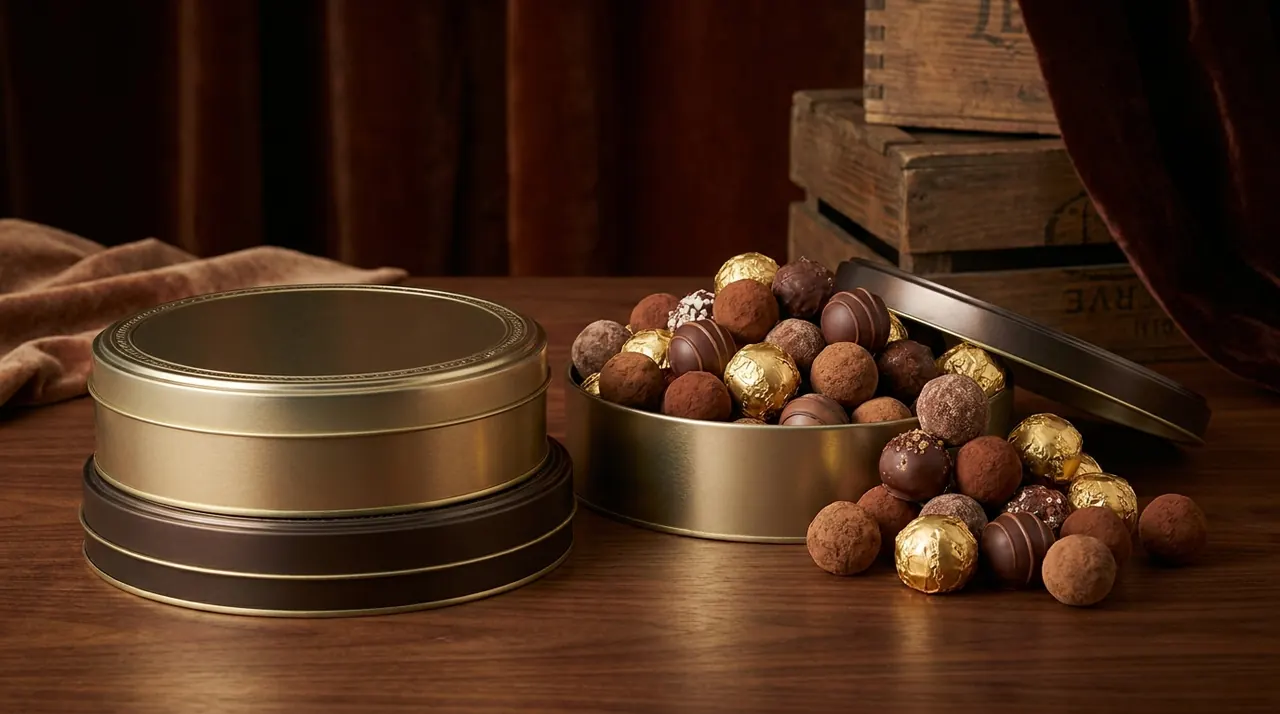
Chocolate tin packaging
Rich browns, bronze and deep gold — premium tins that frame fine chocolate.
Chocolate is bought with the eyes first. A decorative tin turns a box of pralines, a bean-to-bar range or a seasonal assortment into a gift worth keeping — protecting delicate chocolate from light, heat and crushing on the way to the shelf, then living on as a keepsake long after the last piece is gone. We make these tins in-house: food-safe lined, fully printed to your artwork, in any shape your brand needs. Masaş is a decorative tin manufacturer — your chocolate tin boxes, custom-printed on food-grade tinplate in any shape, at wholesale quantities.
Brands we already produce for
In this category we produce for the brands below — tooling, food-safe offset printing and final assembly all happen in our own plant in İstanbul.


Tins ready for your range
Fully printable to your artwork · custom runs 5,000–25,000 pcs.
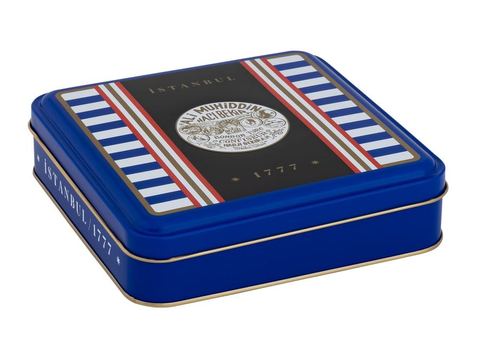
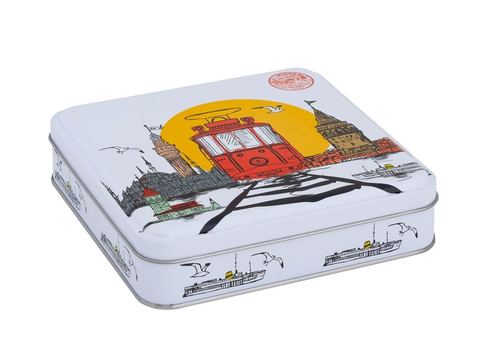
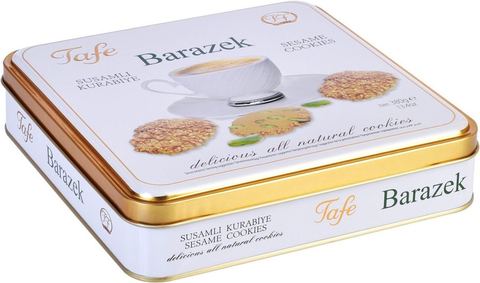
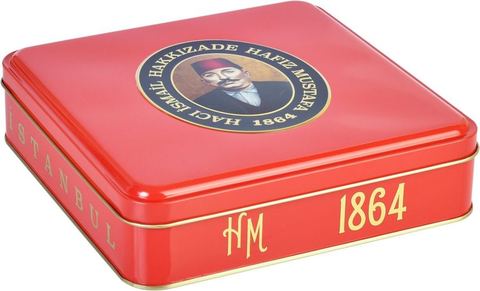
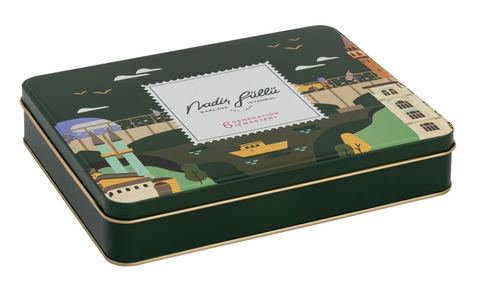
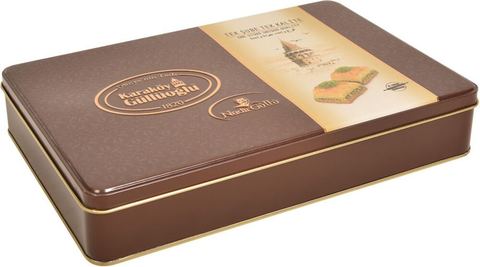
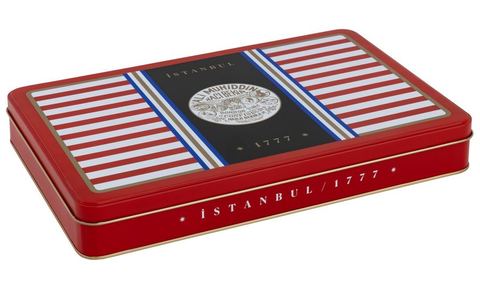
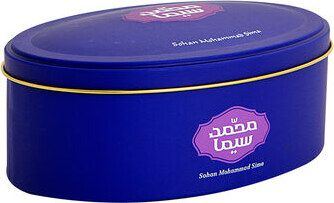
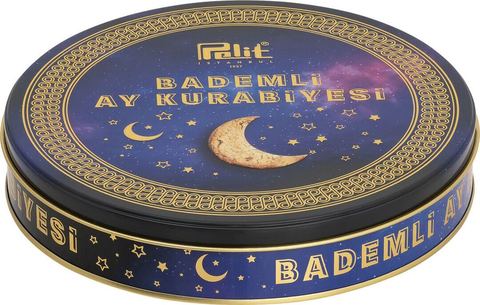
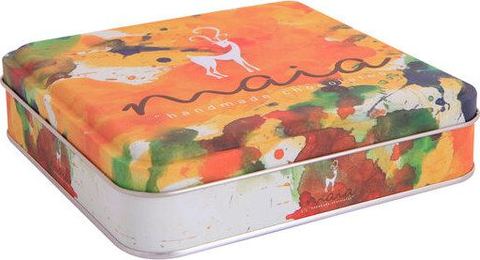
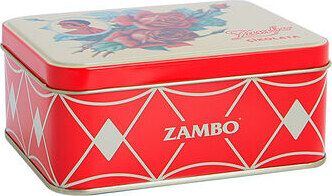
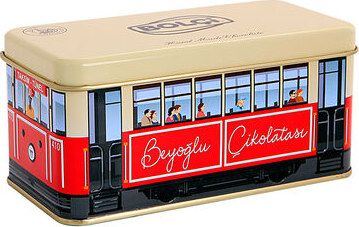
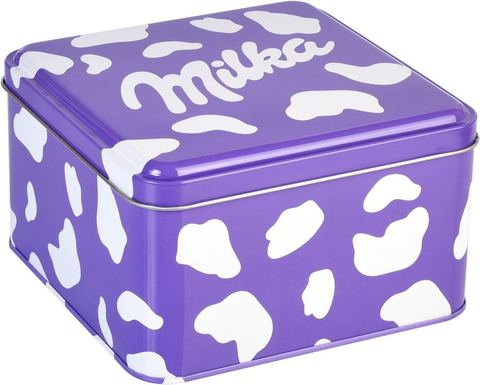
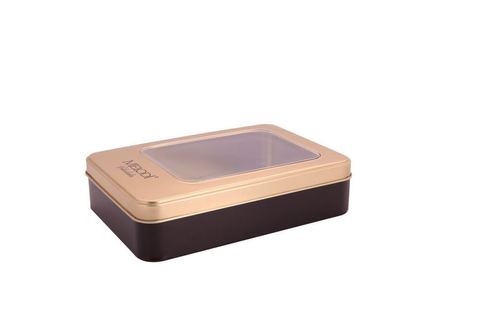
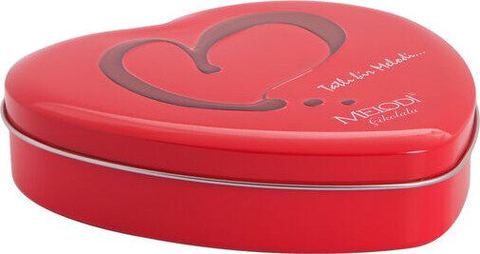
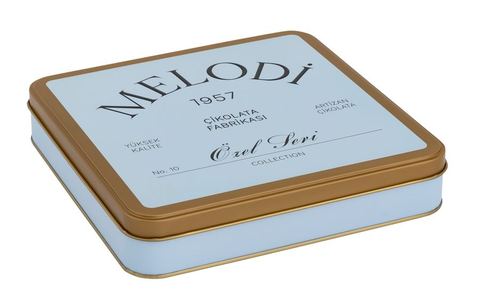
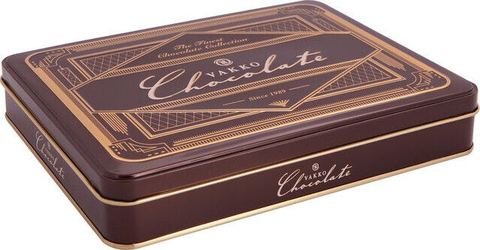
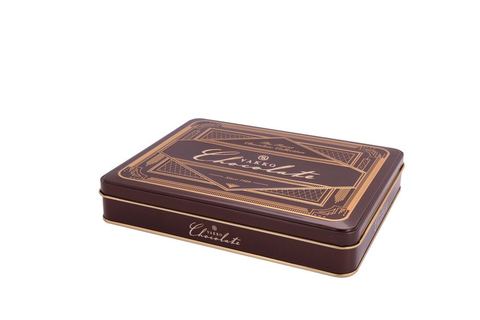
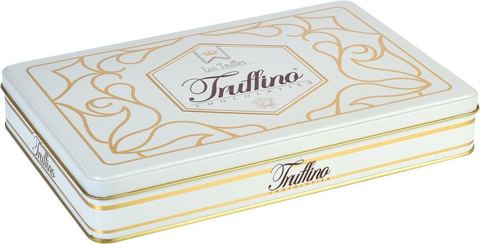
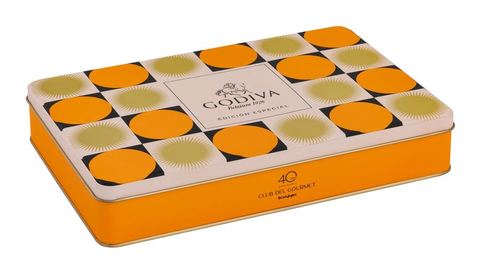
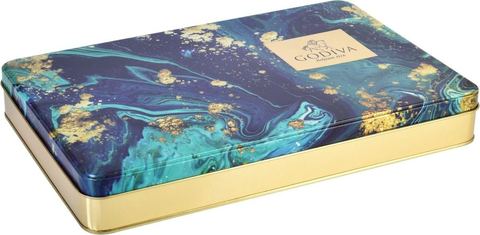
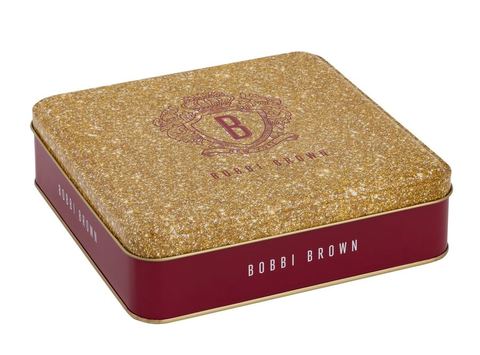
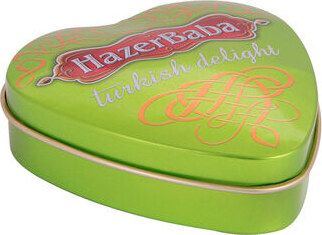
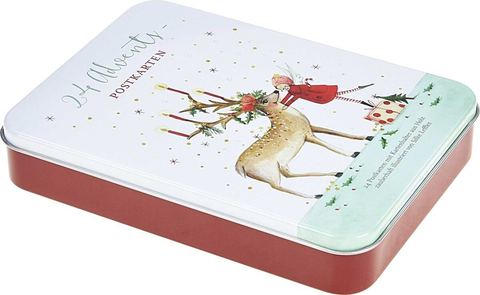
Ready-made tin ranges
Our own designs, printed on our own moulds.
Formats for pralines, bars and assortments
A praline assortment wants floor area and a shallow depth so the pieces present in a single layer when the lid comes off. A bar collection wants a long rectangular footprint sized to the bar, not to a standard tin. Gift ranges go round or square with a domed or embossed lid, and heart and bespoke shapes exist for the dates the category actually sells on. Slip-on lids suit a gift that is opened once and kept; hinged lids suit a tin that lives on a counter. Window and crystal lids show the product where the decoration is the selling point.
Heat, light and odour — what a tin actually solves
Steel blocks light completely, which matters for a product that blooms, and it takes the crushing that would otherwise reach a soft-centred praline. What it does not do is insulate: metal conducts, so a tin does not keep chocolate cool, and temperature stays a storage and shipping question rather than a packaging one. Chocolate also picks up odours readily, which is why the interior lacquer is chosen against the specific product rather than applied as a default. And because a decorative tin is not airtight, a range needing a true barrier is flow-wrapped or pouched inside the tin.
Finishes that read as premium
Chocolate is bought with the eyes, and the difference between a good tin and an expensive-looking one is almost always tactile. Embossing and debossing are formed into the metal, so a raised crest or a quilted lid catches light from across a shelf. Soft-touch varnish changes how the tin feels in the hand before the buyer has read a word of the label; spot-UV, metallic and pearlescent inks do the same for the eye. All of it is printed and formed in our own plant, on the same sheet, in one pass through the same quality system.
Seasonal calendars: Christmas, Valentine’s, Ramadan and Easter
Chocolate lives on four or five dates a year, and each of them is a fixed deadline that packaging either meets or misses. Production is 4–6 weeks from approved artwork on a mould we already hold; a brand-new shape adds roughly eight weeks of tooling the first time, and nothing on any repeat season. That makes twelve to fourteen weeks the honest planning figure for a new format and four to six for a returning one — so a Valentine’s tin on new tooling needs artwork settled in the autumn, not in January.
What brands use these tins for
- Praline and truffle gift assortments
- Bean-to-bar and single-origin bar collections
- Seasonal and holiday gift boxes (New Year, Ramadan, Valentine’s)
- Corporate and promotional chocolate gifts
- Hotel, patisserie and chocolatier retail lines
- Limited-edition and subscription boxes
Make it unmistakably yours
Every tin is designed, tooled, offset-printed and formed under our own roof. Choose the shape and size, your Pantone-matched artwork, a food-safe interior lacquer, and finishes from matte and gloss to soft-touch, embossing and metallic inks.
Frequently asked questions
Are the tins food-safe for direct chocolate contact?
Yes. We line the interior with a food-grade lacquer matched to your product, so chocolate never touches bare metal. Food-contact suitability is confirmed per project against the product and the applicable regulations.
Can you match my brand colours and finish?
Yes — we offset-print to your exact artwork with Pantone-matched colours, and add matte, gloss, soft-touch, spot-UV, embossing or metallic-ink effects to suit a premium chocolate brand.
What is the minimum order for custom chocolate tins?
Custom-printed runs are typically 5,000–25,000 pieces per design and size — larger tins sit at the lower end, smaller tins higher. Below that threshold the printing plates and press setup dominate the unit price. Plain, unprinted tins on a mould we already hold can be supplied in smaller quantities; printed tins are always produced to order, because we hold moulds rather than finished printed stock.
Can you make a custom shape for a seasonal range?
Yes. We build our own tooling in-house, so bespoke shapes, embossed lids and special formats for a holiday or limited edition are all possible. Lead times for new tooling are confirmed with your quote.
Will the tin protect the chocolate in transit and on the shelf?
Rigid tinplate shields chocolate from light, odour and crushing far better than carton, and a fitted lid keeps handling and dust out of an opened pack. What it will not do is control temperature — metal conducts heat rather than insulating against it. For long or hot-climate transit the answer is the shipping plan and the right inner wrap, which we will advise on, rather than the tin itself.
Does a tin keep chocolate cool?
No, and no packaging does on its own. Metal conducts heat rather than insulating against it, so a tin will follow the temperature around it. What the tin does is block light completely, resist crushing, and give the product a rigid, reusable outer. Temperature control belongs to storage and shipping — the tin protects everything except the thermometer.
Will the tin stop chocolate absorbing odours?
The interior food-safe lacquer is selected against the specific product so the coating itself does not taint what it touches, and steel has no odour of its own. But a decorative tin is not airtight, so it is not an odour barrier in the technical sense. Where that matters, the chocolate is flow-wrapped or held in a sealed inner pouch and the tin does the protecting and the selling.
Can you make a heart-shaped or bespoke tin for Valentine’s?
Yes. We cut our own tooling, so bespoke shapes are always on the table, and we already hold heart moulds among the shape families built up since 1979. Running on a mould that exists removes the tooling charge and roughly eight weeks from the schedule. The mould stays at our factory in İstanbul; your artwork is exclusive to you, the shape is not unless separately agreed.
When do I need to order for a Christmas or Ramadan range?
Count back from the date the goods must be in the depot, not the date they go on sale. On an existing mould that is 4–6 weeks of production after approved artwork. On a new shape it is roughly eight weeks of tooling plus that production window — twelve to fourteen weeks — which for most seasonal ranges means the decision is made two quarters ahead.
Guides for this sector
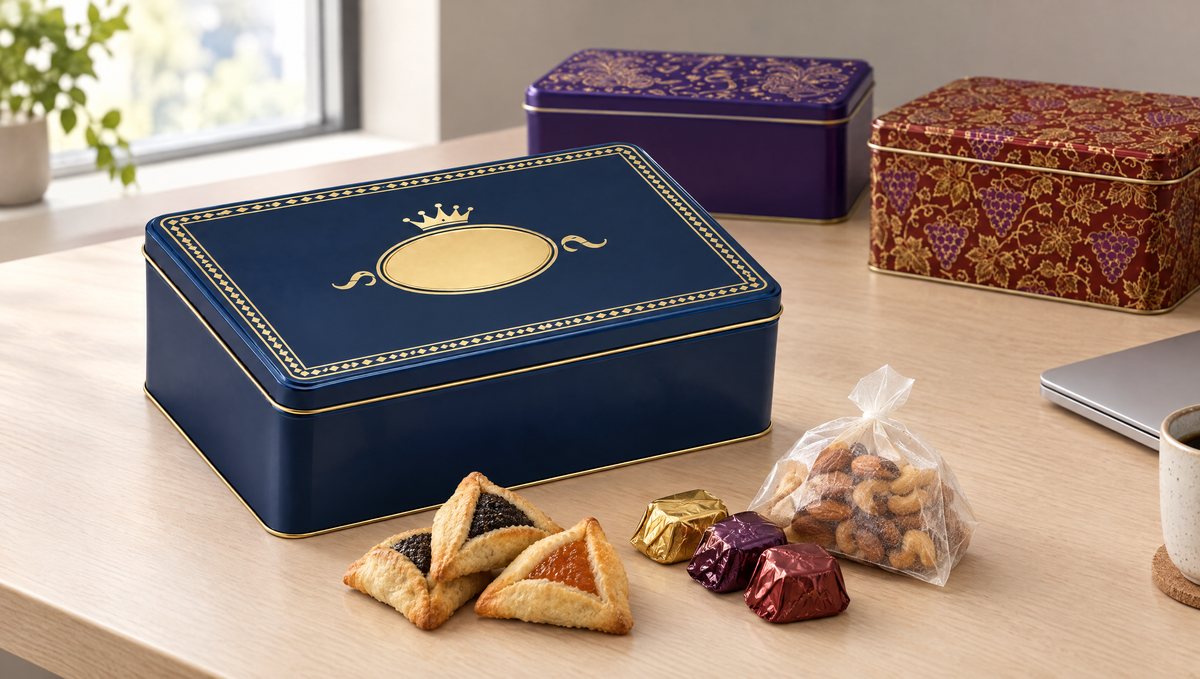
Corporate Mishloach Manot: Purim Gift Tins for Staff and Clients
How companies, and the gift firms that supply them, plan mishloach manot in printed tins: three formats, a logo on the lid, minimums and timing.
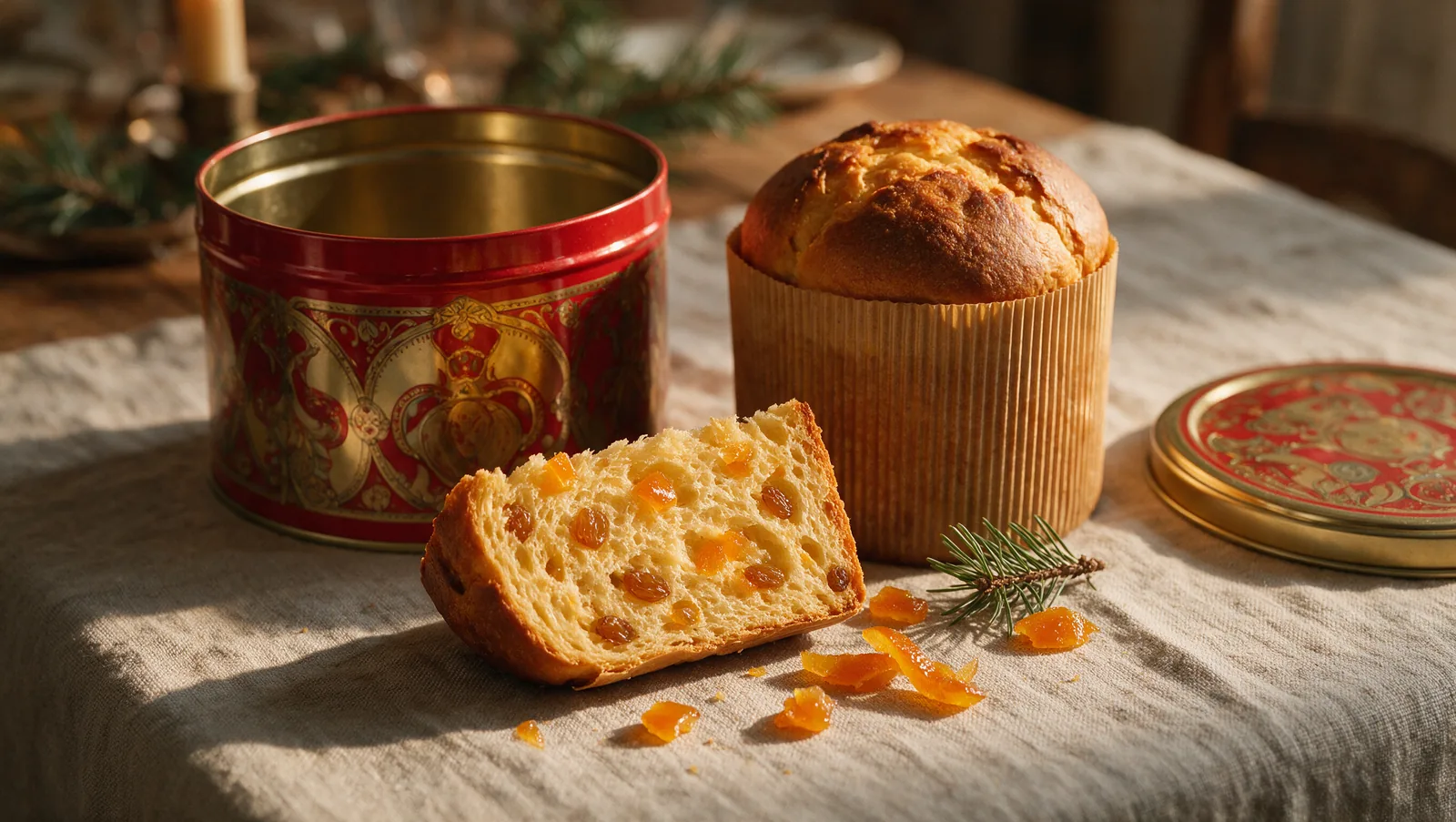
Panettone Tin Packaging: A Guide for Italian Bakeries
Sizes, lids, inner bag, food-safe lacquer, artwork and timing: how Italian bakeries package panettone in tins on existing tooling in 4–6 weeks.
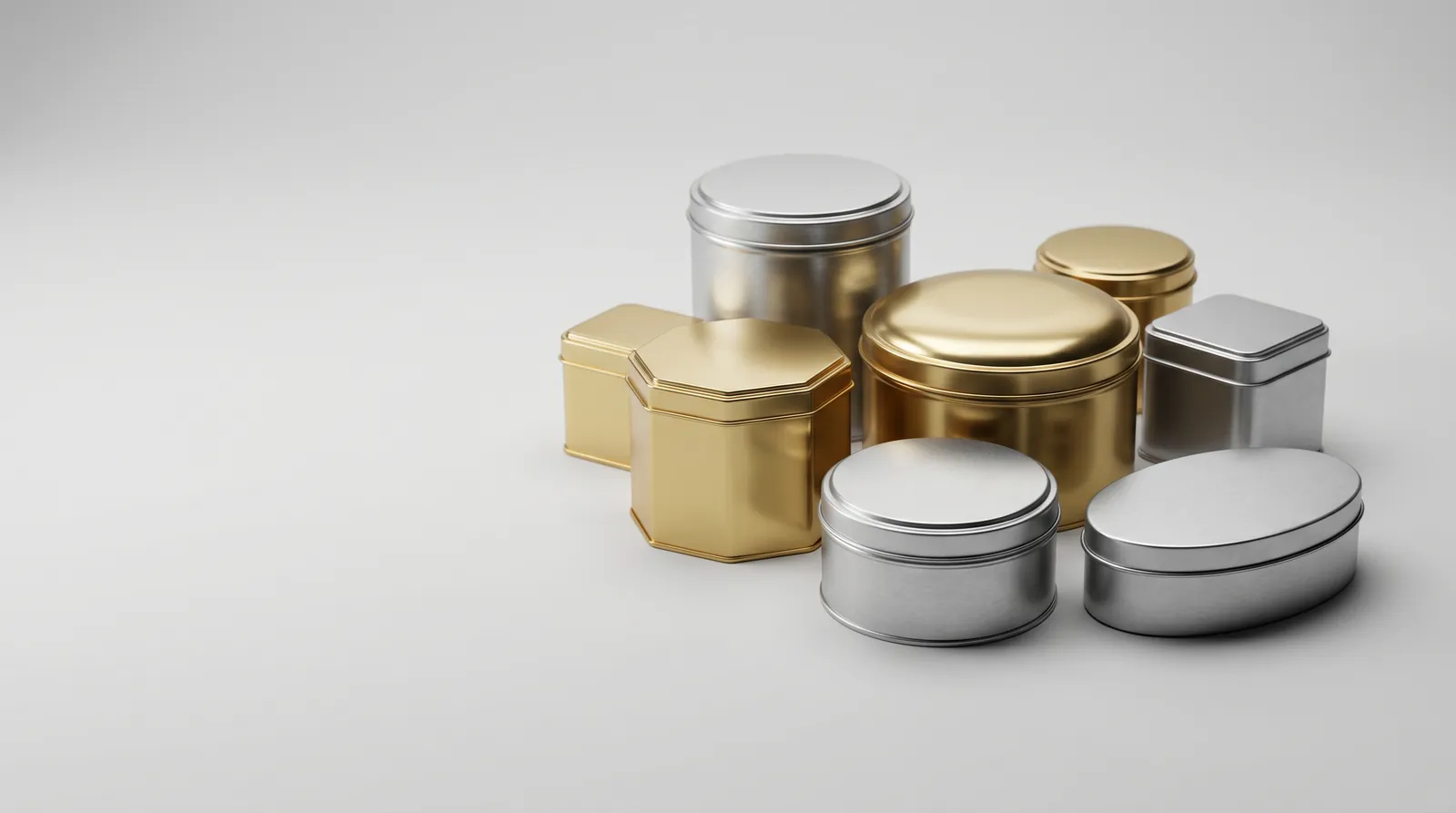
What Is Tinplate — and Is It Magnetic?
Tinplate is thin steel coated with tin — so yes, it is magnetic. What it's made of, how it differs from aluminium, whether it rusts, and why food tins use it.
Make it yours
Your shape, your colours, your artwork — printed and produced in-house.
Start your project