
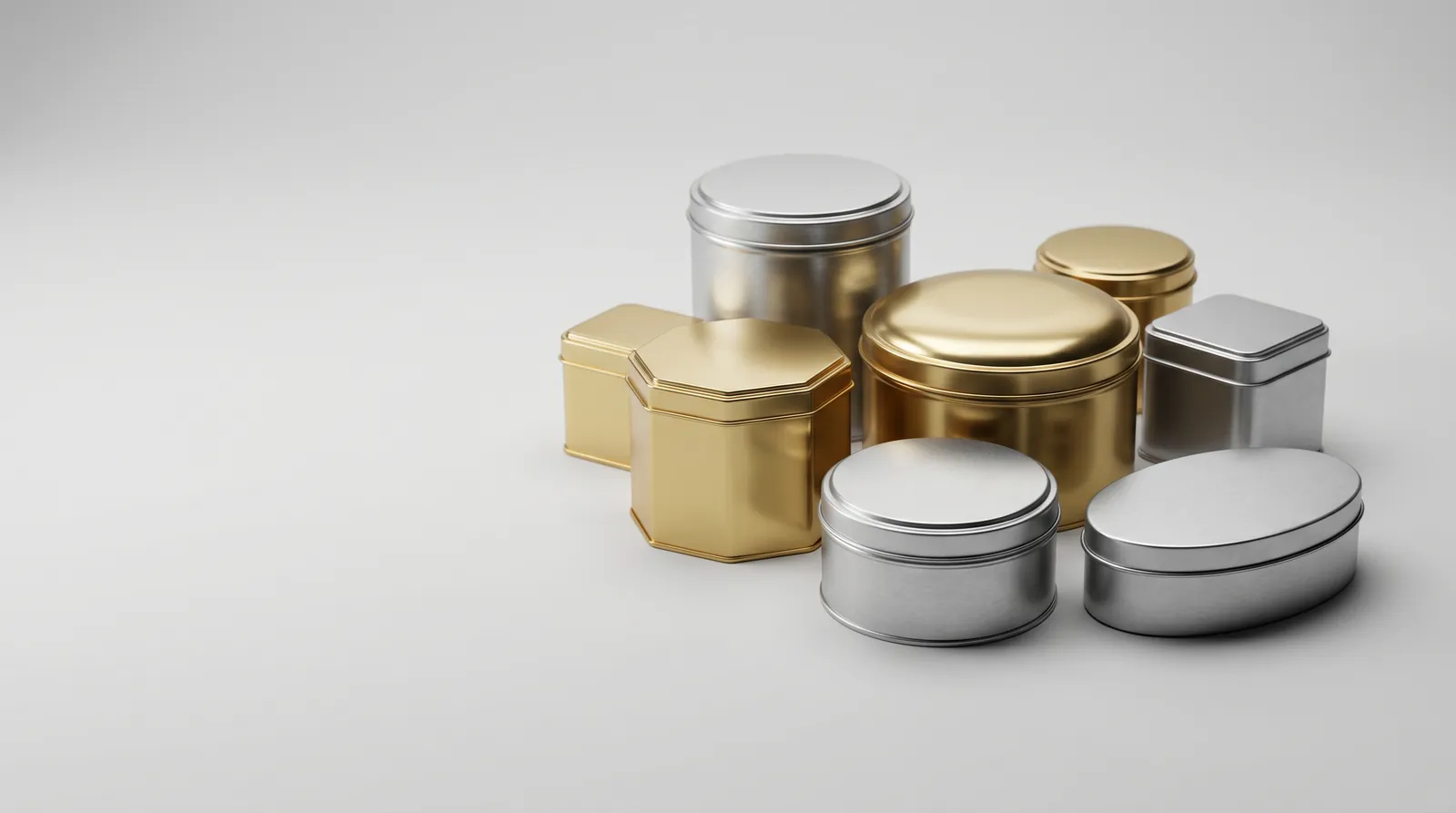
Tinplate Packaging
Tinplate is steel with a fine coating of tin: rigid, opaque and fully recyclable.
Tinplate packaging is one of the oldest and most versatile forms of rigid packaging still in wide use today, and it remains a first choice for brands that want their product to feel substantial, protected and premium. Masaş has specialised in tinplate packaging since 1979, running design, tooling, offset printing and metal forming under one roof in İstanbul, and shipping finished tins to more than 50 countries.
For anyone new to the material, it helps to start with the basics: what tinplate actually is, what properties make it useful, and why it continues to win shelf space against carton and plastic alternatives in categories from confectionery to spirits to corporate gifting.
Masaş has manufactured decorative tinplate packaging in İstanbul since 1979 and exports to more than 50 countries. Design, tooling, offset printing, forming and food-safe lacquering are all done in our own plant. We hold moulds rather than finished printed stock, so every printed tin is formed and printed to your order. The figures below apply to anything on this page.
- Moulds we hold
- 141
- Lead time
- 4–6 weeks
- Certification
- ISO 9001 · ISO 22000
What is tinplate, exactly
Tinplate is thin steel sheet coated with a fine layer of tin. The steel core gives the material its strength and rigidity, while the tin coating protects the steel from corrosion and provides a smooth, receptive surface for printing and finishing. This combination — a strong base metal with a protective, printable outer layer — is what allows tinplate to be formed into precise, durable boxes and tins while still taking decorative print and finishes beautifully.
The properties that make it useful
Tinplate packaging is valued for a specific set of properties: it is rigid, so it holds its shape under stacking and shipping pressure; it is protective, since the material itself is opaque and impermeable — though a decorative tin is not airtight, so where moisture or oxygen must be excluded the barrier is a sealed inner pouch or liner working inside the tin; it is highly printable, accepting full Pantone offset print, varnish, embossing and metallic inks directly onto the metal surface; and it is recyclable and reusable, since steel is a permanent material that can be recycled again and again without losing quality — 84% of steel packaging placed on the EU market was recycled in 2024 (Steel for Packaging Europe, EU harmonised method) — while consumers frequently keep tins for second-life use rather than discarding them.
Why brands choose tinplate over carton or plastic
Carton is lightweight and cheap but offers limited structural protection and a shorter perceived shelf life for the product inside. Plastic can be moulded into complex shapes but rarely conveys the same sense of quality and rarely matches tin's barrier performance against light and air. Tinplate sits above both in perceived value: its weight and rigidity signal quality before a customer even opens the box, its metal surface allows print and finish effects that plastic and carton cannot replicate, and its durability means the packaging often gets reused rather than thrown away — extending brand visibility well past the point of purchase.
From flat sheet to finished tin
Turning tinplate into a finished box involves several coordinated stages: the metal is offset printed with the brand's design while still flat, then cut, formed and seamed into the final shape — round, square, rectangular, oval, heart or a fully bespoke silhouette — before lids are fitted, whether slip-on, hinged, inner-plug, screw (round bodies only), window, crystal or domed — or left as an open tray where no lid is wanted. Because Masaş performs design, tooling, printing and forming in one facility, print registration, seam quality and lid fit are controlled at every step rather than coordinated across multiple external vendors.
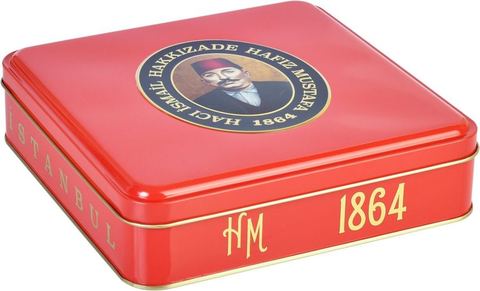
Masaş as a tinplate specialist
Since 1979, Masaş has focused specifically on decorative tinplate packaging, building the in-house tooling and offset printing capability needed to produce both the shapes it already tools and fully bespoke tins at scale. Custom runs typically range from 5,000 to 25,000 pieces per design and size, with large tins sitting near 5,000 and small tins usually needing 20,000 to 25,000, because many more small tins come off a single sheet of tinplate and a short run of them never repays the setup; a mould we already hold removes the tooling charge and around eight weeks of lead time without changing that print minimum. Finishes span matte, gloss and soft-touch varnish, spot-UV, embossing and debossing, and metallic or pearlescent inks. That depth of specialisation is what allows brands across confectionery, tea, coffee, spirits and corporate gifting to move from concept to finished tin with one manufacturing partner.
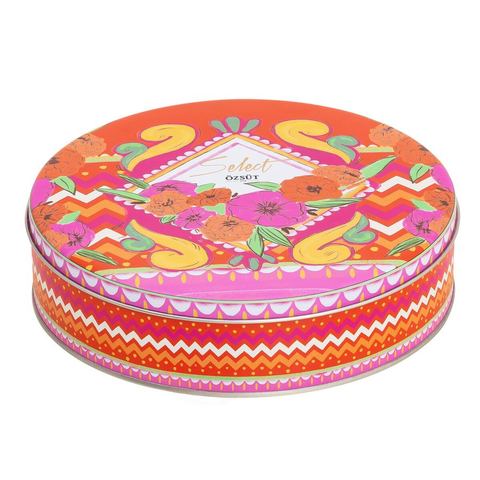
Real tins from our factory
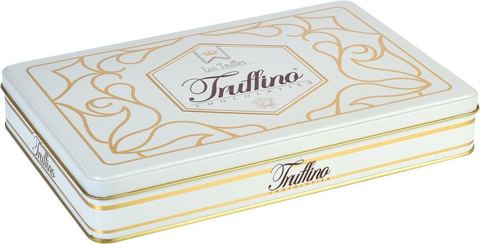
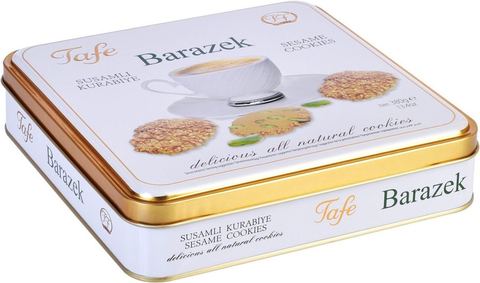
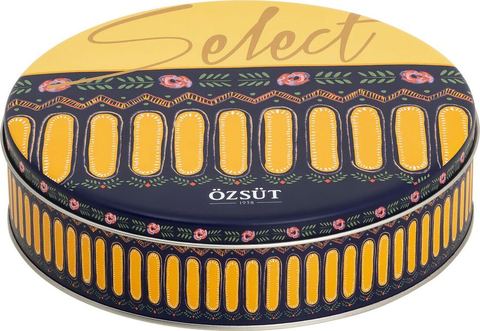
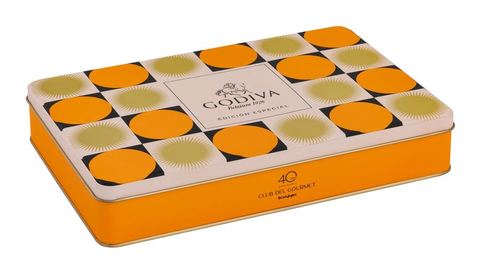
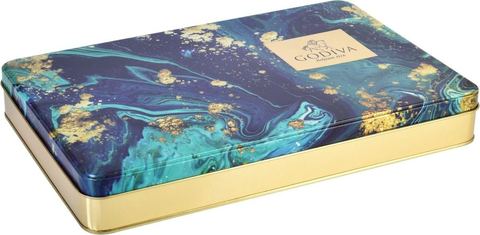
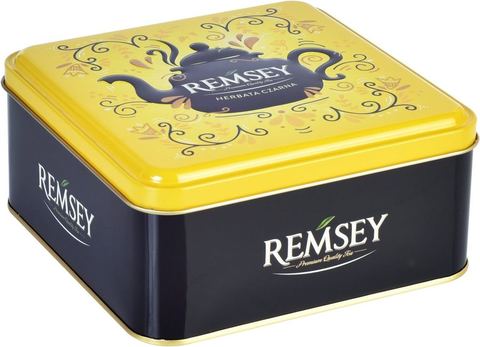
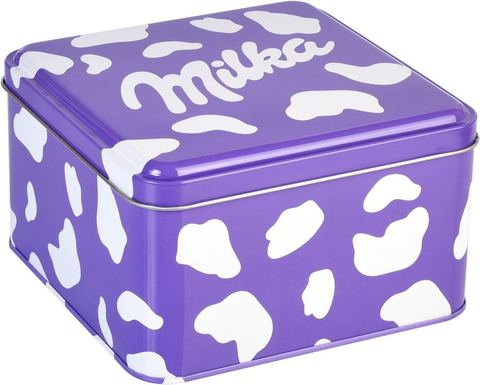
A few of the decorative tins we have designed, printed and formed in-house.
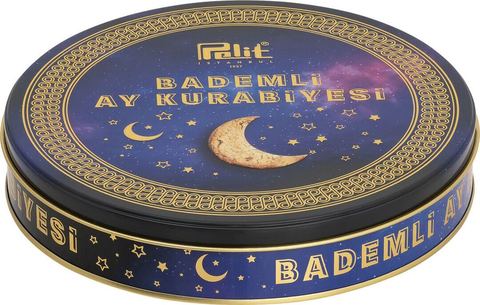
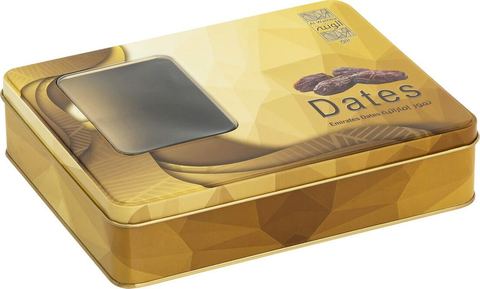

Trusted by brands that ship worldwide







Considering tinplate for your product?
Free samples worldwide · we reply within hours · your shape, your artwork.
Frequently asked questions
What exactly is tinplate?
Tinplate is steel sheet coated with a thin layer of tin. The steel provides strength and rigidity, and the tin coating protects the steel while giving the surface a smooth, printable finish.
Is tinplate the same as aluminium packaging?
No. Tinplate is a tin-coated steel product, which gives it different weight, rigidity and forming characteristics than aluminium. Tinplate's steel core is what allows it to hold crisp, rigid shapes and take heavier embossing and forming.
Why do brands choose tinplate over carton or plastic?
Tinplate offers stronger physical protection, a more premium tactile and visual impression, and better print and finish options than carton or plastic, while also being recyclable as steel and often reused by consumers rather than discarded.
What shapes and lid types are possible with tinplate?
Tinplate can be formed into round, square, rectangular, oval, heart or fully bespoke shapes, and fitted with slip-on, hinged, inner-plug, screw, window, crystal or domed lids, or produced as open trays, depending on the product and desired opening experience. The screw lid is the one exception to free choice: a thread has to be formed on a circular rim, so it is available on round bodies only.
Is tinplate packaging environmentally friendly?
Tinplate is steel, a permanent material that can be recycled again and again without losing quality: 84% of steel packaging placed on the EU market was recycled in 2024 (Steel for Packaging Europe, EU harmonised method). Many consumers also keep tins for storage or display after the original product is used, extending the material's useful life well beyond a single use.
Considering tinplate for your product?
Talk to our team about shapes, finishes and lead times for your project.