
Packaging manufacturer — custom printed tins
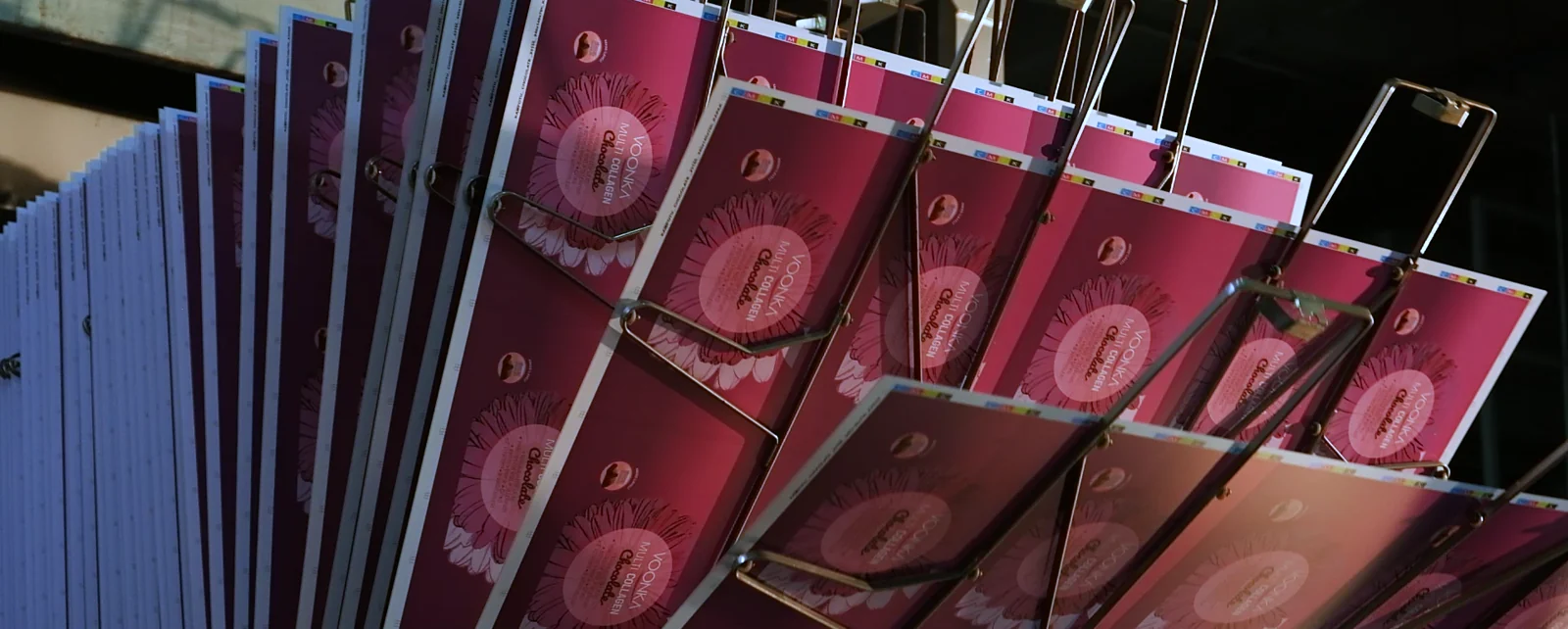
The print goes offset straight onto the tinplate, so your brand colour lasts on the shelf and in the home.
The print is what a customer actually sees on the shelf, which means colour accuracy, finish quality and how faithfully the final tin matches the approved artwork are the details that matter most on a custom printed tin project. Masaş prints every tin by offset lithography in its own İstanbul facility, with in-house design support carrying artwork from concept through to plate-ready files.
This page covers what goes into that print quality — the process, the colour matching, and the finishing options available to differentiate a design once the base print is locked in.
Masaş has manufactured decorative tinplate packaging in İstanbul since 1979 and exports to more than 50 countries. Design, tooling, offset printing, forming and food-safe lacquering are all done in our own plant. We hold moulds rather than finished printed stock, so every printed tin is formed and printed to your order. The figures below apply to anything on this page.
- Moulds we hold
- 141
- Lead time
- 4–6 weeks
- Certification
- ISO 9001 · ISO 22000
Offset lithography on metal
Printing directly onto tinplate sheet, before it's formed into a box, produces sharper detail and more durable colour than printing on paper labels applied afterward. Offset lithography lays down fine screens and solid colour fields cleanly across the metal surface, which matters for typography, gradients and photographic imagery alike. Because the sheet is printed flat and formed afterward, the print registration has to account for how the metal will bend at seams and corners — a step built into the tooling and print setup rather than left to chance.
Pantone and CMYK colour accuracy
Brand colour consistency is usually the single biggest concern on a custom print order, especially for repeat runs months or years apart. Masaş matches Pantone spot colours directly for brand-critical elements like logos, and uses CMYK process printing for photographic or gradient artwork where full-colour reproduction is needed. Keeping the same press, plates and colour standards in-house between orders is what allows a reorder run to match the original approved colour rather than drifting over time.
Design and proofing support
In-house design capability means artwork doesn't have to arrive print-ready — the team can advise on how a design will translate onto a three-dimensional tin, where seams and lid edges will fall relative to the artwork, and how colours will render on metal versus on a screen. Proofing happens before full production commits, giving buyers a digital proof or a printed proof sheet to confirm colour, layout and finish before the press run starts. That proof is flat print rather than a finished tin: on new tooling there is no physical first sample, and the first tin carrying your artwork is the first production run. This matters most on debut designs, seasonal packaging, or private-label projects where there's no prior print run to reference.
Finishes: spot-UV, embossing, metallics
Beyond flat colour, finish choices are what give a printed tin shelf presence: matte, gloss or soft-touch varnish over the full surface; spot-UV to add gloss and dimension to specific logo or pattern elements; embossing or debossing to add tactile, three-dimensional detail to the metal itself; and metallic or pearlescent inks for a premium finish that standard CMYK can't reproduce. These finishes can be combined on a single tin — for example, a soft-touch base varnish with a spot-UV logo and an embossed border — to build a distinct look tied to a specific brand or product line.
From artwork file to finished tin
The practical path runs from initial design or supplied artwork, through colour separation and proofing, to plate-making, offset printing on the metal sheet, finish application, and forming into the final tin shape. Keeping every one of these steps under one roof — rather than sending plates to one vendor and forming to another — is what keeps the finished print matching the approved proof, run after run.
Artwork not ready yet?
Free design support: send us what you have and get a print-ready dieline, a render on one of our existing moulds and an honest note on what will not print — within 72 hours.
Send a design brief →Real tins from our factory
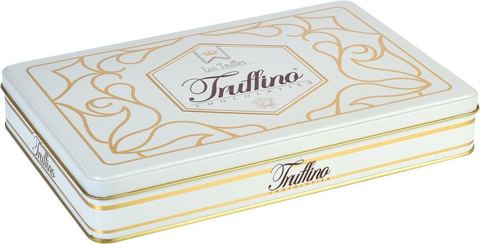
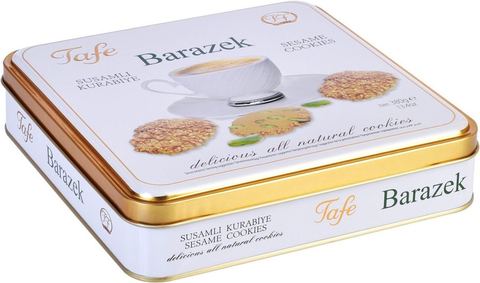
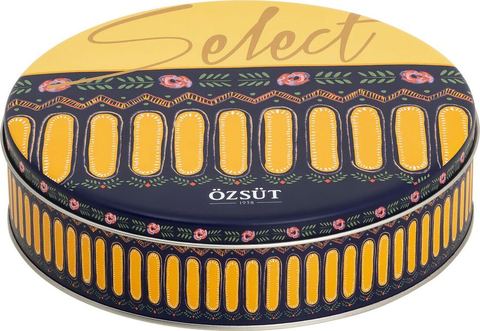
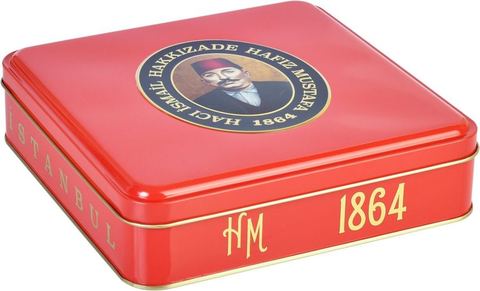
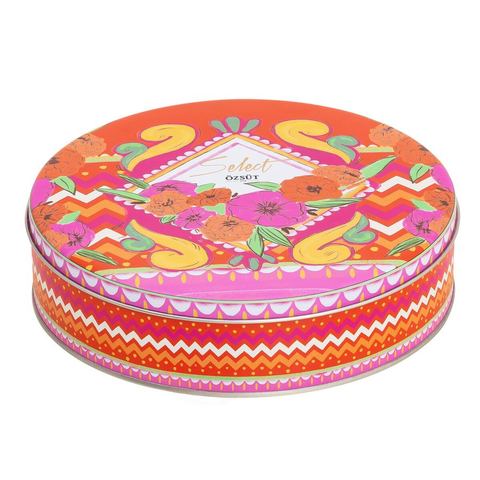
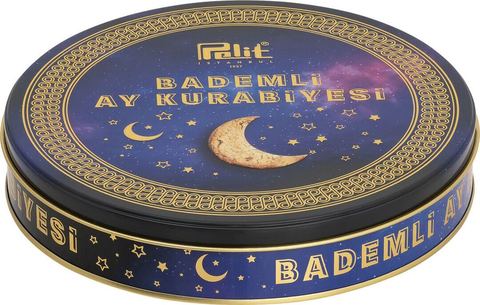
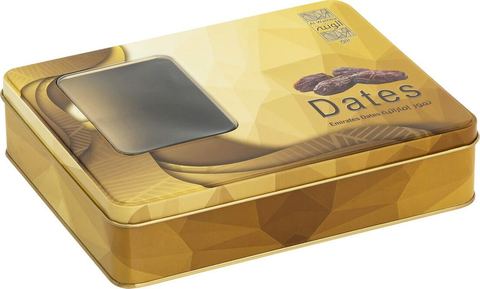
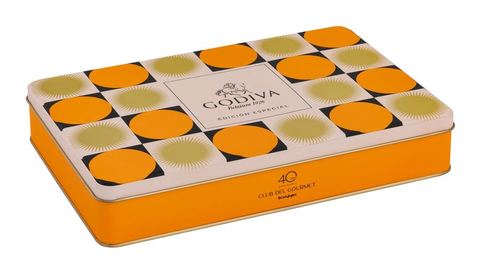
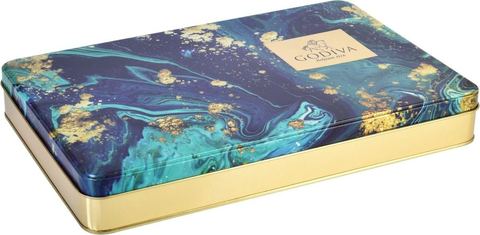
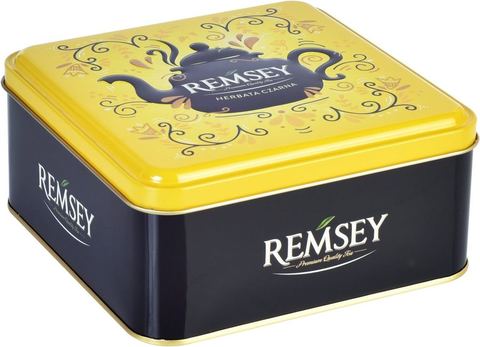
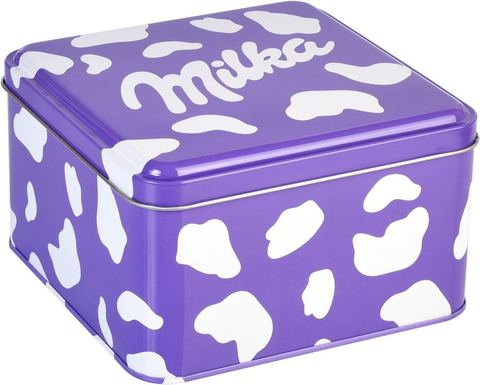
A few of the decorative tins we have designed, printed and formed in-house.

Trusted by brands that ship worldwide








Start your print project
Free samples worldwide · we reply within hours · your shape, your artwork.
Frequently asked questions
How is the design printed onto a metal tin?
Masaş prints directly onto flat tinplate sheet using offset lithography before the metal is formed into the final box shape. This produces sharper detail and more durable colour than labels applied after forming.
Can Masaş match my exact brand colours?
Yes. Pantone spot colours are matched for brand-critical elements like logos, while CMYK process printing handles photographic or gradient artwork. The same press and colour standards are used for reorders to keep colour consistent over time.
What finishing options are available beyond flat print?
Matte, gloss and soft-touch varnish, spot-UV coating, embossing and debossing, and metallic or pearlescent inks are all available, and can be combined on a single tin for a layered, premium finish.
Do I need print-ready artwork to start a project?
No. In-house design support can take a concept or existing brand assets and adapt them for print on a three-dimensional tin, including how the design wraps around seams and lid edges.
Is there a proofing step before full production?
Yes. A digital proof or a printed proof sheet is reviewed and approved before the full press run begins, giving buyers a checkpoint to confirm colour, layout and finish, particularly important for debut or private-label designs. The proof is flat print, not a finished tin — on new tooling the first tin printed with your artwork is the first production run.
Start your print project
Share your artwork or concept and target finish, and we'll advise on colour matching, finishing and production timeline.