
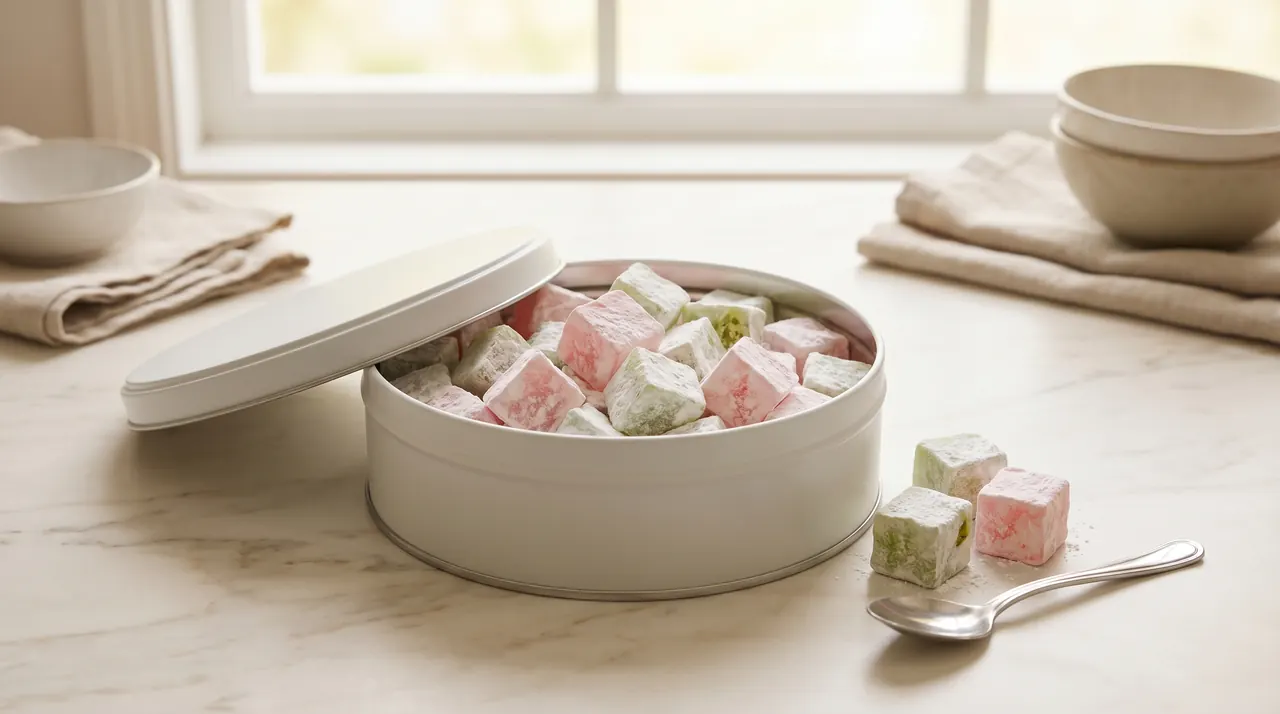
Decorative Tin Boxes
A decorative tin is not thrown away — it stays on the shelf, and your brand stays there with it.
A decorative tin box is not just a container — it is the first thing a customer notices, and often the reason they keep the box after the product inside is gone. Masaş has built decorative tin boxes since 1979 in İstanbul, treating each surface as a small canvas for offset print, colour, texture and finish rather than a plain metal shell.
Decoration on tinplate behaves differently from decoration on paper or plastic: ink sits on a rigid, reflective metal surface, embossing casts a physical shadow, and varnish changes how light moves across the lid. Getting decorative tins right is a craft that depends on controlling print, tooling and forming together, which is why Masaş keeps all three in-house.
Masaş has manufactured decorative tinplate packaging in İstanbul since 1979 and exports to more than 50 countries. Design, tooling, offset printing, forming and food-safe lacquering are all done in our own plant. We hold moulds rather than finished printed stock, so every printed tin is formed and printed to your order. The figures below apply to anything on this page.
- Moulds we hold
- 141
- Lead time
- 4–6 weeks
- Certification
- ISO 9001 · ISO 22000
Offset print as the foundation of decoration
Every decorative tin starts with Pantone-matched offset printing directly onto the tinplate sheet before forming. This allows precise, repeatable colour across large production runs and supports detailed artwork, fine linework and gradients that would be difficult to reproduce consistently with other decoration methods on metal.
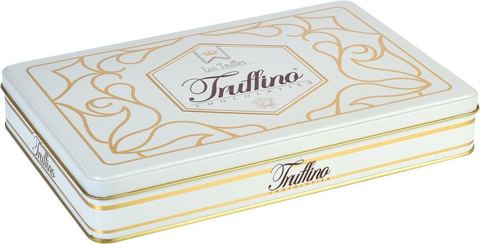
Finish options that add dimension
Beyond flat colour, decorative tins can carry matte, gloss or soft-touch varnish for tactile character, spot-UV for selective shine on logos or key artwork elements, and embossing or debossing to raise or press a pattern into the metal itself. Metallic and pearlescent inks add a shift in light and shimmer that plain colour cannot achieve, often used for premium or festive ranges.
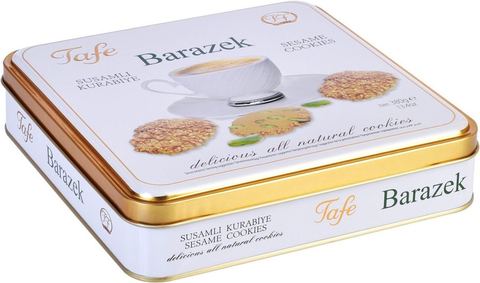
Shape and lid as part of the decorative language
Decoration is not limited to print. The silhouette of a tin — round, square, rectangular, oval, heart or a fully bespoke shape — and the way its lid sits, whether slip-on, hinged, screw (round bodies only), window, crystal or domed, contribute as much to the decorative effect as the artwork on its surface. A domed lid catches light differently from a flat one; a window lid lets the product itself become part of the decoration.
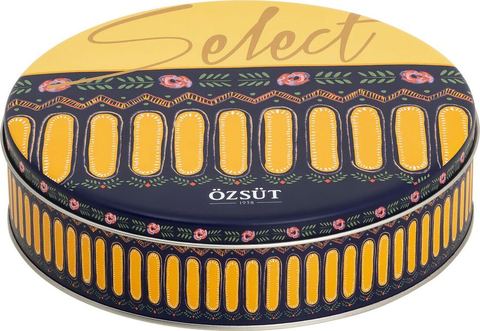
Collectible and keepsake appeal
Decorative tins are frequently kept long after the original contents are used, repurposed for storage or display. That afterlife is part of their commercial value: a well-designed decorative tin extends brand visibility in a customer's home far beyond the point of purchase, functioning as an unpaid, ongoing piece of shelf and drawer presence.
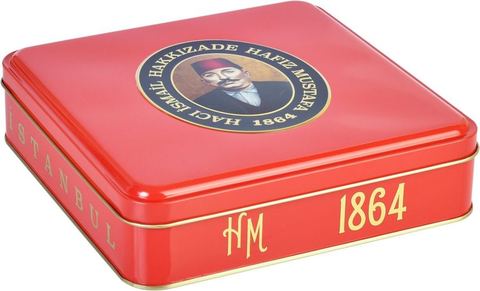
Shelf standout since 1979
Masaş has produced decorative tinplate packaging since 1979, accumulating decades of experience in how print, finish and form combine to make a tin stand out among competing packaging materials at retail. That heritage informs every new decorative project, from a single seasonal run to an ongoing collectible series, with in-house design, tooling and offset printing keeping the full decorative process under one roof.
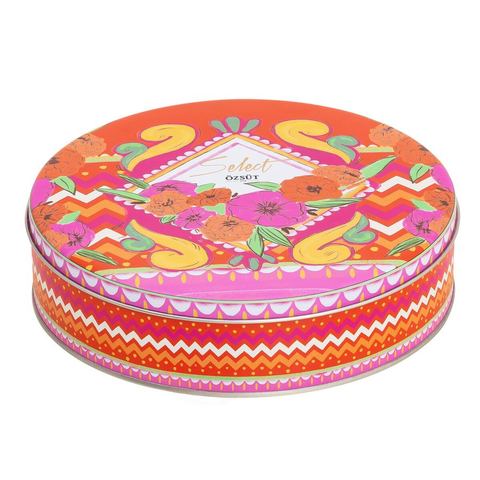
Real tins from our factory
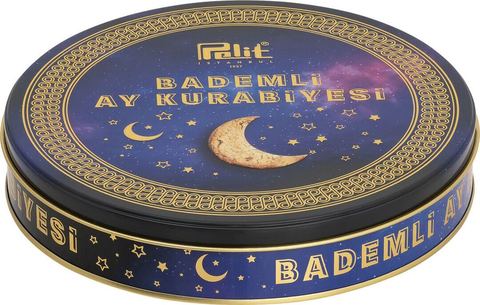
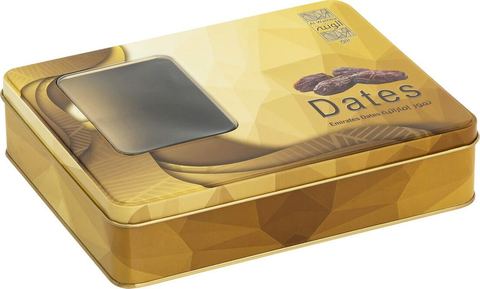
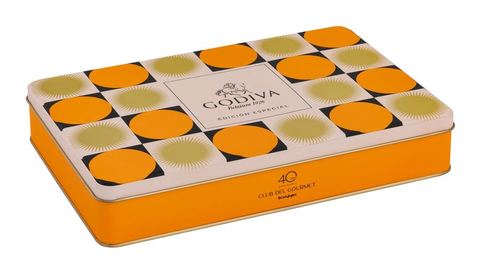
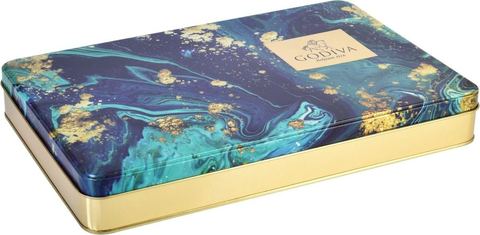
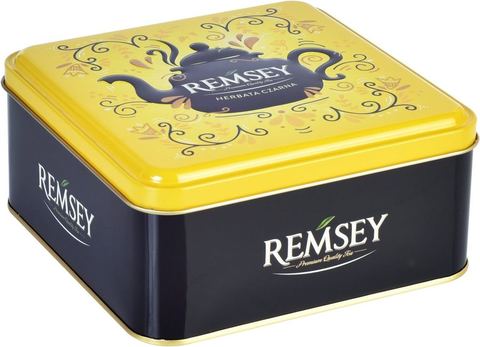
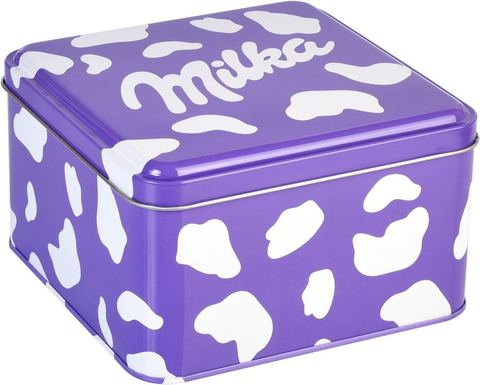
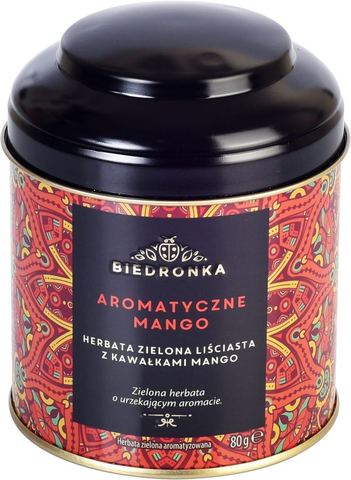
A few of the decorative tins we have designed, printed and formed in-house.
Trusted by brands that ship worldwide








Give your product a tin worth keeping
Free samples worldwide · we reply within hours · your shape, your artwork.
Frequently asked questions
What finishes are available for decorative tins?
Matte, gloss and soft-touch varnish, spot-UV, embossing, debossing, and metallic or pearlescent inks, all combinable with Pantone offset print.
Can the tin shape itself be decorative, not just the print?
Yes, shape and lid choice are part of the decorative effect. Round, square, rectangular, oval, heart and bespoke shapes are available with slip-on, hinged, screw (round bodies only), window, crystal or domed lids.
Are decorative tins reusable after the product is gone?
Yes. Decorative tins are commonly kept by consumers for storage or display, and tinplate is steel, a permanent material recycled through established streams: 84% of steel packaging placed on the EU market was recycled in 2024 (Steel for Packaging Europe, EU harmonised method).
What is the minimum order for a decorative design?
Custom decorative runs are typically produced from 5,000 to 25,000 pieces per design and size — large tins near 5,000, small tins usually 20,000 to 25,000. An existing shape removes the tooling charge and around eight weeks of lead time, but not the print minimum; only plain, unprinted tins are sold in smaller quantities.
How long has Masaş been producing decorative tins?
Masaş has manufactured decorative tinplate packaging in İstanbul since 1979, with in-house design, tooling and offset printing.
Give your product a tin worth keeping
Share your design direction and our team will recommend the shape, finish and lid combination for maximum shelf impact.