
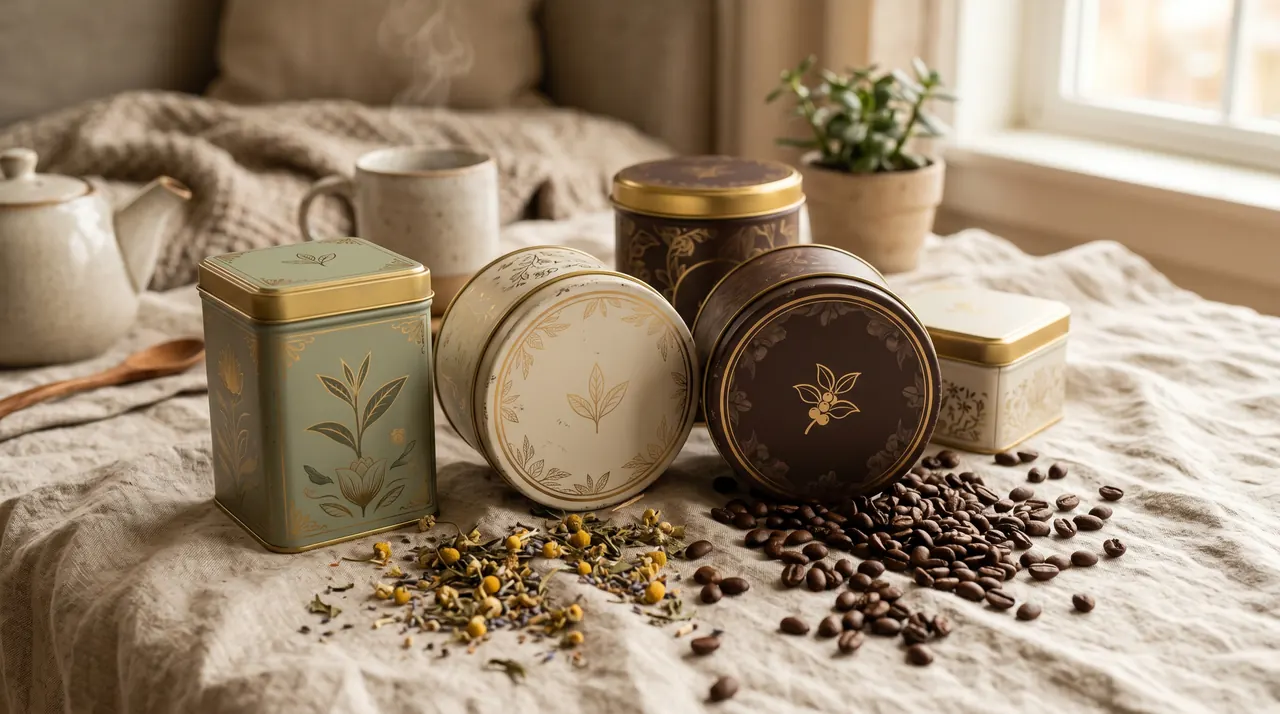
Custom Tin Cans
A cylindrical can behaves differently from a square or rectangular box on a shelf, in a hand, and in production — the seam runs around the body rather than at corners, the lid has to seat on a round rim, and the format itself signals a certain category, from coffee and tea to spirits and specialty foods. Masaş manufactures custom tin cans in-house in İstanbul, since 1979, alongside its full range of box shapes.
This page focuses specifically on the round can format: when it's the right choice, how lid options differ from box lids, and the sizing considerations that come up most for coffee, tea and spirits packaging.
Masaş has manufactured decorative tinplate packaging in İstanbul since 1979 and exports to more than 50 countries. Design, tooling, offset printing, forming and food-safe lacquering are all done in our own plant. We hold moulds rather than finished printed stock, so every printed tin is formed and printed to your order. The figures below apply to anything on this page.
- Moulds we hold
- 141
- Lead time
- 4–6 weeks
- Certification
- ISO 9001 · ISO 22000
Why brands choose the can format over a box
Tall round cans are the standard format for ground coffee, loose-leaf tea and canisters that need to stand upright on a shelf with a small footprint — the cylindrical shape uses shelf depth efficiently and is associated with those categories strongly enough that it can function as a category cue on its own. Cans also print differently than boxes: a continuous, corner-free surface for label artwork to wrap around, without the seam interruptions a rectangular box has at each edge.
Can vs. box: what actually changes
The forming process for a cylindrical can differs from a square or rectangular box — the body is a single wrapped and seamed cylinder rather than four folded panels, which changes how artwork registration is planned and how the lid needs to seat. Structurally, round cans tend to handle repeated opening and reclosing well, particularly with screw or slip-on lids, which is one reason they're common for products used gradually over time, like coffee or tea, rather than opened once.
Lid options for cans: crystal, domed, slip-on, inner-plug
Crystal (clear) lids let the product itself be visible on shelf, which works well for loose-leaf tea, coffee beans or confectionery where appearance is part of the sell. Domed lids add vertical presence and a distinct silhouette, often used for premium or gift-positioned cans. Slip-on lids give simple, secure closure for everyday use, while screw lids close tighter and more deliberately than a push fit. An inner-plug lid seats inside the rim rather than over it, and is the closure coffee roasters and tea houses ask for most often: it gives the firmest everyday reseal of any lid we make, and it is usually paired with an outer slip-on lid so the can still reads as finished on shelf. None of these is a hermetic seal — a decorative tin is not airtight, so a product that needs a moisture or oxygen barrier is packed in a sealed inner pouch inside the can, with the lid keeping the pack tight between uses. Hinged and window lid options, more common on box formats, can also be adapted to certain can designs depending on the project.
Sizing for coffee, tea and spirits
Coffee and tea cans are typically sized around standard weight fills — the can needs to match a target gram or ounce weight without excessive headspace, since too much empty space undermines the premium feel the metal packaging is meant to convey. Spirits cans and specialty cans built to house a bottle follow the bottle's own dimensions closely, with clearance for insertion and removal. In-house tooling means can dimensions can be built around the client's actual product fill and label design rather than selected from a narrow set of fixed sizes, although most orders run on a mould we already hold. New tooling adds roughly eight weeks before production begins, and the mould itself remains Masaş property at our İstanbul factory: the artwork printed on the can is exclusive to the customer, the body shape is not.
Printing and finishing on cylindrical cans
Offset lithography, Pantone colour matching, matte or gloss varnish, spot-UV and embossing all apply to the can format the same way they do to box shapes, adapted for a curved, seamed surface rather than flat panels. Metallic and pearlescent inks are frequently used on coffee and spirits cans specifically, where a premium finish reinforces the product category's positioning on shelf.
Artwork not ready yet?
Free design support: send us what you have and get a print-ready dieline, a render on one of our existing moulds and an honest note on what will not print — within 72 hours.
Send a design brief →Real tins from our factory
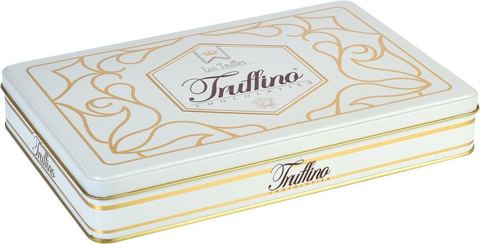
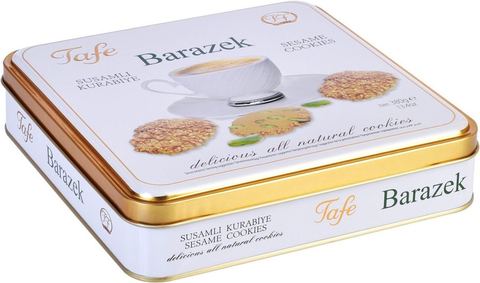
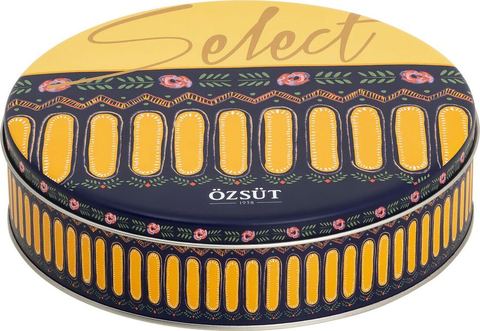
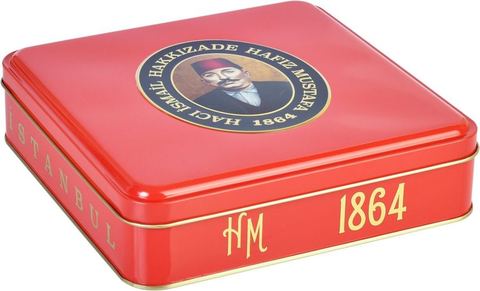
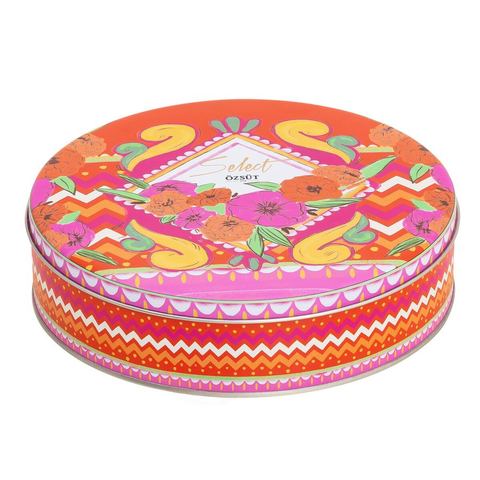
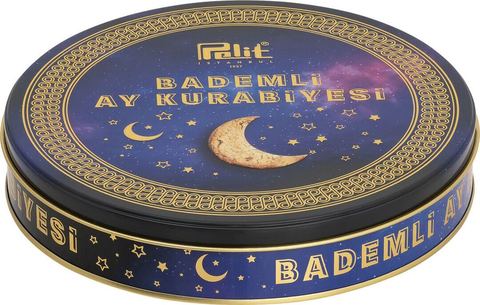
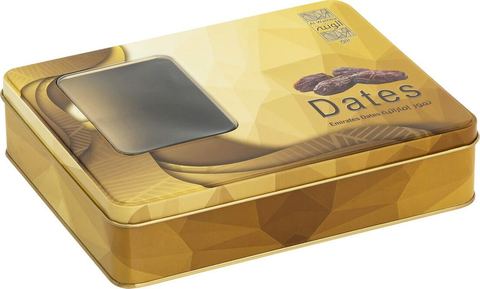
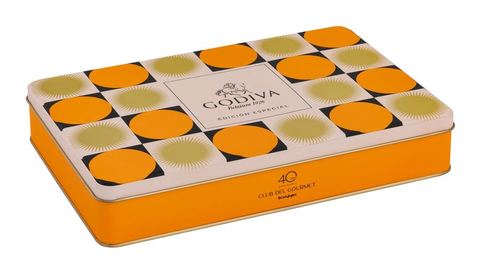
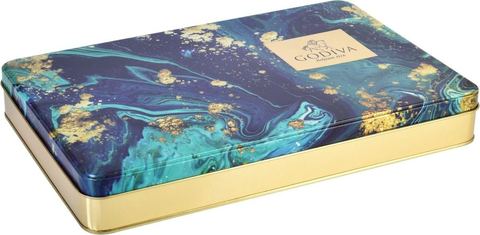
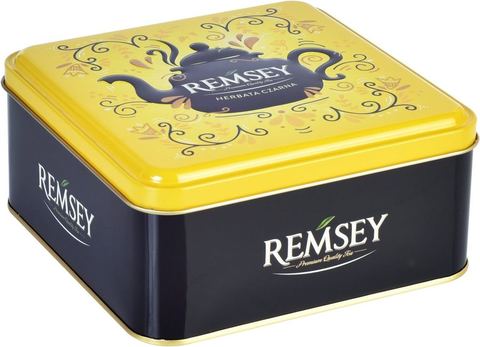
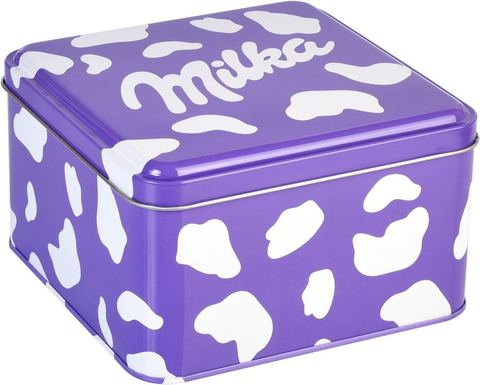
A few of the decorative tins we have designed, printed and formed in-house.

Trusted by brands that ship worldwide








Discuss your can format
Free samples worldwide · we reply within hours · your shape, your artwork.
Frequently asked questions
What products are custom tin cans best suited for?
Tall round cans are commonly used for ground coffee, loose-leaf tea, and spirits or specialty cans built around a bottle shape. The format works well for products that are opened and reclosed repeatedly over time.
What's the difference between a tin can and a tin box in production?
A can body is formed as a single wrapped, seamed cylinder, while a box is built from folded panels with corner seams. This changes how artwork is registered around the can and how the lid seats onto a round rim rather than a rectangular one.
Which lid types work with round cans?
Crystal (clear), domed, slip-on, inner-plug and screw lids are all used on cylindrical cans. Crystal lids suit products where visibility matters, inner-plug lids give the firmest everyday reseal and are the usual choice for coffee and tea, screw lids close tighter than a push fit, and domed lids add distinct shelf presence. No metal lid is a hermetic seal; where a true barrier is needed, it comes from a sealed inner pouch.
Can sizes be built around a specific product fill weight?
Yes. In-house tooling allows cans to be dimensioned to a specific target fill weight or bottle size rather than choosing from a limited set of existing diameters and heights. New tooling adds about eight weeks before production, and the mould stays at our factory as Masaş property — the printed artwork is exclusive to the customer, the shape is not.
Are the same print finishes available on cans as on tin boxes?
Yes. Offset printing, Pantone colour matching, varnish finishes, spot-UV, embossing and metallic or pearlescent inks are all available on cylindrical cans, adapted for the curved seamed surface.
Discuss your can format
Tell us your product, fill weight and preferred lid type, and we'll advise on the right can dimensions and finish.