
Custom Shape Tins & Trays
Most tin suppliers sell you a shape they already own. When the brief calls for a silhouette nobody else has — a hexagon, a dome, a book, a heart, a shape traced from the product itself — that shape has to be engineered and tooled before a single tin exists. Masaş has been cutting its own dies since 1979, which is why a custom shape here is a production decision rather than a special favour.
This page covers shape work in the widest sense: tins formed on dedicated tooling, deep-drawn bodies, contoured lids, and flat promotional trays. Design, tooling, offset printing and forming all happen under one roof in İstanbul, so the shape you approve on paper is the shape that comes off the line.
Masaş has manufactured decorative tinplate packaging in İstanbul since 1979 and exports to more than 50 countries. Design, tooling, offset printing, forming and food-safe lacquering are all done in our own plant. We hold moulds rather than finished printed stock, so every printed tin is formed and printed to your order. The figures below apply to anything on this page.
- Moulds we hold
- 141
- Lead time
- 4–6 weeks
- Certification
- ISO 9001 · ISO 22000
What a custom shape actually involves
A shaped tin starts as a technical drawing, not a sketch. The outline has to hold its geometry once the metal is formed, the lid has to seat and reopen cleanly, and the flat printed sheet has to be laid out so the artwork lands correctly after forming — a distortion problem that catches out anyone printing before they have solved the shape. We work through those three questions together, then cut the die. Tooling is a one-off investment: once the die exists — held here at our own factory — every repeat order runs from it without a new tooling charge.
Die-formed and deep-drawn tins
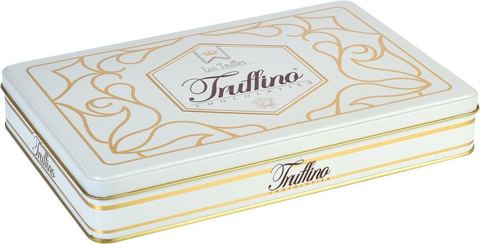
Two different processes cover most bespoke work. Die-forming stamps a body and lid from printed sheet and suits square, rectangular, hexagonal, oval and irregular outlines with defined corners. Deep drawing pulls the metal into a seamless single-piece body, which gives smooth curves and rounded corners with no side seam — the right choice for mint tins, shallow dessert formats and anything that should feel like one continuous object. Which one fits depends on depth, wall angle and how sharp the corners need to be.
Promotional metal trays
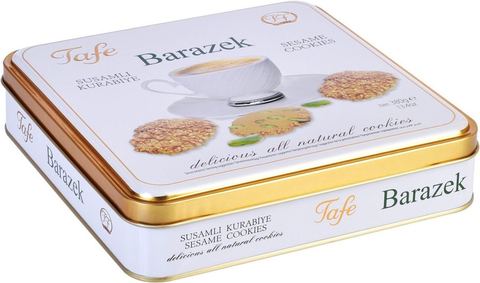
A tray is a shape problem with different constraints: shallow walls, a large uninterrupted print area, and a rim that has to be safe to handle and rigid enough not to flex when carried. Printed trays work hard as promotional pieces precisely because the surface is almost entirely artwork — brewery and beverage trays, confectionery presentation trays, retail display trays and hospitality serving pieces. We produce them on the same tooling and printing line as our tins, in custom outlines as well as standard rounds and rectangles.
Print that survives the forming process
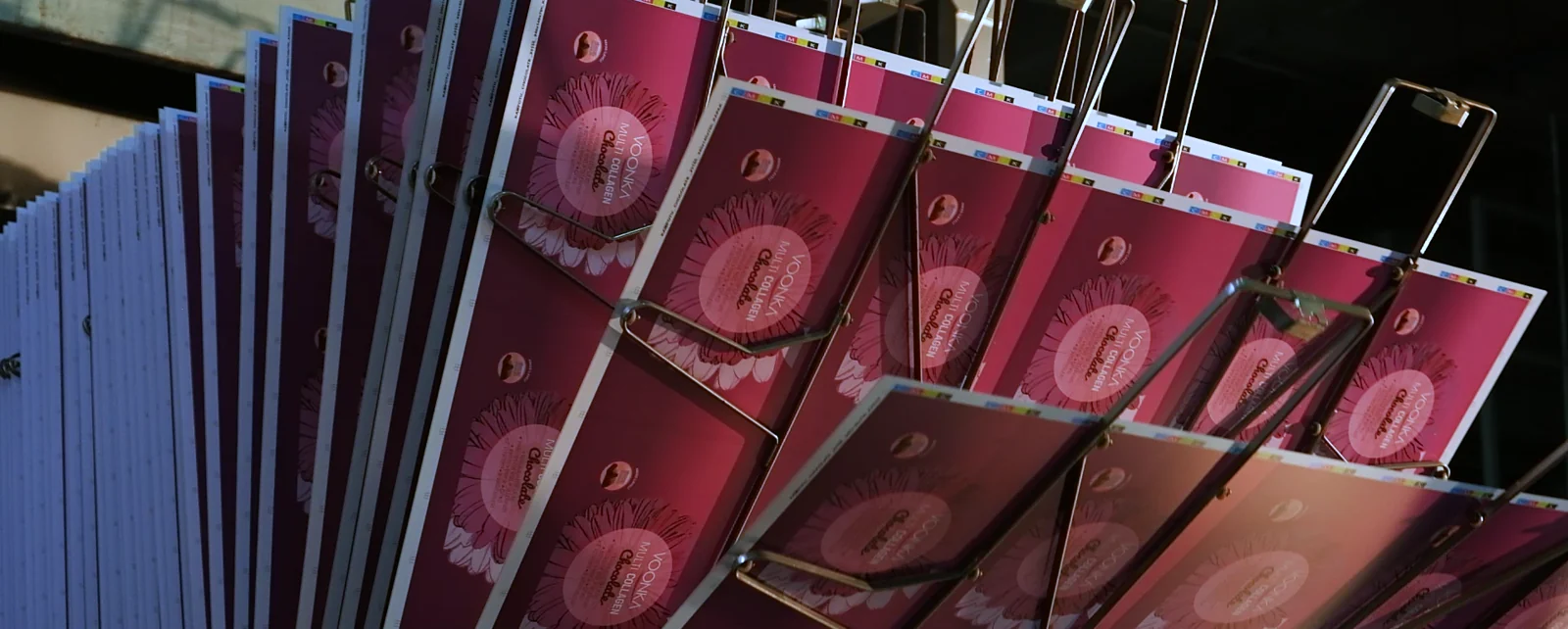
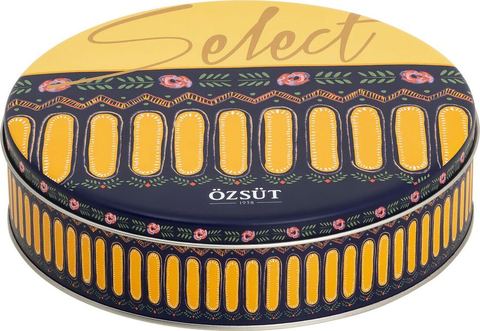
Offset printing happens on the flat sheet before forming, so every curve and draw pulls the image with it. Getting a shaped tin to look right means compensating for that movement in prepress — stretching, offsetting and proofing artwork so logos stay proportional and text stays level once the metal has moved. Our prepress and printing sit in the same building as the presses and forming lines, which is what makes that iteration fast enough to be practical rather than a series of expensive guesses.
Tooling cost, lead time and what to send us
Bespoke tooling is a separate one-time charge from the tins themselves. What it buys is the making of the die, not the die: the mould remains Masaş property, stays in our İstanbul factory and does not move, ready for your repeat runs. Your artwork is exclusive to you; the shape is not, and the same mould may later run for another customer. Lead times for a first shaped order are longer than for a shape we already tool, because the die has to be cut and trialled before production printing begins — allow roughly eight weeks for tooling plus four to six weeks of production, so twelve to fourteen weeks in total. To quote accurately we need three things: the outline you have in mind (a drawing, a photo, or a physical sample), the internal volume or product it has to hold, and the quantity per run. From there we come back with the tooling cost, the unit price and a realistic schedule.
Real tins from our factory
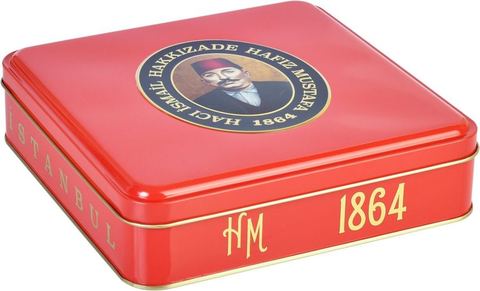
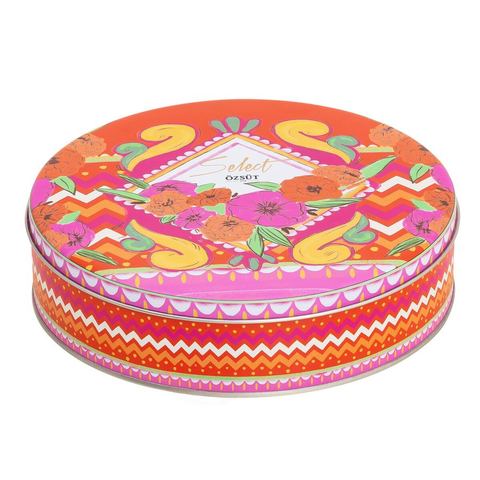
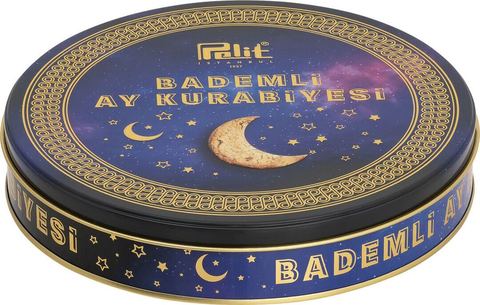
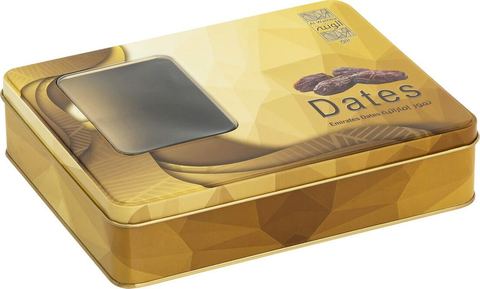
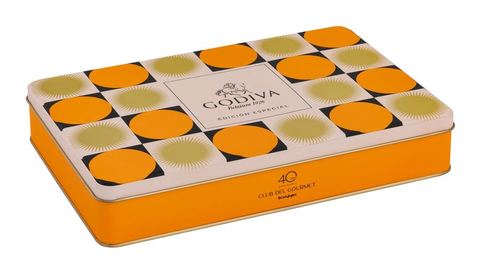
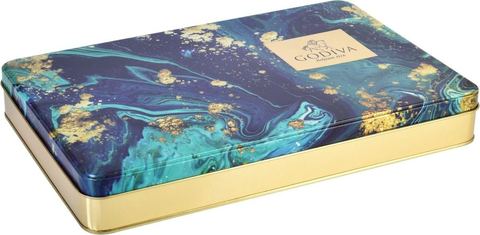
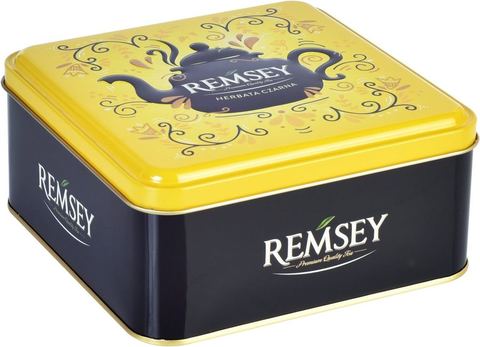
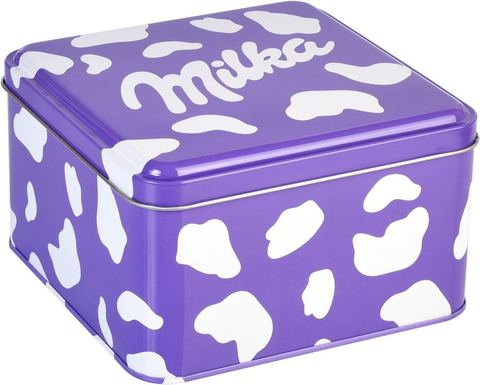
A few of the decorative tins we have designed, printed and formed in-house.

Trusted by brands that ship worldwide




Have a shape in mind?
Free samples worldwide · we reply within hours · your shape, your artwork.
Frequently asked questions
Can you make a tin in a shape that does not exist yet?
Yes — that is what bespoke tooling is for. We cut a dedicated die to your outline, trial it, then run production from it. Send a drawing, a photograph or a physical sample and we will tell you whether the geometry is formable before you commit.
What does custom tooling cost?
Tooling is quoted separately from the tins and depends on the complexity of the outline and the forming method. It is a one-time cost — once the die exists, repeat orders run from it with no further tooling charge.
How long does a first custom shape order take?
Longer than a shape we already tool, because the die is cut and trialled before production printing starts — allow roughly eight weeks for tooling, then four to six weeks of production, so twelve to fourteen weeks in total. On a mould we already hold, printed runs follow our normal schedule of roughly four to six weeks after artwork approval.
What is the difference between a die-formed and a deep-drawn tin?
Die-forming stamps a body and lid from printed sheet and handles defined corners and irregular outlines. Deep drawing pulls the metal into a seamless one-piece body with smooth curves and no side seam. Depth, wall angle and corner sharpness decide which one your shape needs.
Do you produce printed metal trays as well as tins?
Yes. Trays run on the same tooling and offset printing line — custom outlines as well as standard rounds and rectangles, for promotional, presentation, retail display and hospitality use.
Will my artwork distort on a shaped tin?
It will move, and that is planned for. Printing happens flat before forming, so prepress compensates for how the metal stretches, and we proof the result before production so logos stay proportional and text stays level.
Have a shape in mind?
Send us a drawing, a photo or a sample. We will tell you whether it can be formed, what the tooling costs and how long it takes.