
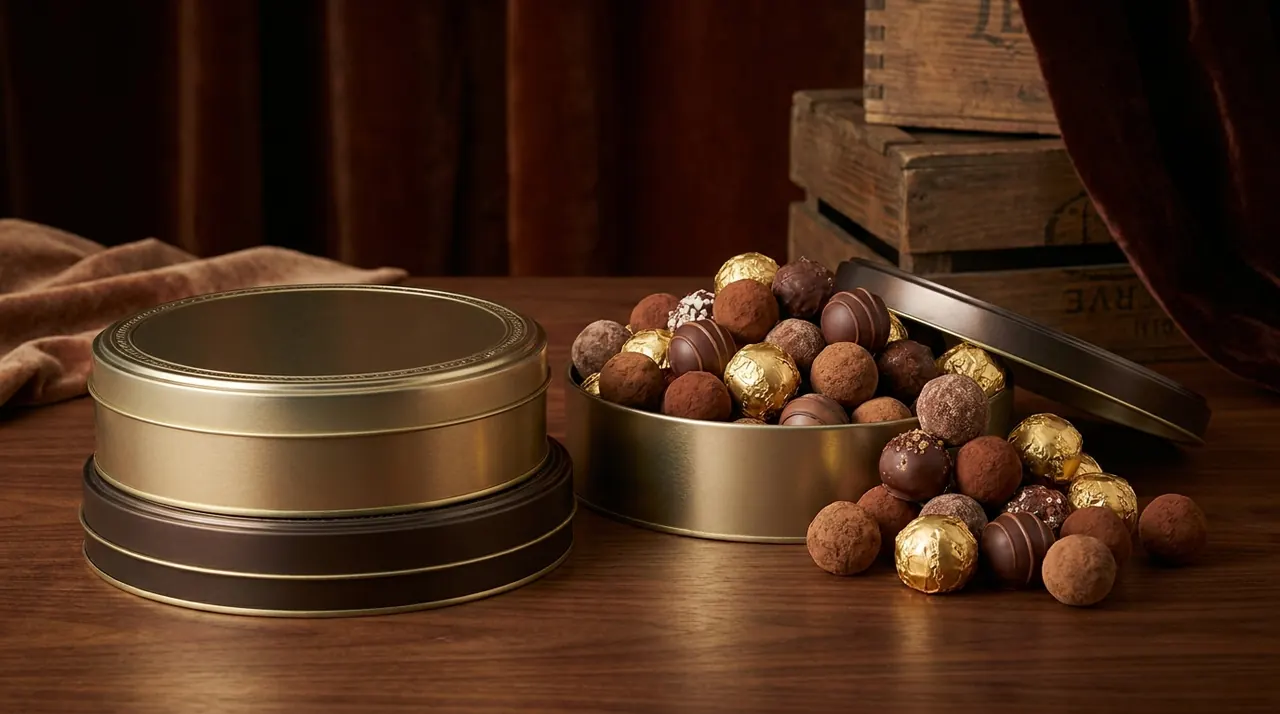
Food Safe Tin Packaging
Food-grade interior lacquer matched to the product, and the tin stays in the kitchen after the last bite.
When a product touches food, the packaging around it has to do more than look good — it has to protect what is inside without compromising it. Masaş has manufactured food safe tin packaging in İstanbul since 1979, applying food-grade interior lacquer to every tin destined for direct contact with chocolate, tea, coffee, biscuits and confectionery. The result is metal packaging that brands can use with confidence, and that consumers open without a second thought.
Because food-contact requirements vary by product, market and ingredient, food-contact suitability at Masaş is confirmed per project against the applicable regulations, rather than assumed from a generic spec sheet. Our in-house design, tooling, offset printing and metal forming sit under one roof, which means the lacquer system, the shape and the print can all be engineered together from the first drawing rather than bolted on at the end.
Masaş has manufactured decorative tinplate packaging in İstanbul since 1979 and exports to more than 50 countries. Design, tooling, offset printing, forming and food-safe lacquering are all done in our own plant. We hold moulds rather than finished printed stock, so every printed tin is formed and printed to your order. The figures below apply to anything on this page.
- Moulds we hold
- 141
- Lead time
- 4–6 weeks
- Certification
- ISO 9001 · ISO 22000
What makes a tin food safe
A tin becomes food safe through its interior, not its exterior. Underneath the decorative print and finish, the inner surface of the tinplate is coated with a food-grade lacquer engineered to sit between the metal and the product without transferring taste, odour or substances into it. This lacquer layer is what allows a decorative tin to also function as a direct-contact container for chocolate pieces, loose-leaf tea, roasted coffee or delicate biscuits. At Masaş, this interior treatment is planned alongside the exterior design from the outset, so the finished tin performs as intended for the specific product it will hold.
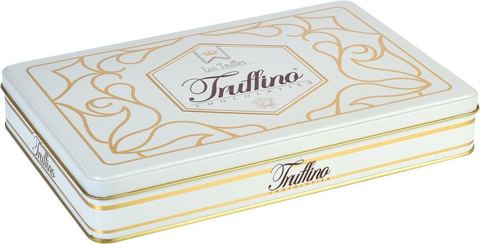
Confirmed per project, not assumed
Food-contact rules differ depending on the food category, the moisture and fat content of the product, and the destination market. Rather than issuing a blanket claim, Masaş confirms food-contact suitability per project against the applicable regulations for that specific product and market. This project-by-project approach means a tin built for dry biscuits and one built for oily confectionery can each receive the lacquer specification appropriate to what they will actually contain, giving brand owners a packaging partner who treats food safety as an engineering question, not a marketing line.
Why metal protects food better than paper or plastic
Tinplate offers a level of physical protection that carton and most plastics cannot match. It is impermeable to light, which safeguards light-sensitive products such as chocolate and tea from degradation. The metal itself is impermeable, although a decorative tin is not airtight at the lid, so the aroma of coffee and the crispness of biscuits are preserved by a sealed inner pouch or liner working inside the tin. And its rigidity resists crushing during shipping, stacking and handling — protecting delicate pieces of confectionery that a flexible pouch or thin carton would leave exposed. For food brands, this combination of light-blocking, barrier performance and structural strength is precisely why tin remains a preferred material for premium and sensitive products.
Built for chocolate, tea, coffee, biscuits and confectionery
Food safe tin packaging from Masaş is shaped around the product it carries. Round and square tins with slip-on or hinged lids suit boxed chocolates and pralines; rectangular formats hold loose-leaf tea and ground or whole-bean coffee; and biscuit tins are engineered with lid systems that seat cleanly and protect the contents from crushing between factory and shelf. A decorative tin is not airtight, so where aroma, moisture or oxygen have to be controlled the barrier is a sealed inner pouch or liner inside the tin, with the tin providing the structure, the light-blocking and the reseal around it. Every shape — round, square, rectangular, oval, heart or fully bespoke — can be paired with the food-grade interior needed for that category, while the exterior carries full Pantone offset print, embossing, spot-UV or metallic finishes for shelf presence.
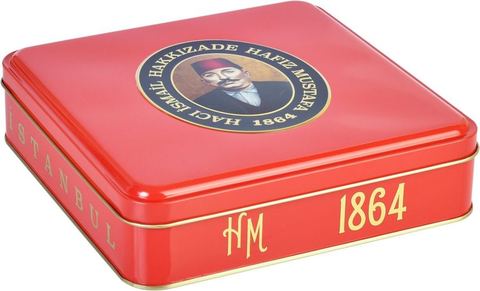
One roof, from lacquer to finished tin
Masaş brings design, tooling, offset printing and metal forming together under one roof in İstanbul, a structure that has supported exports to more than 50 countries since 1979. For food-contact packaging, this integration matters: the interior lacquer, the metal-forming tolerances and the exterior decoration are developed as one coordinated project rather than handed between separate suppliers. Custom runs typically range from 5,000 to 25,000 pieces per design and size — large tins near 5,000, small tins usually 20,000 to 25,000 — and a mould we already hold removes the tooling charge and around eight weeks of lead time without changing the print minimum. On sustainability the honest figure is this: steel is a permanent material, and 84% of steel packaging placed on the EU market was recycled in 2024 (Steel for Packaging Europe, EU harmonised method).
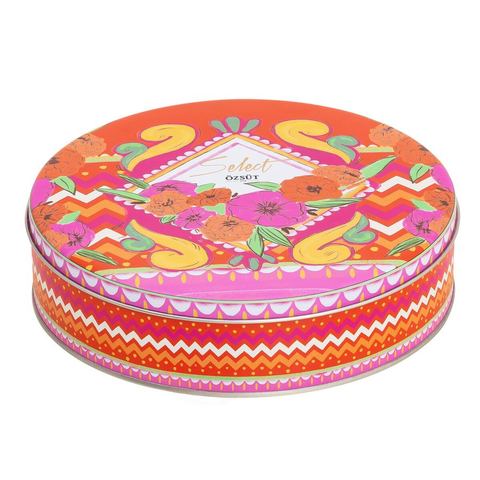
Real tins from our factory
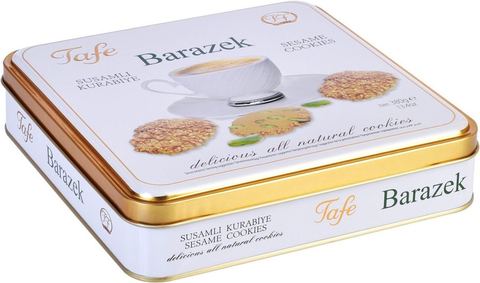
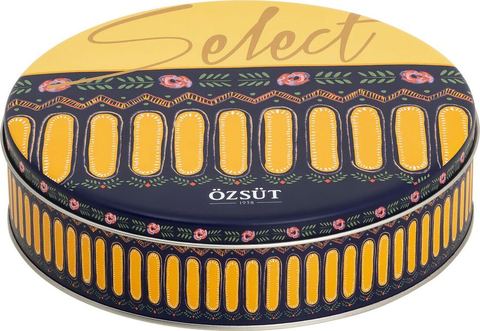
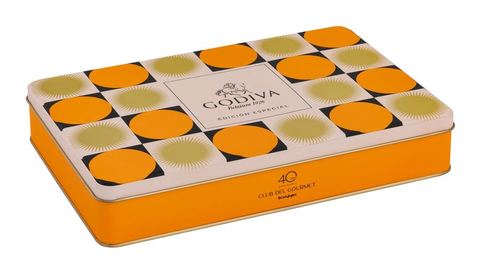
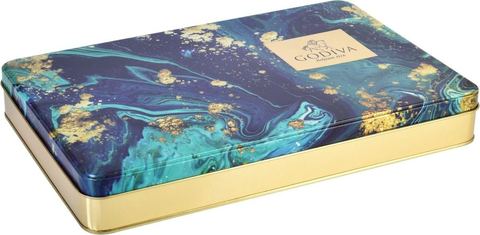
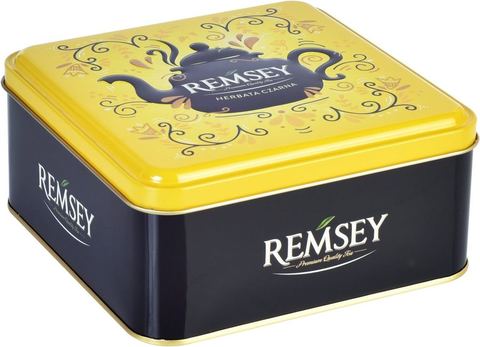
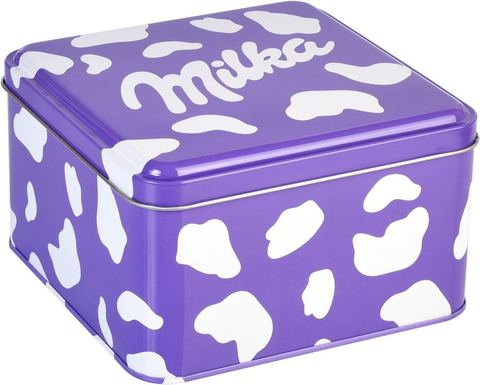
A few of the decorative tins we have designed, printed and formed in-house.
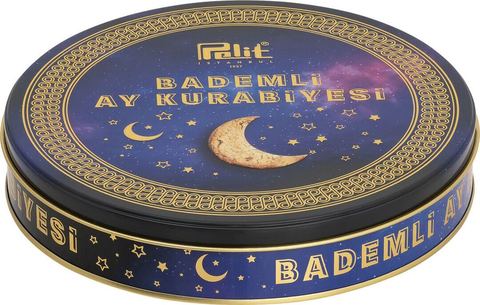
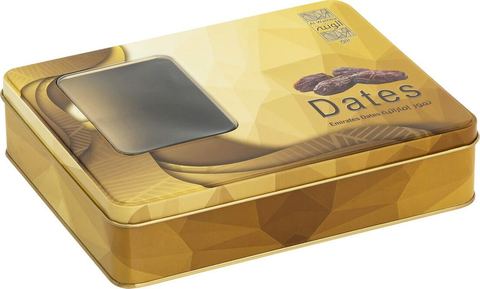

Trusted by brands that ship worldwide









Ready to package your product safely?
Free samples worldwide · we reply within hours · your shape, your artwork.
Frequently asked questions
Is tinplate packaging safe for direct food contact?
Tinplate can be made safe for direct food contact when the interior surface is treated with a food-grade lacquer suited to the specific product. At Masaş, food-contact suitability is confirmed per project against the applicable regulations for the food category and destination market, rather than treated as a fixed, one-size-fits-all guarantee.
Which products is food safe tin packaging suitable for?
It is widely used for chocolate and pralines, loose-leaf and bagged tea, roasted or ground coffee, biscuits and confectionery — products that benefit from tin's protection against light, crushing and handling damage. Where moisture or oxygen also have to be excluded, the barrier is a sealed inner pouch or liner inside the tin, since a decorative tin is not airtight.
Does the interior lacquer affect taste or aroma?
A properly specified food-grade lacquer is designed to create a neutral barrier between the metal and the food, helping preserve the product's intended taste and aroma rather than altering it.
Can food safe tins still be fully custom in shape and print?
Yes. The food-grade interior is independent of the exterior design, so round, square, rectangular, oval, heart or bespoke shapes can all be produced with a food-contact lacquer while carrying full Pantone offset print, embossing, spot-UV or metallic finishes on the outside.
What is the minimum order quantity for food-grade tins?
Custom-designed runs typically start between 5,000 and 25,000 pieces per design and size — large tins near 5,000, small tins usually 20,000 to 25,000, because many more small tins come off one sheet of tinplate. Ordering on a mould we already hold removes the tooling charge and around eight weeks of lead time, but not the print minimum; only plain, unprinted tins are sold in smaller quantities.
Ready to package your product safely?
Tell us what your tin needs to hold, and we will confirm the right food-grade interior and shape for it.