
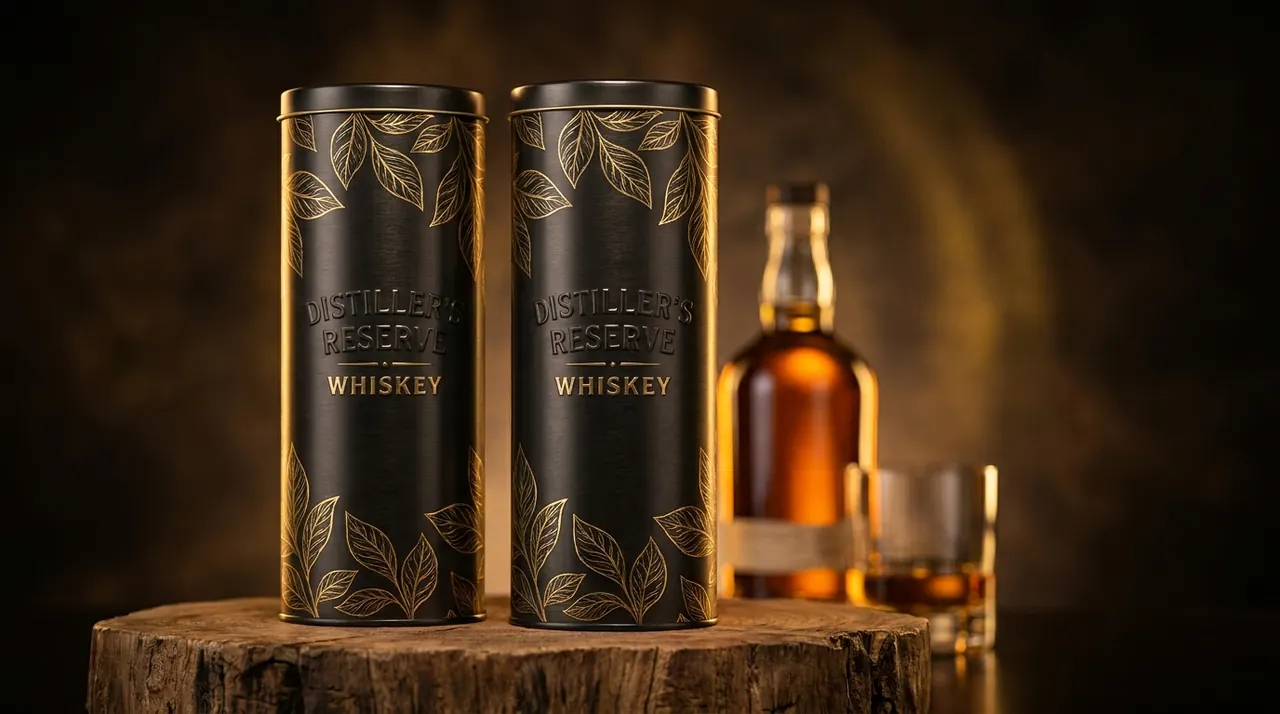
Embossed Tin Boxes
Embossing changes the metal itself, not just the print, so the customer feels it and keeps the tin.
Some packaging decisions are made with the eyes, and some are made with the hands. Embossed tin boxes work on both levels — a raised or recessed pattern that catches light differently across the surface, and that a customer feels the moment they pick the box up. Masaş has produced embossed and debossed tinplate packaging in-house since 1979, using its own tooling to raise or press logos, patterns and textures directly into the metal before it is formed into the finished box.
Because embossing is a forming process rather than a printed effect, it changes the physical surface of the tin permanently — which is precisely why it reads as premium. Paired with the right print, inks and varnish, an embossed tin box signals a level of craftsmanship that flat print alone cannot convey.
Masaş has manufactured decorative tinplate packaging in İstanbul since 1979 and exports to more than 50 countries. Design, tooling, offset printing, forming and food-safe lacquering are all done in our own plant. We hold moulds rather than finished printed stock, so every printed tin is formed and printed to your order. The figures below apply to anything on this page.
- Moulds we hold
- 141
- Lead time
- 4–6 weeks
- Certification
- ISO 9001 · ISO 22000
What embossing and debossing actually do
Embossing raises a design above the surface of the metal, while debossing presses it inward, creating a recessed impression. Both techniques are applied to the tinplate using dedicated tooling, shaping the metal itself rather than adding ink or material on top of it. The result is a design element with genuine depth and shadow, which shifts subtly as light hits it from different angles — a texture-based effect that flat printing cannot reproduce, however sharp the artwork.
The tactile premium effect
The appeal of an embossed tin box goes beyond how it looks in a photograph. Running a finger across a raised logo, or feeling a debossed pattern sink slightly under the thumb, creates a moment of physical engagement with the packaging before the box is even opened. That tactile signal is strongly associated with quality and craftsmanship, which is why embossing is used so consistently across gift, spirits and premium confectionery packaging — categories where the unboxing experience itself is part of the product's value.
How it is produced in-house
Because Masaş controls tooling, design and metal forming under one roof, embossing and debossing patterns are engineered as part of the box's structural design from the start, not added as an afterthought. Custom tooling is built to the brand's specific pattern, logo or texture, and the embossed detail is then integrated with the forming process that shapes the tin into its final round, square, rectangular, oval, heart or bespoke silhouette. This in-house control keeps the depth and placement of the embossing consistent across a full production run.
Pairing embossing with print, inks and varnish
Embossed tin boxes are rarely left as bare metal texture alone. The technique is most effective when combined with other finishes: Pantone offset print can run alongside or directly onto embossed areas, metallic or pearlescent inks can highlight a raised pattern, and spot-UV or matte, gloss and soft-touch varnishes can create additional contrast between smooth and textured zones on the same surface. This layering of finishes — texture plus print plus coating — is what gives an embossed tin its full sense of dimension and premium feel. Gold and silver effects are produced as metallic inks in the offset process rather than as applied foil, which Masaş does not use.
Best use-cases: gift, spirits and confectionery
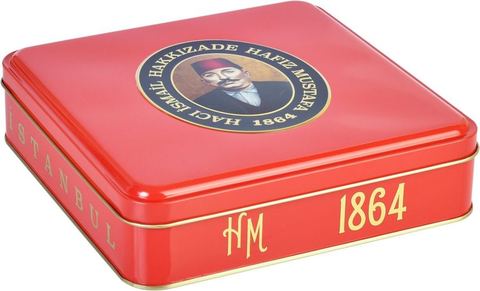
Embossing suits categories where the box itself contributes to the perceived value of what is inside. Gift tins benefit from an embossed monogram or pattern that elevates a simple container into something worth keeping. Spirits packaging often uses deep embossing around a brand crest or bottle silhouette to convey heritage and craftsmanship. Confectionery and chocolate tins use finer embossed detailing — a repeating pattern, a brand mark, a decorative border — to reinforce indulgence and quality at the point of purchase. Across all three, embossing turns a functional container into a piece of design the customer wants to display.
Real tins from our factory
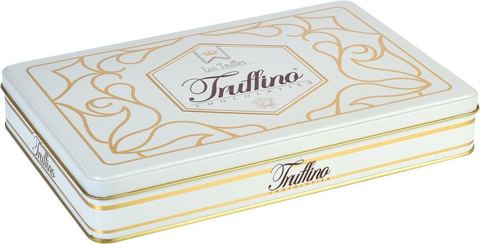
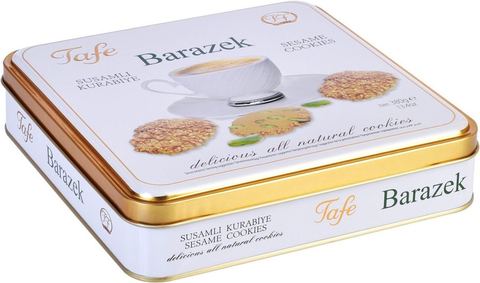
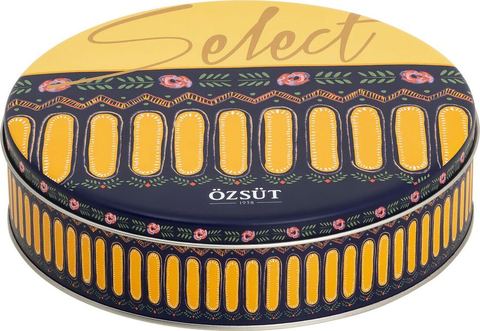
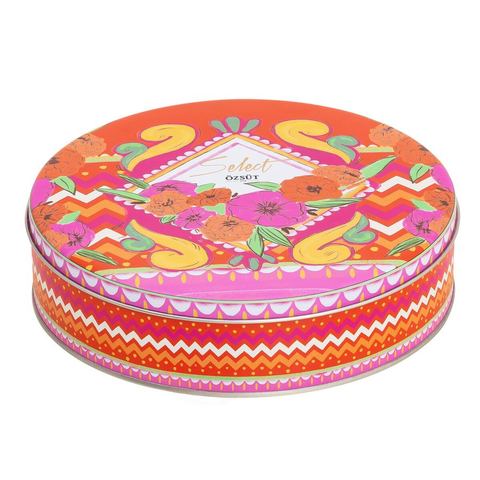
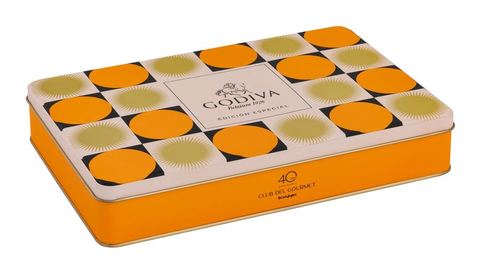
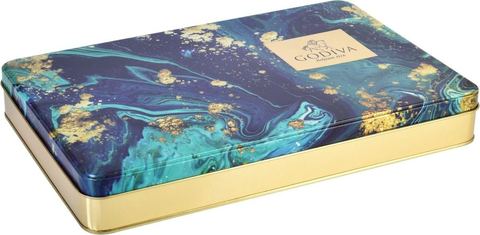
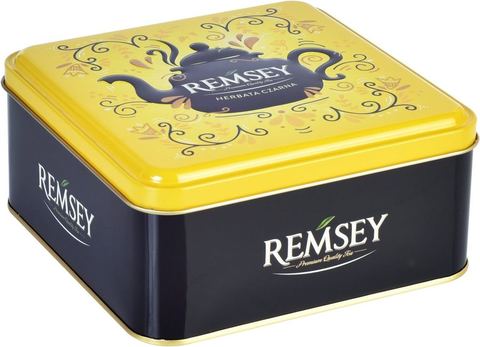
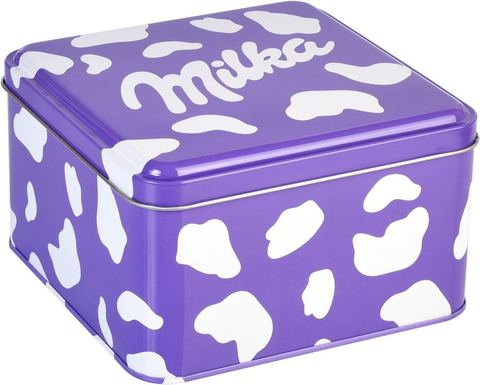
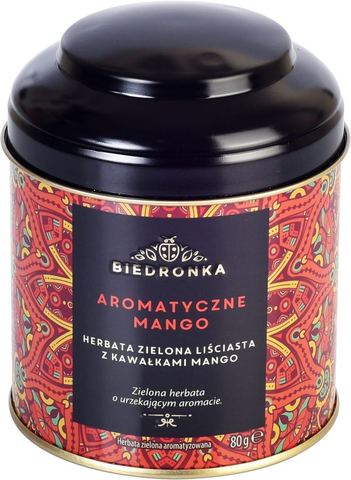
A few of the decorative tins we have designed, printed and formed in-house.
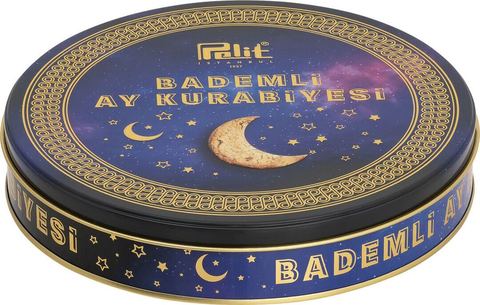
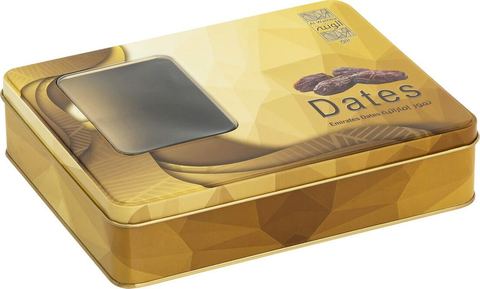
Trusted by brands that ship worldwide









Want your brand to feel as good as it looks?
Free samples worldwide · we reply within hours · your shape, your artwork.
Frequently asked questions
What is the difference between embossing and debossing?
Embossing raises a design above the surface of the tinplate, while debossing presses it inward to create a recessed impression. Both are formed directly into the metal using dedicated tooling.
Does embossing work with printed designs?
Yes. Embossed or debossed areas are commonly combined with Pantone offset print, metallic or pearlescent inks, and spot-UV or varnish finishes to build layered, dimensional designs on the same tin.
Is embossing available on all tin shapes?
Embossing can be applied across round, square, rectangular, oval, heart and fully bespoke tin shapes, since the pattern is engineered as part of the tooling used to form each shape.
What products suit embossed tin boxes best?
Embossed tins are especially effective for gift packaging, spirits and premium confectionery, where the tactile, high-craftsmanship feel of the box reinforces the perceived value of the product inside.
Is embossed tooling a large investment for smaller orders?
Embossing tooling is built specifically for each design, so it is generally planned around custom runs; Masaş can advise on the most efficient approach for a given order size, typically between 5,000 and 25,000 pieces per design.
Want your brand to feel as good as it looks?
Share your design and we will show you how embossing can bring it to life in metal.