
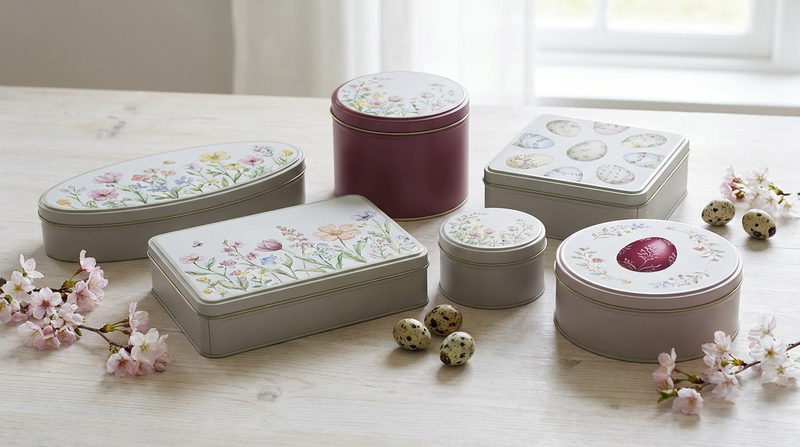
Easter tins
Three Easters, one set of moulds
Ready-made Easter designs for chocolate eggs, pralines and spring gift sets. Printed on moulds we already own — no tooling cost, no wait.
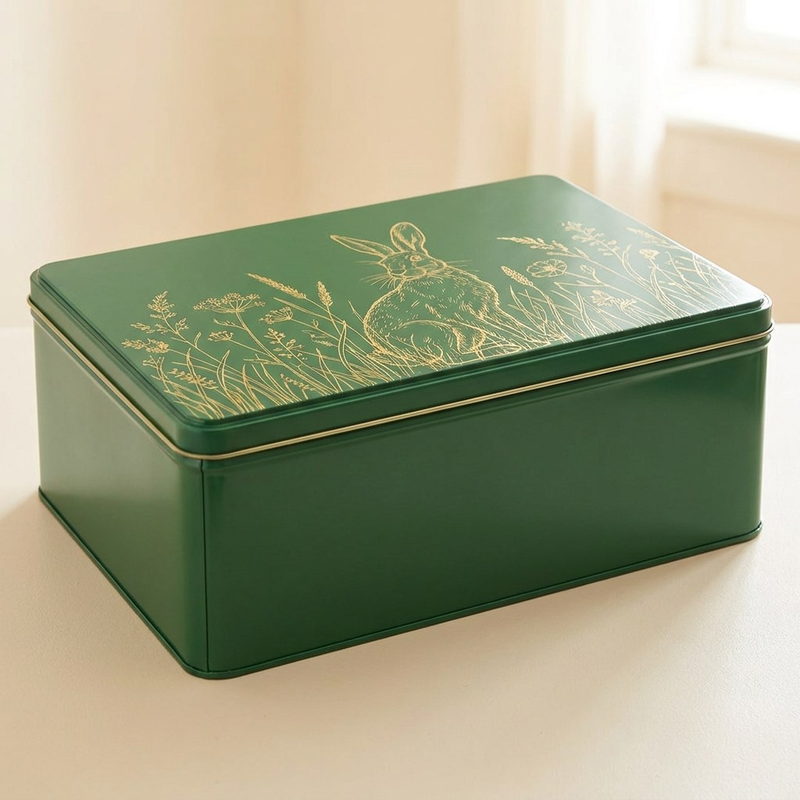
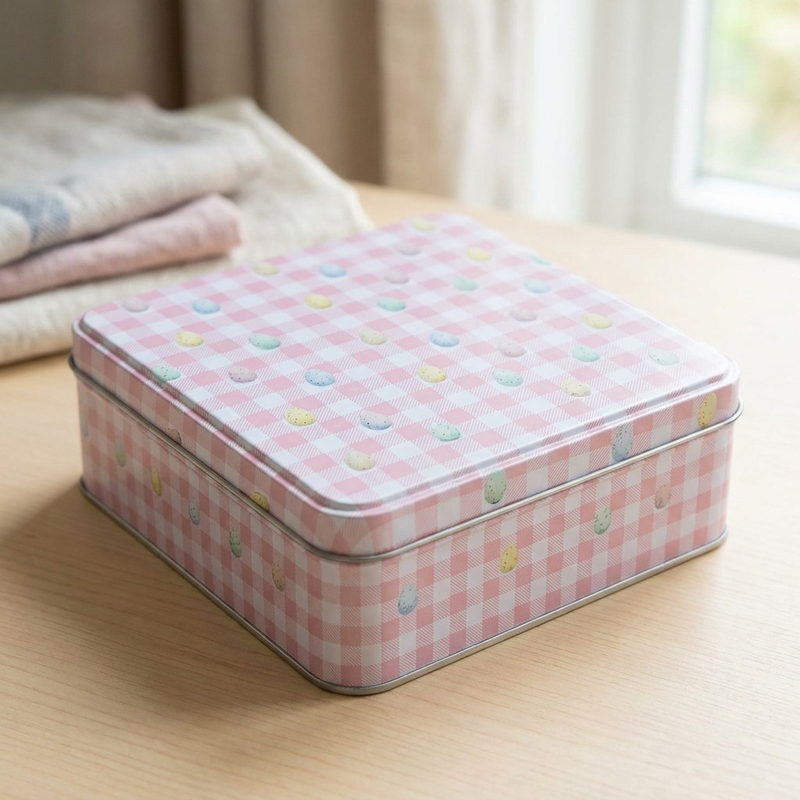
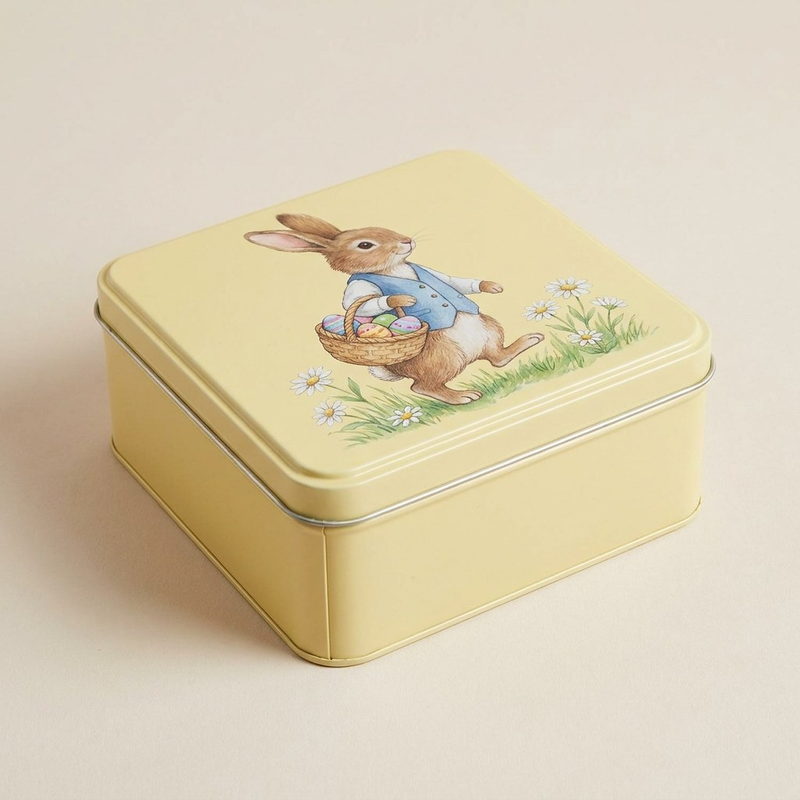
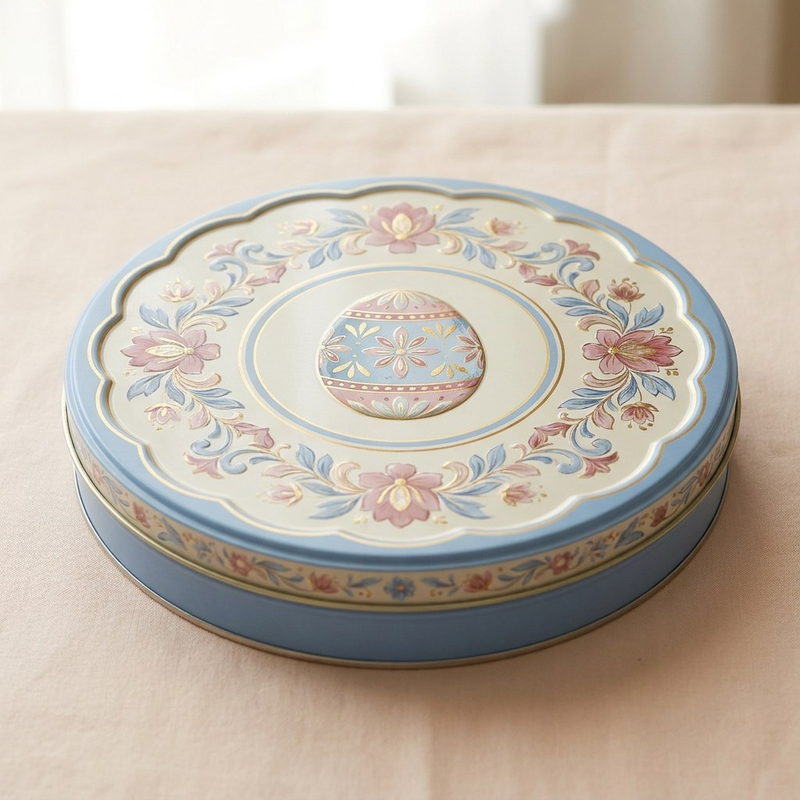
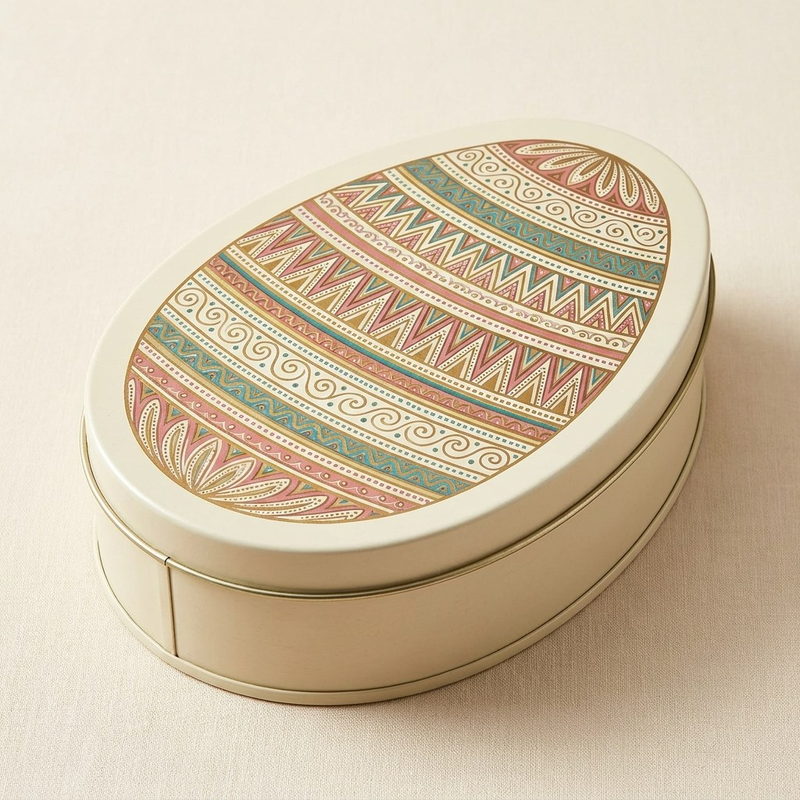
Easter is not one holiday with one look. A pastel hare is the article itself in Germany and the Netherlands; further east the red egg names the holiday rather than decorating it; and the wax-drawn egg is the holiday in Poland, Czechia, Hungary and Romania, where it needs no explaining. This range carries all three rather than pretending they are the same market, on twelve moulds Masaş already owns in Tuzla, İstanbul. Five of the twelve are repeating patterns that cover the whole tin; the other seven keep the artwork on the lid.
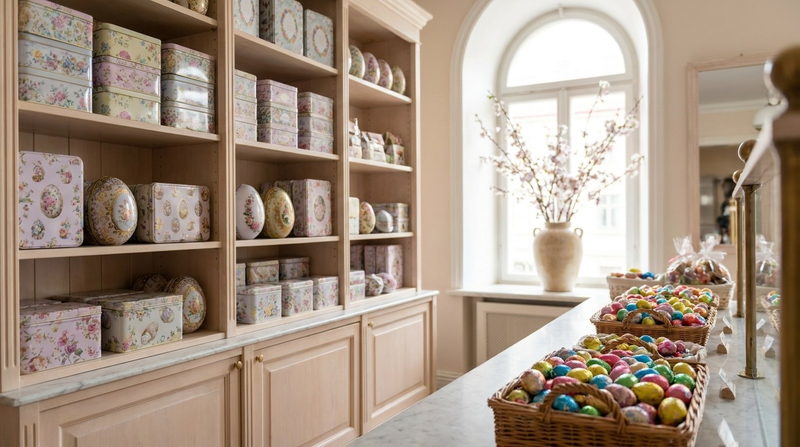
What you are looking at
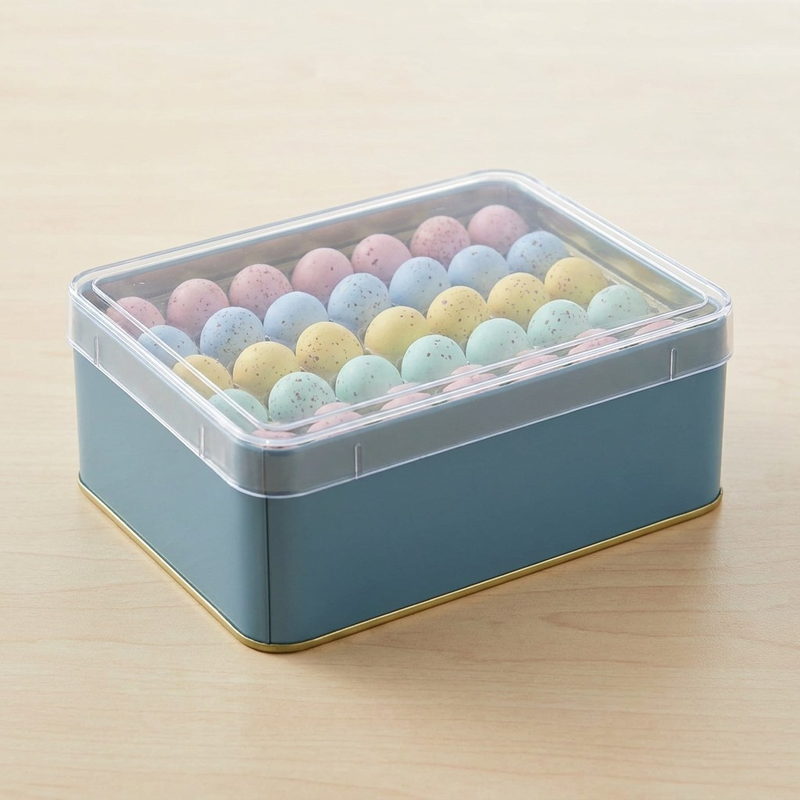
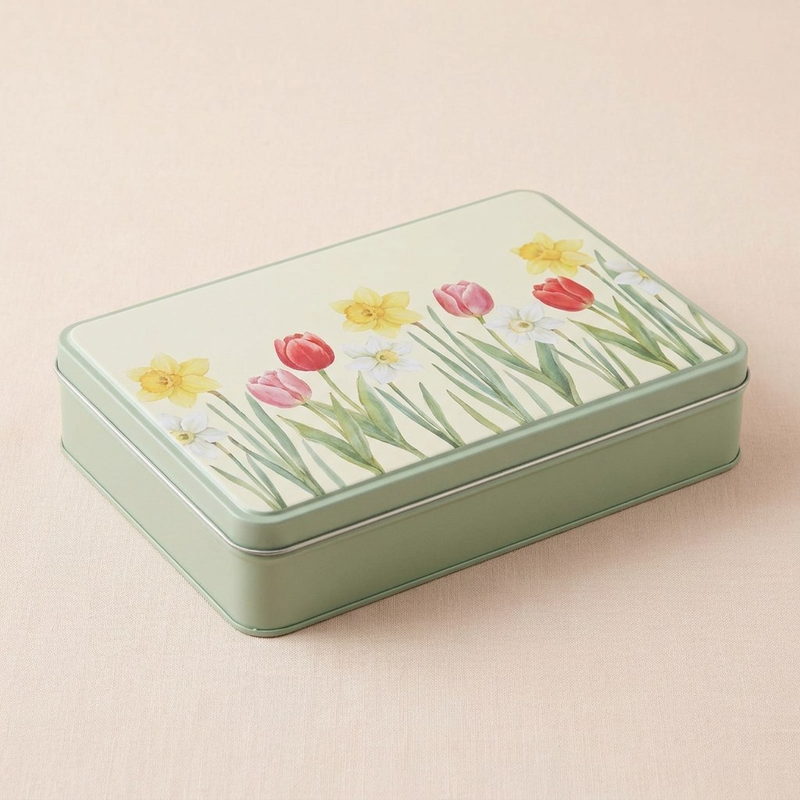
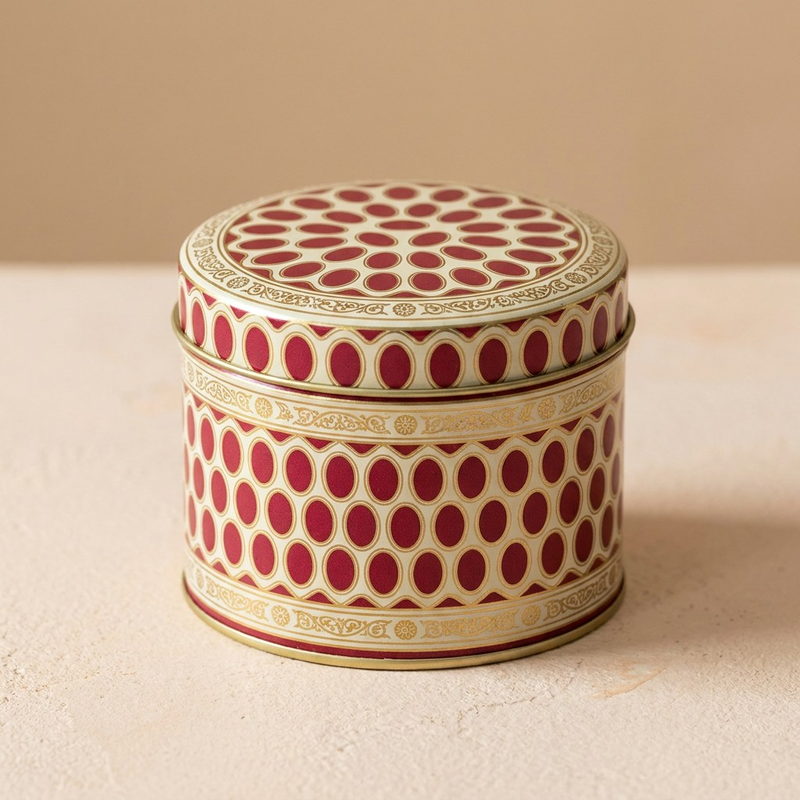
The designs on this page are ours — drawn in-house and shown here so you can see what the range looks like before committing to anything. Each one is ready to print on moulds we already own, and goes into production once there is an order behind it. That means no tooling cost and no wait for a new shape — only printing and forming.
Tins in this range
Our own designs, printed on our own moulds.
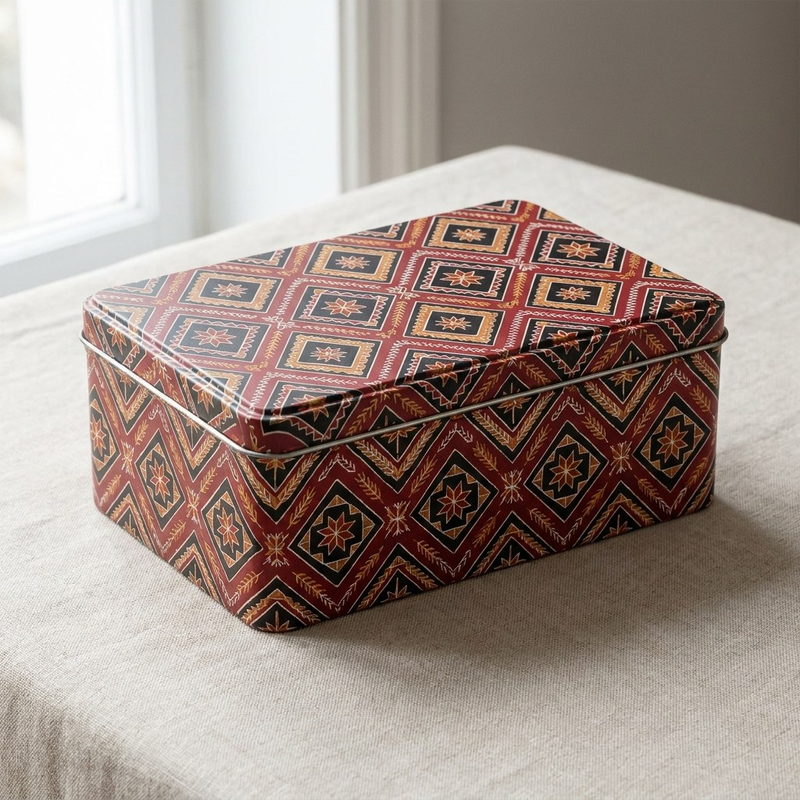
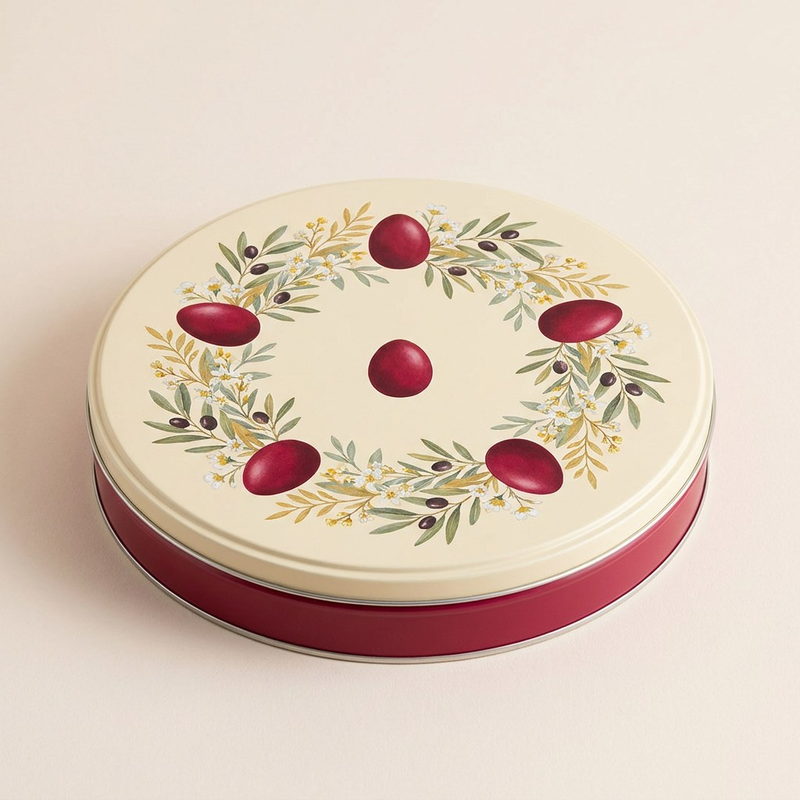
Ordering from this range
- Minimum order
- From 5,000 pieces per design
- Lead time
- 4–6 weeks from artwork approval
- Tooling
- None — these use moulds we already own
Because the mould already exists, a ready-made range skips the eight weeks and the tooling cost a new shape needs. What is left is printing and forming.
What this range is not
A ready-made design is not exclusive. Anyone can order the same tin, and some of them will be your competitors. If you need artwork nobody else can buy, that is a custom project — same moulds, your own design, and the exclusivity applies to the artwork, not to the shape.
How custom projects work →Frequently asked questions
Who is this range for?
Chocolate makers, confectioners, biscuit brands, supermarket and department store buyers, and gift-set assemblers. The minimum is 5,000 pieces per design, which makes this a wholesale range — a single shop buys these from a distributor, not from us.
When do we have to order?
Easter moves — it can fall anywhere from late March to late April, and the Orthodox date either coincides with it or falls up to five weeks later — never earlier — so the deadline shifts every year and shifts twice. Count backwards from the date in your market: roughly four to six weeks from artwork approval to despatch, plus your own filling and distribution time. A tin ordered in January is comfortable; one ordered in March is not.
Which designs suit which market?
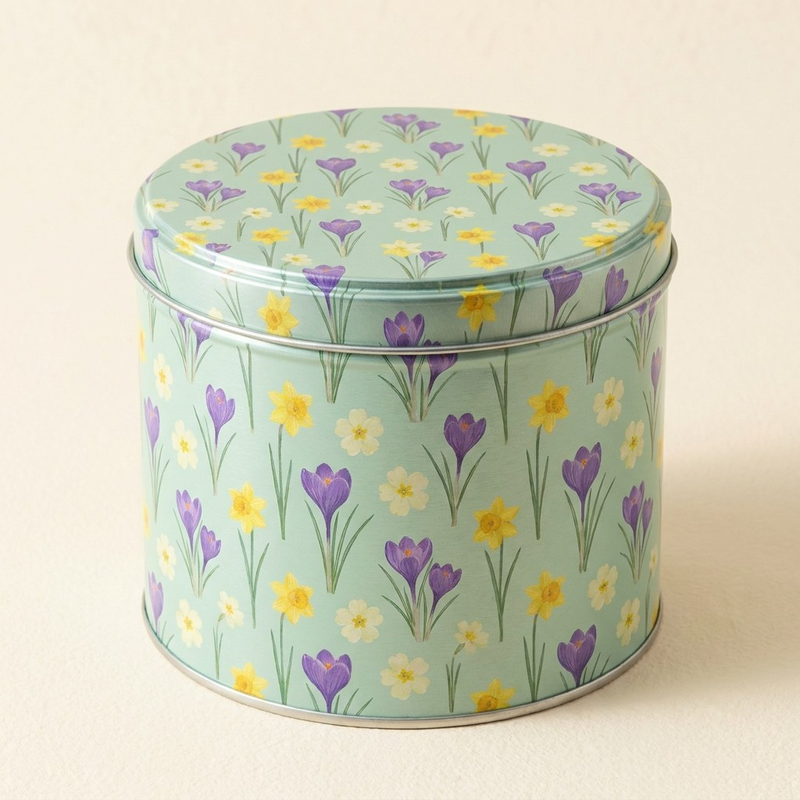
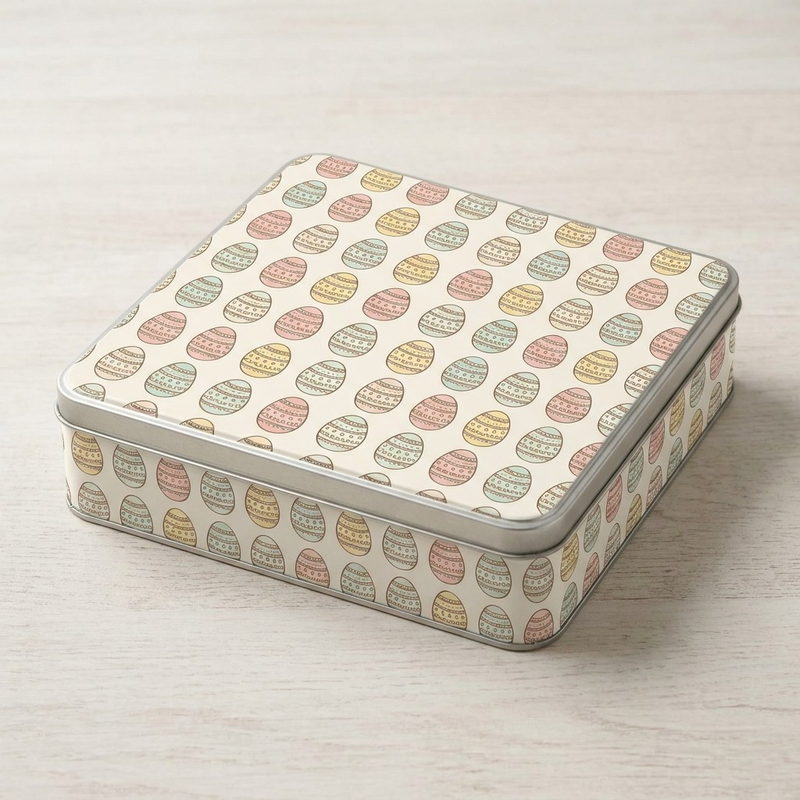
The pastel group — the hare, the rabbit with the basket, the gingham, the egg grid, the daffodil border, the painted plate — is the Western European set. The red egg and the egg garland are drawn for Greece, Romania, Bulgaria and Russia, where a red egg is the holiday’s own symbol rather than a decorative motif. The wax-drawn egg is for Poland, Czechia, Slovakia, Hungary and Romania — each has its own name for it (pisanki, kraslice, hímes tojás, încondeiate) and its own palette, and we set the plate to whichever market the order is for. If you are unsure, start with the spring meadow and the daffodil border — they say spring rather than Easter, so they cross markets and they keep selling into May.
Is there anything religious on these tins?
No cross, no icon, no liturgical scene anywhere in the range. Be clear about what that does and does not mean: the red egg is not a neutral decoration — in Orthodox practice it carries the Resurrection directly, which is exactly why it works in Greece, Romania and Russia. What the range avoids is the liturgical *image*, not the religious meaning. The reason is practical and every Orthodox buyer feels it without being told: an icon is a sacred object that cannot simply be thrown away, and a food tin ends in a bin. A sign can go on the lid; a holy image should not. That also keeps one plate sellable across secular, Catholic, Protestant and Orthodox shelves. If you want the greeting itself — Χριστός Ανέστη, Христос воскресе, Hristos a înviat — that is text, not an image, and it is a plate change on the same mould.
Which size holds chocolate eggs?
Start with what does not fit: a full-size hollow egg belongs in foil and film on a card base, not in metal, and no tin in this range or any other will take one. What these are for is small filled eggs, ovetti, pralines, speckled sugar-shell eggs and biscuits. Depth is then the constraint, not footprint. Ø127 × 110 mm and Ø99 × 90 mm are the two deep rounds — a generous loose fill, or small eggs standing rather than lying. 240 × 140 × 70 mm is the deep rectangle for a mixed assortment. The flat formats — 190 × 190 × 45, 190 × 135 × 45 and 160 × 160 × 50 mm — take a layer. Foil-wrapped eggs scratch each other in transit, so a divider is worth costing in.
Other ranges
Interested in this range?
Tell us which designs and roughly how many, and we will come back with sizes, prices and a date.
Start the conversation